Salad VS Roasted Potatoes
A detailed nutritional comparison
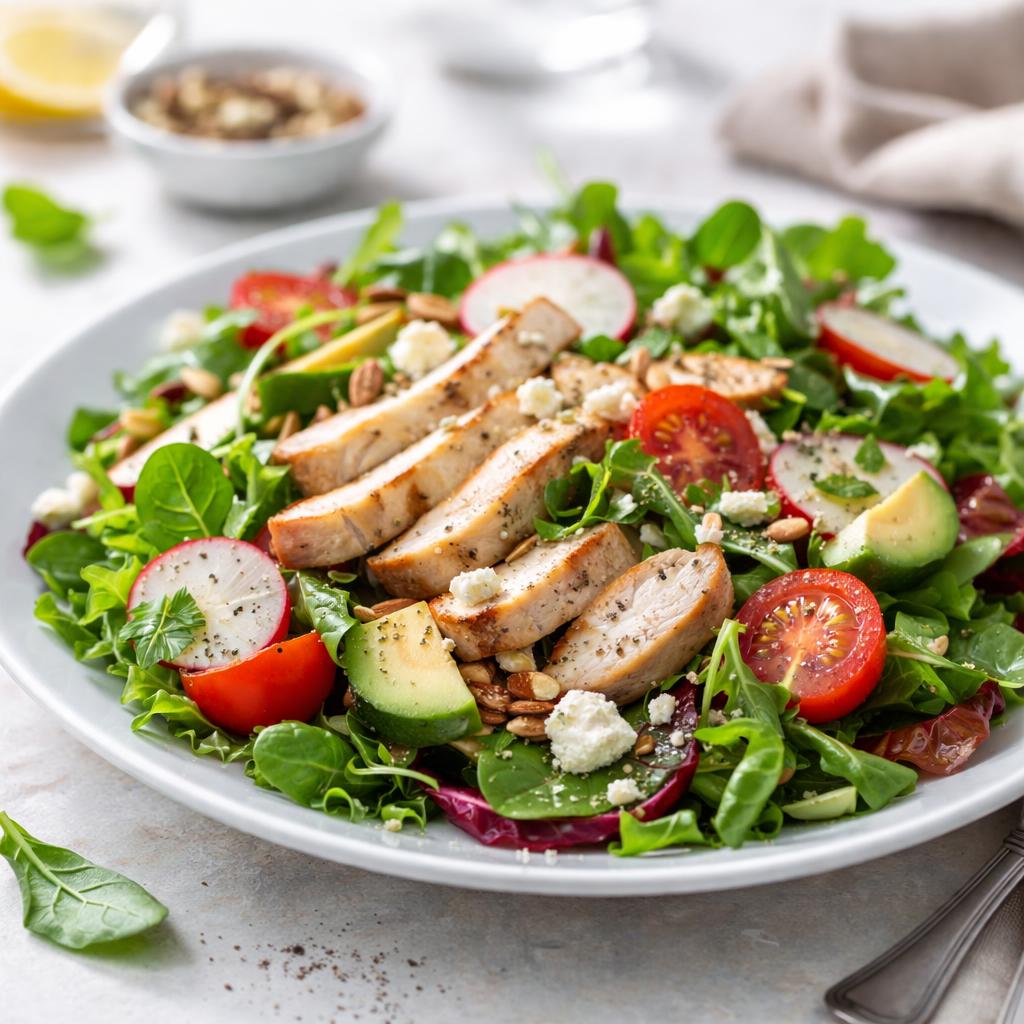
Salad
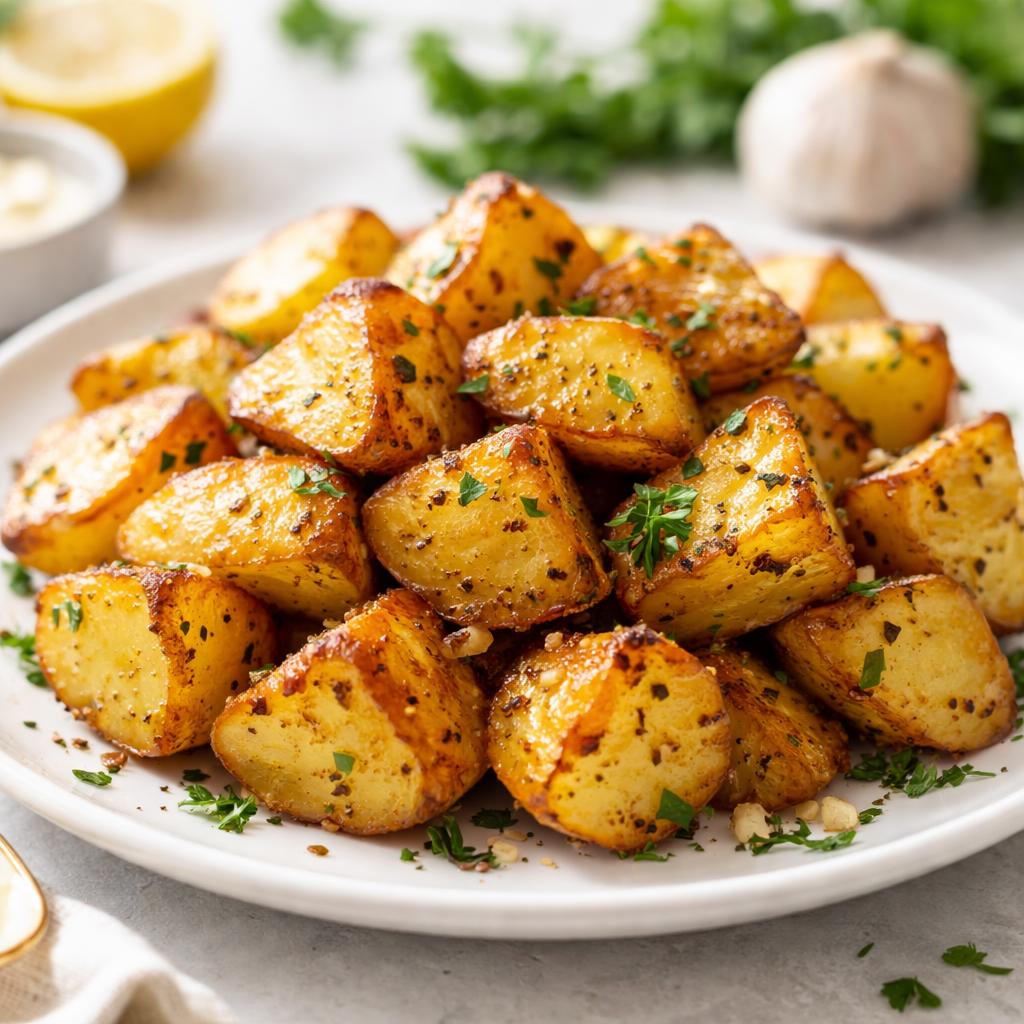
Roasted Potatoes
🎯 Quick Verdict
Salad is lower in calories and higher in fiber, making it ideal for weight control and digestion support. Roasted potatoes, while higher in calories, provide more energy due to their carbohydrate content and are best for active energy needs or post-exercise refueling. Both foods have unique benefits depending on dietary goals.

Smart Nutrition Tracking with SnapCalorie

📊 Nutritional Comparison
Macronutrients
| Nutrient | Food 1 | Food 2 | Winner |
|---|---|---|---|
| Calories | 50 per serving (1 cup) | 150 per serving (3.5 oz) | ✓ |
| Protein | 2g | 2g | − |
| Carbs | 8g | 30g | ✓ |
| Fat | 0.5g | 5g | ✓ |
| Fiber | 2g | 1.5g | ✓ |
Vitamins & Minerals
| Nutrient | Food 1 | Food 2 | Winner |
|---|---|---|---|
| Vitamin C | 20mg | 10mg | ✓ |
| Vitamin A | 1500 IU | 0 IU | ✓ |
| Potassium | 150mg | 450mg | ✓ |
🏆 Category Winners
Protein
Both foods provide 2g of protein per serving, making them equivalent in this category.
Fiber
Salad delivers more fiber at 2g per serving, aiding digestion and satiety.
Calories
Salad contains only 50 calories per serving, making it far lighter than roasted potatoes.
Vitamins
Salad is richer in vitamins like Vitamin C and Beta-carotene (Vitamin A).
🥗 Diet Compatibility
Keto
Food 1: Compatible
Food 2: Not Compatible
Salad is low-carb (8g per serving), while roasted potatoes are high-carb.
Vegan
Food 1: Compatible
Food 2: Compatible
Both foods are plant-based without animal products.
Gluten Free
Food 1: Compatible
Food 2: Compatible
Neither food contains gluten.
Paleo
Food 1: Compatible
Food 2: Compatible
Both foods align with paleo principles, especially if salad uses paleo-friendly dressings.
Low-Carb
Food 1: Compatible
Food 2: Not Compatible
Salad is low-carb (8g per serving) versus roasted potatoes with 30g carbs per serving.
💪 Health Benefits Comparison
Food 1 Benefits
- Low in calories, ideal for weight management
- High in fiber for improved digestion
- Rich in Vitamin A, supporting eye and skin health
- Good source of Vitamin C for immune health
Food 2 Benefits
- Provides sustained energy from complex carbohydrates
- High in potassium, aiding muscle function and electrolyte balance
- Contains antioxidants like Vitamin C
- Can promote satiety when paired with protein or healthy fats
✅ The Bottom Line
Choose salad if you want a light, nutrient-rich option suitable for weight management or low-carb diets. On the other hand, roasted potatoes are a good choice when you need energy for physical activity or recovery after workouts, thanks to their higher carbohydrate content.
Choose Food 1 for: Low-calorie meals, weight loss, nutrient-dense snacking
Choose Food 2 for: Active lifestyles, energy needs, post-workout recovery


