Salad VS Red Pepper
A detailed nutritional comparison
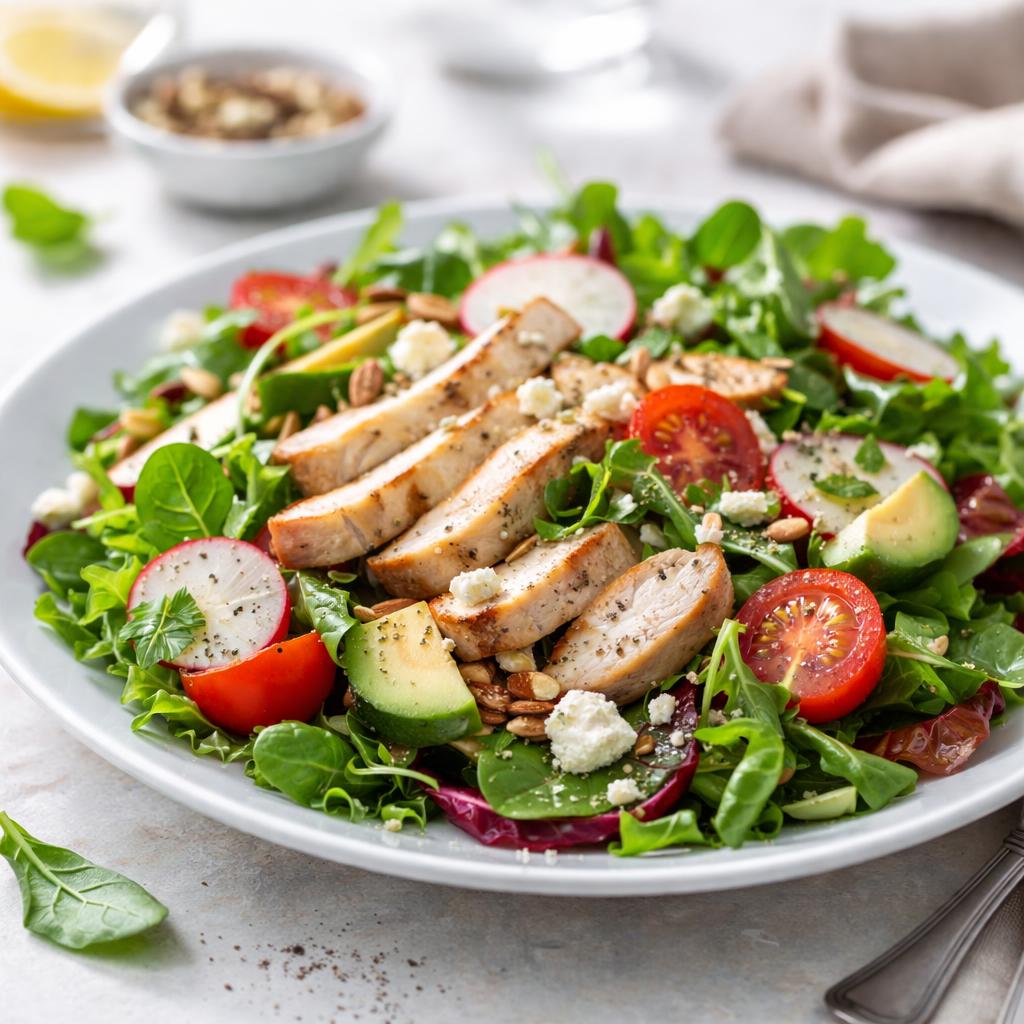
Salad
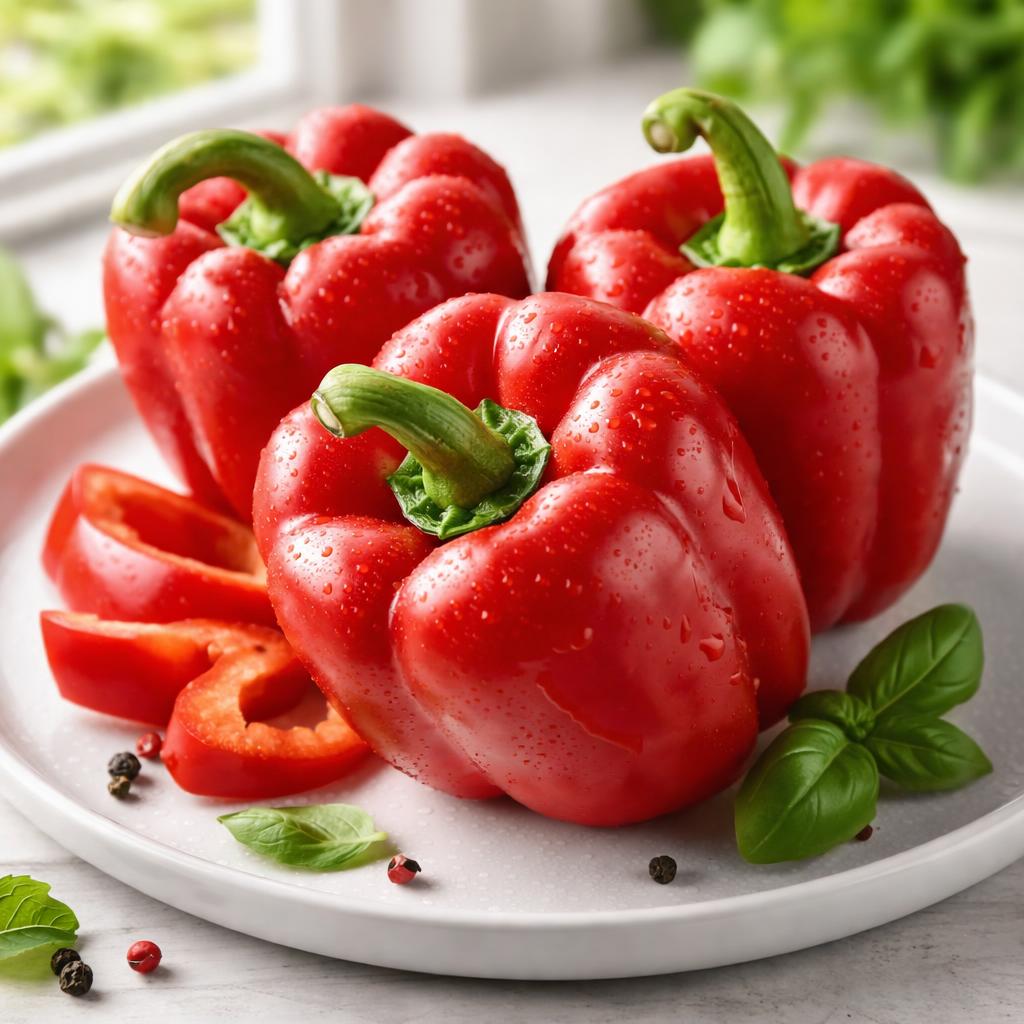
Red Pepper
🎯 Quick Verdict
Salad and red peppers each offer distinct nutritional benefits. Salad is higher in protein and fiber while being lower in calories due to its leafy greens. Red peppers, on the other hand, are rich in vitamin C and antioxidants, making them excellent for immune health. Choose salad for weight management or red peppers for their micronutrient density and vibrant flavor.

Smart Nutrition Tracking with SnapCalorie

📊 Nutritional Comparison
Macronutrients
| Nutrient | Food 1 | Food 2 | Winner |
|---|---|---|---|
| Calories | 50 | 77 | ✓ |
| Protein | 3g | 1g | ✓ |
| Carbs | 7g | 18g | ✓ |
| Fat | 0.5g | 0.3g | ✓ |
| Fiber | 4g | 3g | ✓ |
Vitamins & Minerals
| Nutrient | Food 1 | Food 2 | Winner |
|---|---|---|---|
| Vitamin C | 16mg | 127mg | ✓ |
| Vitamin A | 550IU | 4676IU | ✓ |
| Vitamin K | 40mcg | 4mcg | ✓ |
🏆 Category Winners
Protein
Salad contains three times more protein than red peppers.
Fiber
Salad is higher in fiber, promoting digestive health.
Calories
Salad offers fewer calories, making it suitable for low-calorie diets.
Vitamins
Red peppers are richer in vitamins C and A, which support immunity and eye health.
🥗 Diet Compatibility
Keto
Food 1: Compatible
Food 2: Not Compatible
Salad is lower in net carbs (3g per serving after fiber), suitable for keto.
Vegan
Food 1: Compatible
Food 2: Compatible
Both are plant-based foods suitable for vegan diets.
Gluten Free
Food 1: Compatible
Food 2: Compatible
Neither contains gluten.
Paleo
Food 1: Compatible
Food 2: Compatible
Both are natural, unprocessed foods compliant with paleo guidelines.
Low-Carb
Food 1: Compatible
Food 2: Not Compatible
Salad is low-carb, while red peppers contain 18g carbs per serving.
💪 Health Benefits Comparison
Food 1 Benefits
- High in fiber to support digestion and regularity
- Low calorie content supports weight management
- Good source of Vitamin K for bone health
Food 2 Benefits
- Rich in Vitamin C to boost immunity and skin health
- Contains antioxidants that combat free radical damage
- High in Vitamin A for eye health and vision support
✅ The Bottom Line
Both salad and red peppers are healthy choices, but their strengths differ. Opt for salad if you're managing weight or focusing on fiber and protein intake. Choose red peppers for their vitamins and antioxidants to support immunity and overall vitality.
Choose Food 1 for: Low-calorie diets, digestion support, weight management
Choose Food 2 for: Immune health, vibrant flavors in recipes, eye and skin care


