Salad VS Raspberry
A detailed nutritional comparison
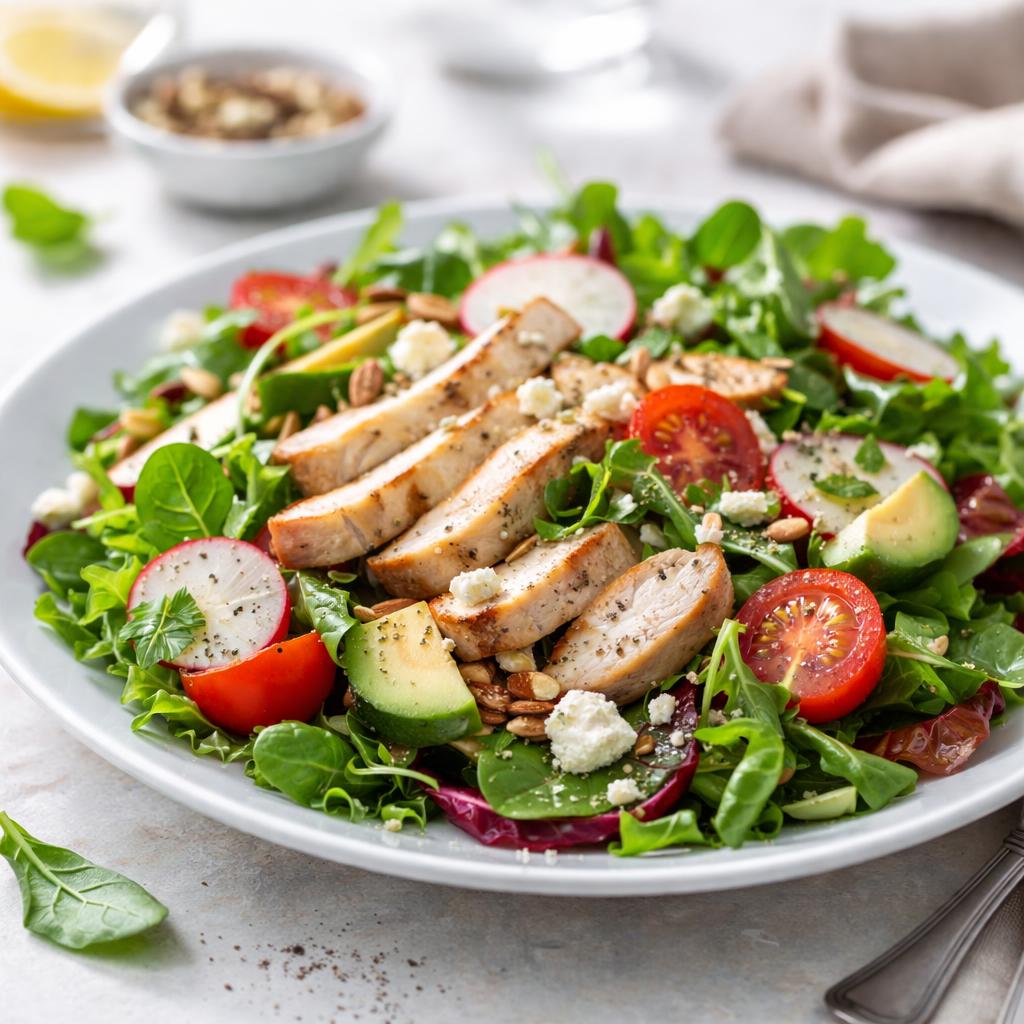
Salad
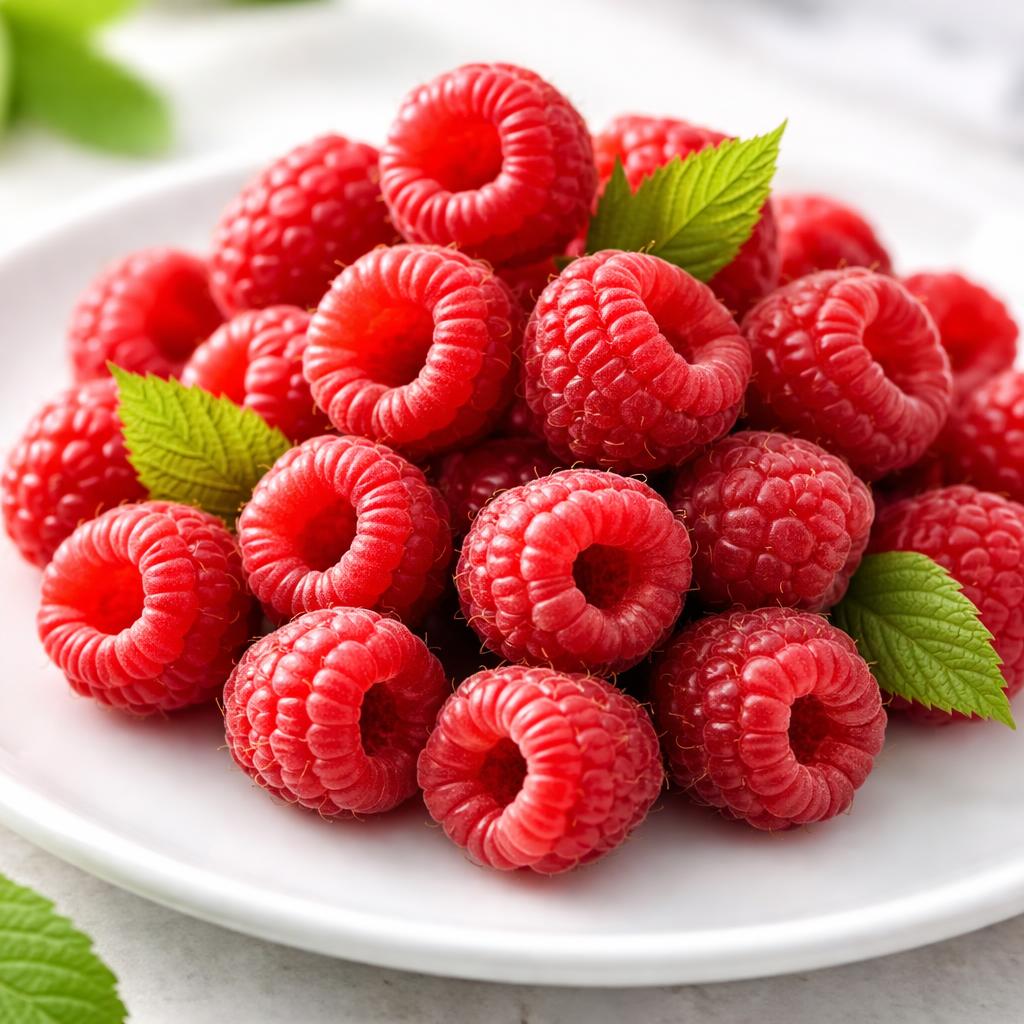
Raspberry
🎯 Quick Verdict
Salad and raspberries are both nutrient-dense options, but they excel in different areas. Salad is low in calories, high in vitamins like vitamin A and K, and has more protein. Raspberries, on the other hand, provide significantly more fiber and a rich source of antioxidants. Salad is better for weight loss and versatile meals, while raspberries are ideal for snacking and boosting digestion and immune health.

Smart Nutrition Tracking with SnapCalorie

📊 Nutritional Comparison
Macronutrients
| Nutrient | Food 1 | Food 2 | Winner |
|---|---|---|---|
| Calories | 20 | 64 | − |
| Protein | 2g | 1g | − |
| Carbs | 4g | 15g | − |
| Fat | 0.2g | 0.8g | − |
| Fiber | 1.5g | 8g | − |
Vitamins & Minerals
| Nutrient | Food 1 | Food 2 | Winner |
|---|---|---|---|
| Vitamin A | 1260 IU | 0 IU | − |
| Vitamin C | 5mg | 33mg | − |
| Vitamin K | 60mcg | 10mcg | − |
| Calcium | 20mg | 27mg | − |
| Iron | 0.3mg | 0.4mg | − |
🏆 Category Winners
Protein
Salad contains twice as much protein as raspberries.
Fiber
Raspberries have over five times more fiber than salad.
Calories
Salad has approximately 70% fewer calories than raspberries.
Vitamins
Salad and raspberries excel in different vitamin categories—salad for vitamin A and K, raspberries for vitamin C.
🥗 Diet Compatibility
Keto
Food 1: Compatible
Food 2: Compatible
Both are low-carb options.
Vegan
Food 1: Compatible
Food 2: Compatible
Both foods are entirely plant-based.
Gluten Free
Food 1: Compatible
Food 2: Compatible
Neither food contains gluten.
Paleo
Food 1: Compatible
Food 2: Compatible
Both are natural, unprocessed foods suitable for paleo diets.
Low Carb
Food 1: More compatible
Food 2: Less compatible
Salad is significantly lower in carbohydrates (4g vs 15g).
💪 Health Benefits Comparison
Food 1 Benefits
- Extremely low in calories, supporting weight management
- Rich in vitamin A and K for eye and bone health
- Contains trace amounts of protein for cellular functions
Food 2 Benefits
- Packed with antioxidants, enhancing immune health
- High in fiber for digestive wellness
- Rich in vitamin C for skin health and wound healing
✅ The Bottom Line
Choose salad for weight loss and versatile meal bases that supply essential vitamins like A and K. Raspberries are better for snacking and digestion support due to their high fiber and vitamin C content. Both are excellent additions to a nutrient-dense diet.
Choose Food 1 for: Weight management, meal customization, low-carb diets
Choose Food 2 for: Digestive health, immune support, antioxidant-rich snacks


