Salad VS Quesadilla
A detailed nutritional comparison
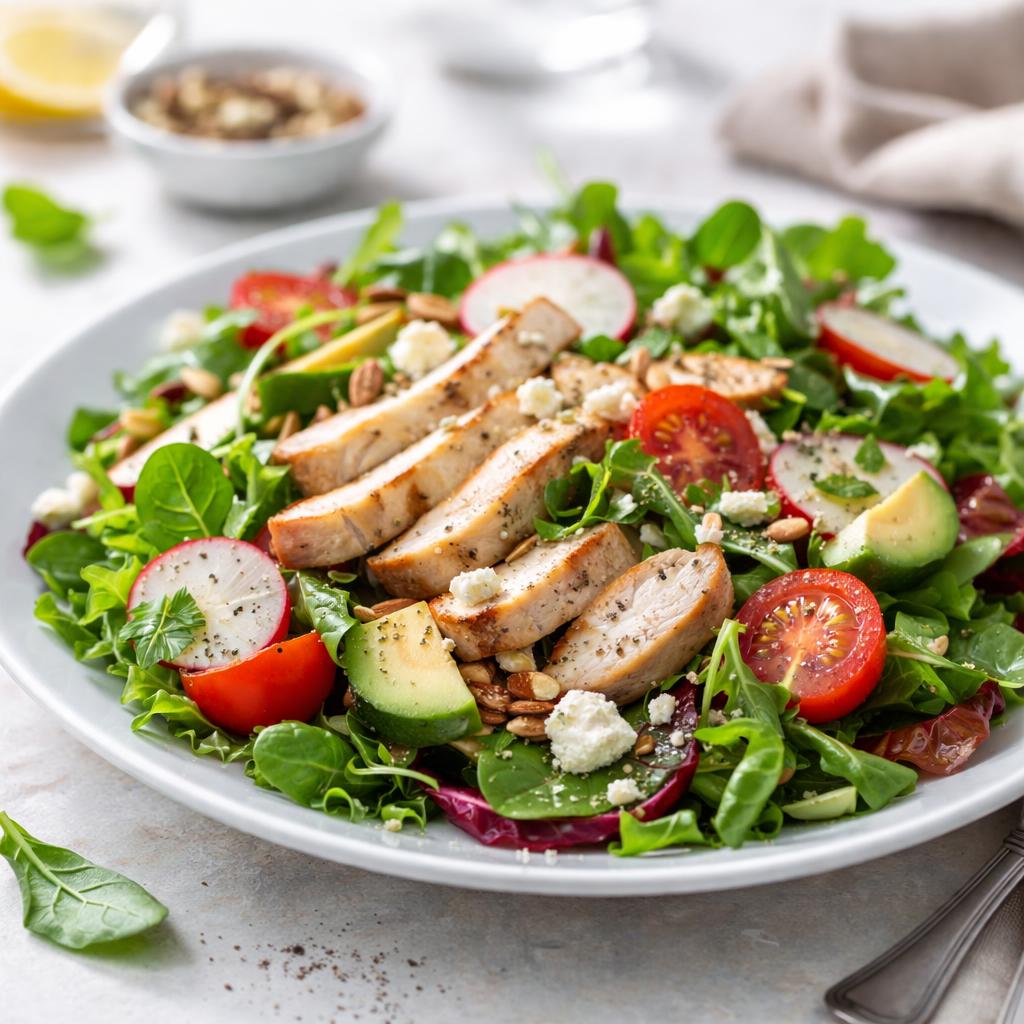
Salad
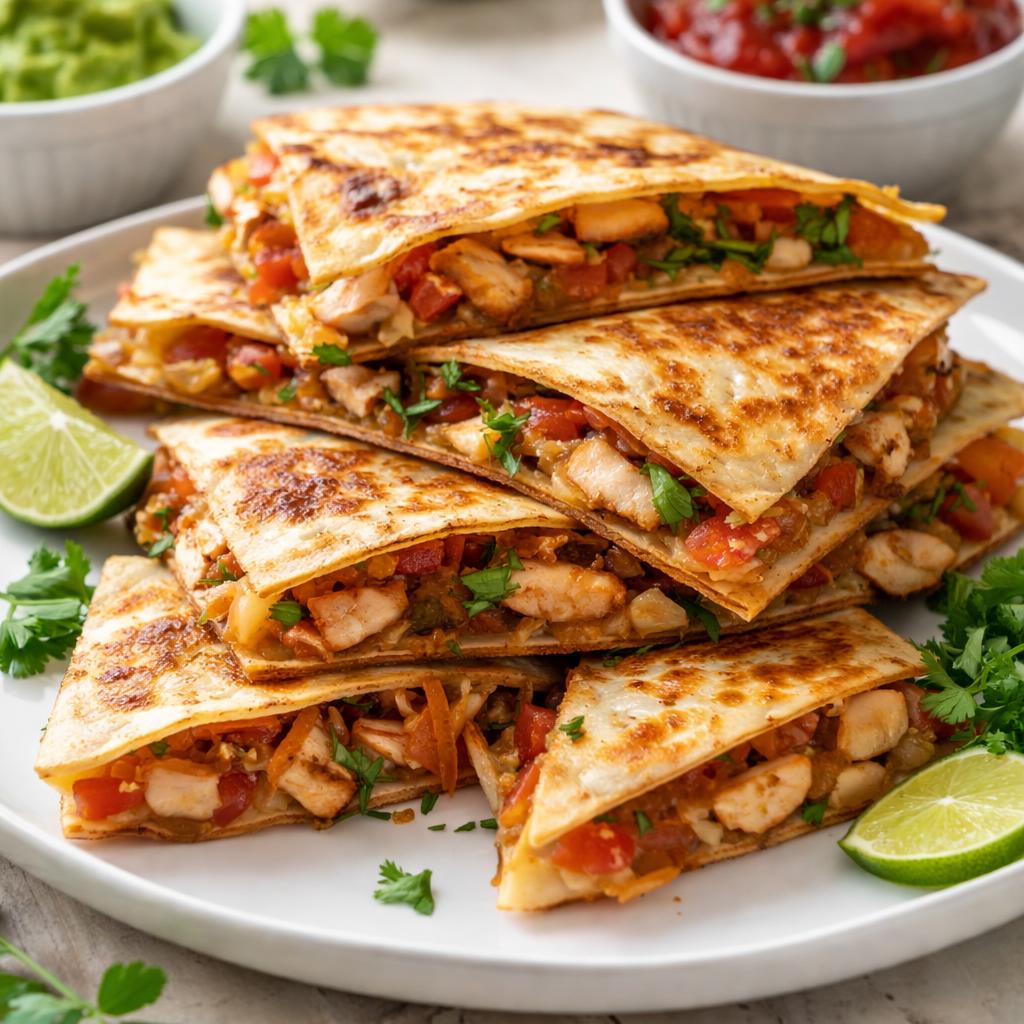
Quesadilla
🎯 Quick Verdict
Salad is a lighter, nutrient-dense option with fewer calories and more fiber, making it ideal for weight loss and digestion. Quesadilla, while higher in calories, contains more protein and fat, suitable for those seeking sustained energy or muscle recovery. Both have unique uses depending on dietary goals and preferences.

Smart Nutrition Tracking with SnapCalorie

📊 Nutritional Comparison
Macronutrients
| Nutrient | Food 1 | Food 2 | Winner |
|---|---|---|---|
| Calories | 100 | 350 | ✓ |
| Protein | 3g | 15g | ✓ |
| Carbs | 10g | 30g | ✓ |
| Fat | 2g | 20g | ✓ |
| Fiber | 3g | 1g | ✓ |
Vitamins & Minerals
| Nutrient | Food 1 | Food 2 | Winner |
|---|---|---|---|
| Vitamin A | 1500 IU | 800 IU | ✓ |
| Vitamin C | 15mg | 5mg | ✓ |
| Calcium | 40mg | 200mg | ✓ |
| Iron | 1mg | 1.5mg | ✓ |
🏆 Category Winners
Protein
Quesadilla contains 5x more protein than salad.
Fiber
Salad provides 3x more fiber for digestion support.
Calories
Salad is significantly lower in calories, suitable for weight loss diets.
Vitamins
Salad offers more Vitamin A and Vitamin C overall, promoting eye and immune health.
🥗 Diet Compatibility
Keto
Food 1: Not Compatible
Food 2: Compatible
Quesadilla is high-fat, whereas salad contains too many carbs for keto diets.
Vegan
Food 1: Compatible
Food 2: Not Compatible
Salad can be made plant-based, but quesadilla typically contains cheese and meat.
Gluten Free
Food 1: Compatible
Food 2: Not Compatible
Salad is naturally gluten-free, while quesadilla uses a wheat-based tortilla.
Paleo
Food 1: Compatible
Food 2: Not Compatible
Salad aligns with paleo guidelines, quesadilla's cheese and flour do not.
Low-Carb
Food 1: Not Compatible
Food 2: Partially Compatible
Salad contains moderate carbs, quesadilla is higher due to tortilla.
💪 Health Benefits Comparison
Food 1 Benefits
- Low in calories, ideal for weight management
- Rich in fiber for gut health
- Provides Vitamin A and Vitamin C for overall immune function
- Antioxidants promote cellular health
Food 2 Benefits
- High in protein for muscle repair and growth
- Rich in calcium for bone health
- Healthy fats provide sustained energy
- Iron content supports oxygen transport in the body
✅ The Bottom Line
Choose salad for weight loss, digestion support, and nutrient density, especially if following a vegan, paleo, or gluten-free diet. Opt for quesadilla as a higher-calorie option for energy and muscle recovery post-workout or on high-protein diets.
Choose Food 1 for: Weight loss, vegan diets, nutrient-dense meals
Choose Food 2 for: Protein-rich diets, post-workout recovery, sustained energy


