Salad VS Purple Cabbage
A detailed nutritional comparison
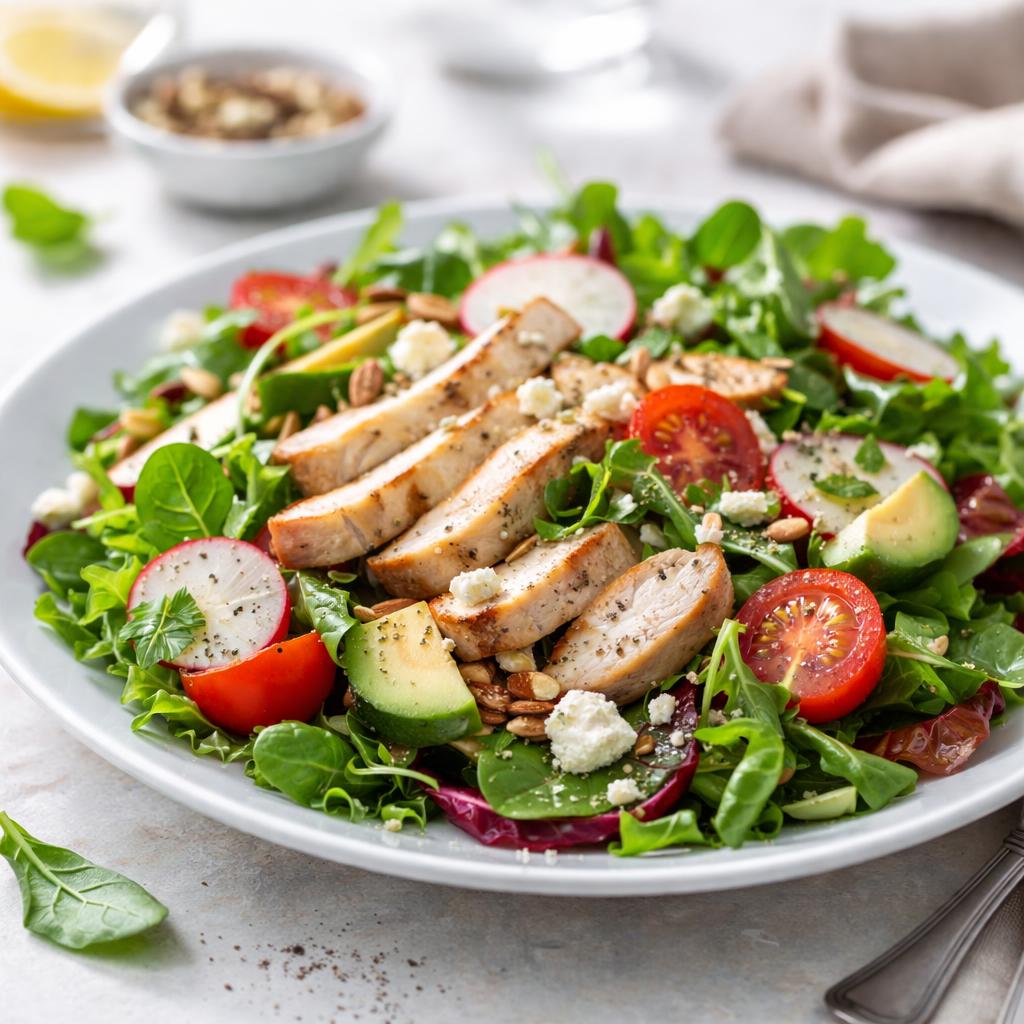
Salad
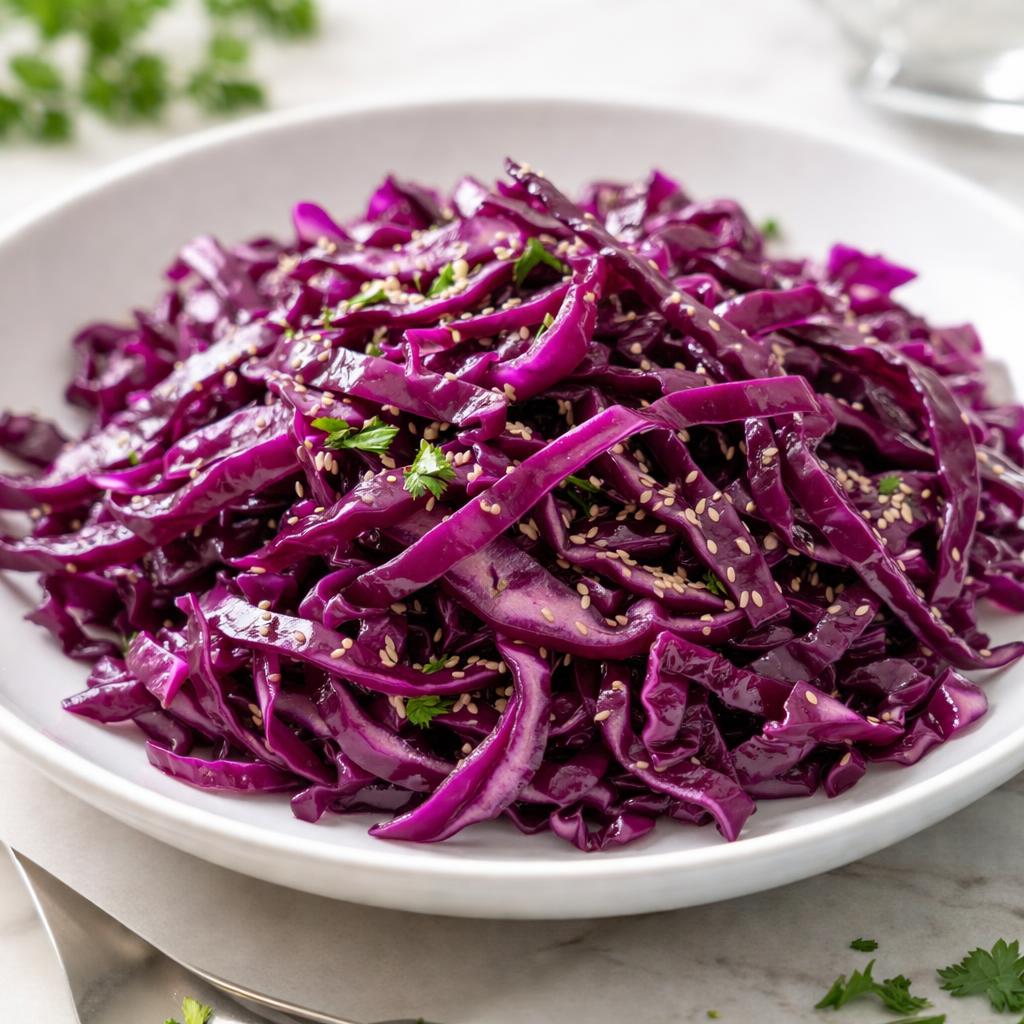
Purple Cabbage
🎯 Quick Verdict
Salad and purple cabbage both offer excellent nutritional benefits, but they differ in specific areas. Purple cabbage is higher in protein and fiber, making it great for digestion and nutrient density. Salad is lower in calories, making it suitable for weight-conscious individuals. Both are rich in vitamins and compatible with various diets.

Smart Nutrition Tracking with SnapCalorie

📊 Nutritional Comparison
Macronutrients
| Nutrient | Food 1 | Food 2 | Winner |
|---|---|---|---|
| Calories | 15 per 100g | 31 per 100g | ✓ |
| Protein | 1.2g per 100g | 1.6g per 100g | ✓ |
| Carbs | 2.9g per 100g | 7.3g per 100g | ✓ |
| Fat | 0.2g per 100g | 0.1g per 100g | ✓ |
| Fiber | 1.1g per 100g | 2.5g per 100g | ✓ |
Vitamins & Minerals
| Nutrient | Food 1 | Food 2 | Winner |
|---|---|---|---|
| Vitamin C | 9mg per 100g | 57mg per 100g | ✓ |
| Vitamin K | 24mcg per 100g | 34mcg per 100g | ✓ |
| Vitamin A | 141mcg per 100g | 20mcg per 100g | ✓ |
🏆 Category Winners
Protein
Purple cabbage has a slightly higher protein content per serving.
Fiber
Purple cabbage provides more than double the fiber compared to salad.
Calories
Salad contains significantly fewer calories, ideal for weight loss diets.
🥗 Diet Compatibility
Keto
Food 1: Compatible
Food 2: Compatible
Both are low in carbs and ideal for keto diets.
Vegan
Food 1: Compatible
Food 2: Compatible
Both are entirely plant-based foods.
Gluten Free
Food 1: Compatible
Food 2: Compatible
Neither food contains gluten.
Paleo
Food 1: Compatible
Food 2: Compatible
Both foods align with paleo dietary principles.
Low-Carb
Food 1: Compatible
Food 2: Partially Compatible
Salad is better suited to strictly low-carb diets due to lower carb content.
💪 Health Benefits Comparison
Food 1 Benefits
- Low-calorie food for weight management
- Good source of Vitamin A for eye health
- Provides hydration with minimal fat content
Food 2 Benefits
- High in Vitamin C for immunity and skin health
- Excellent fiber content supports digestion
- Rich in antioxidants for reducing inflammation
✅ The Bottom Line
Both salad and purple cabbage are nutrient-rich and compatible with most diets. Choose salad for lower calories and hydration, ideal for weight management. Opt for purple cabbage if you’re seeking more fiber, protein, and Vitamin C. Both can be combined for a balanced meal.
Choose Food 1 for: Weight loss, general hydration, light snacks
Choose Food 2 for: Digestive health, immune support, nutrient density


