Salad VS Prawn
A detailed nutritional comparison
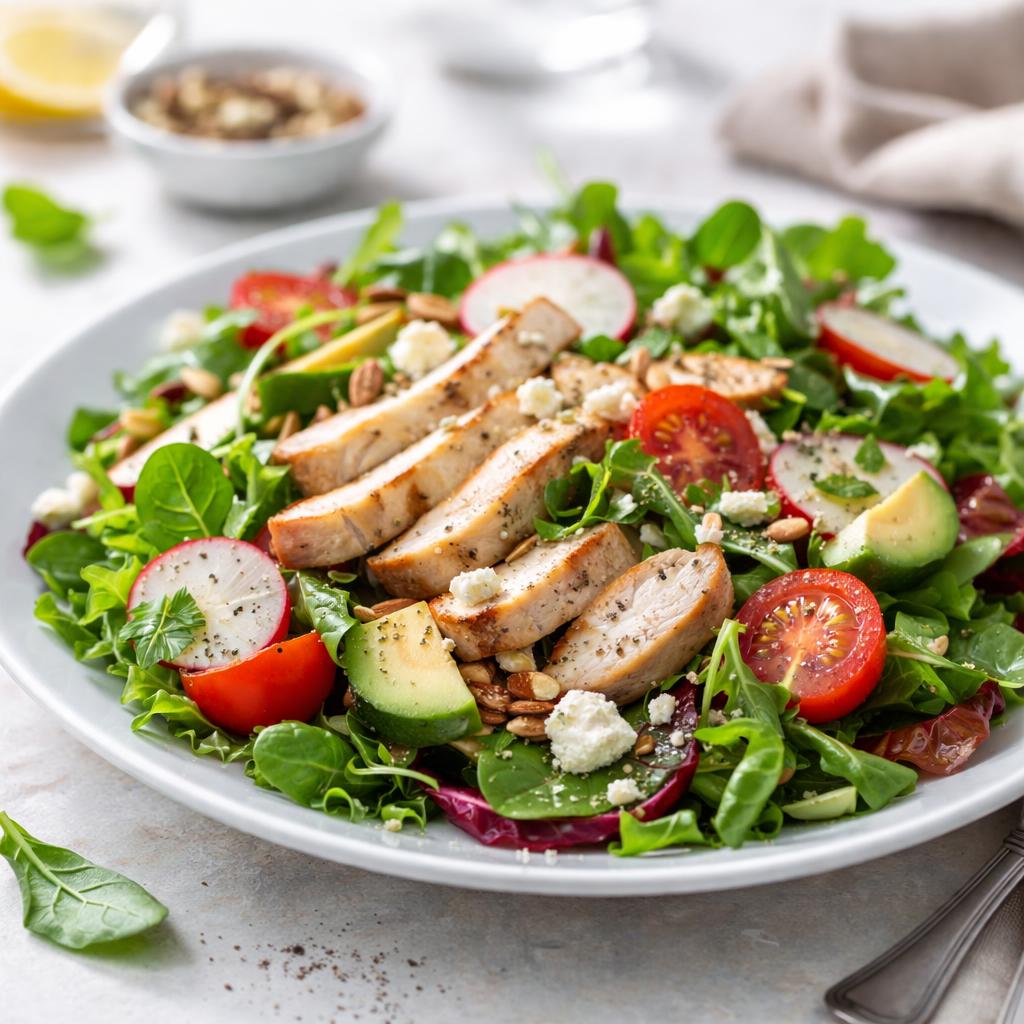
Salad
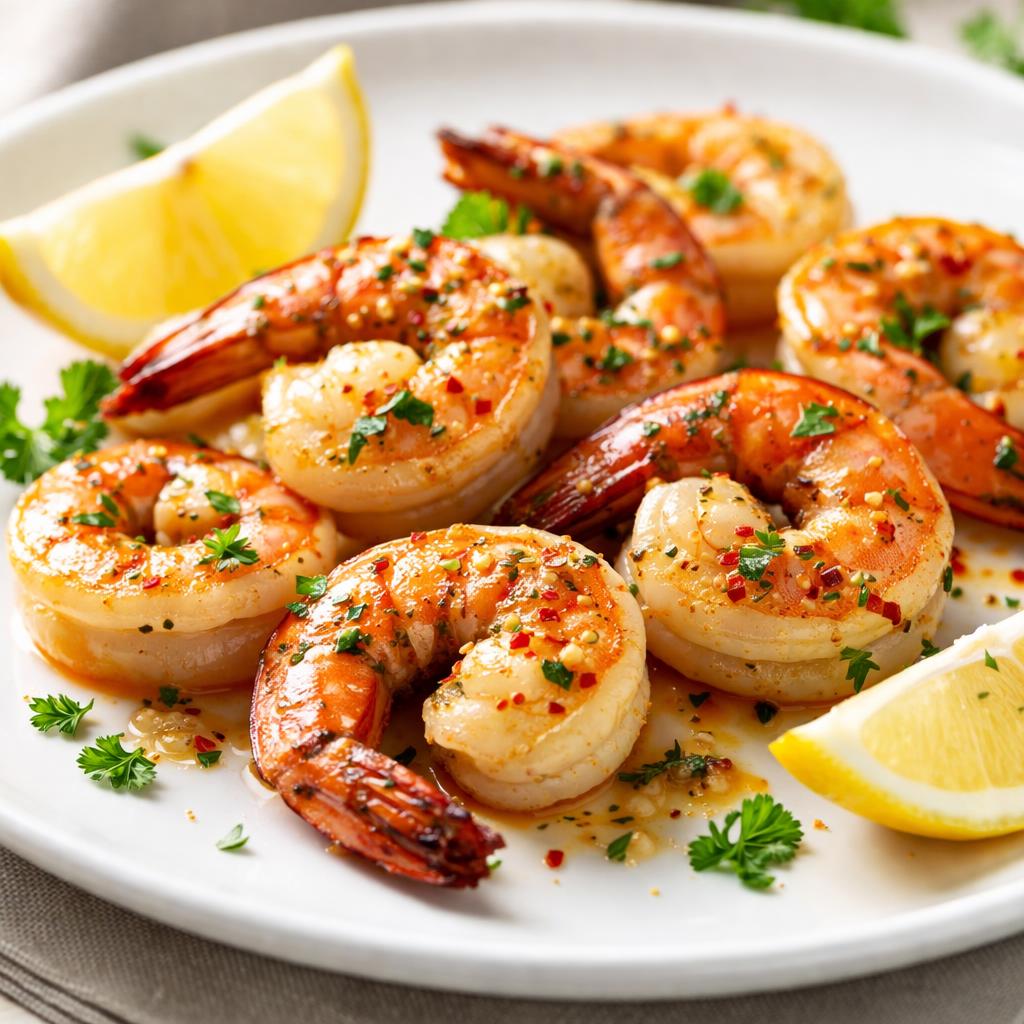
Prawn
🎯 Quick Verdict
Prawns are a protein powerhouse, providing significantly more protein per serving compared to salad, while salad excels in fiber content and is lower in calories. Salad is ideal for weight management and digestive health, whereas prawns are better for muscle building and nutrient density.

Smart Nutrition Tracking with SnapCalorie

📊 Nutritional Comparison
Macronutrients
| Nutrient | Food 1 | Food 2 | Winner |
|---|---|---|---|
| Calories | 35 | 100 | ✓ |
| Protein | 2g | 22g | ✓ |
| Carbs | 5g | 0g | ✓ |
| Fat | 0g | 1g | ✓ |
| Fiber | 3g | 0g | ✓ |
Vitamins & Minerals
| Nutrient | Food 1 | Food 2 | Winner |
|---|---|---|---|
| Vitamin A | 150mcg | 54mcg | ✓ |
| Vitamin C | 9mg | 0mg | ✓ |
| Vitamin D | 0mcg | 3mcg | ✓ |
| Calcium | 30mg | 25mg | ✓ |
| Iron | 0.5mg | 1mg | ✓ |
🏆 Category Winners
Protein
Prawns contain 22g of protein per serving, over 10 times more than salad.
Fiber
Salad provides 3g of fiber per serving, while prawns contain none.
Calories
Salad has only 35 calories per serving, compared to 100 calories for prawns.
Vitamins
Food1 is richer in vitamins A and C, while food2 has more vitamin D and iron.
🥗 Diet Compatibility
Keto
Food 1: Not Compatible
Food 2: Compatible
Prawns are low-carb, while salad contains higher carbs from vegetables.
Vegan
Food 1: Compatible
Food 2: Not Compatible
Salad is plant-based, while prawns are animal-derived.
Gluten Free
Food 1: Compatible
Food 2: Compatible
Both foods are naturally gluten-free.
Paleo
Food 1: Compatible
Food 2: Compatible
Both are paleo-approved natural whole foods.
Low Carb
Food 1: Not Compatible
Food 2: Compatible
Food2 has zero carbohydrates, fitting a low-carb diet better.
💪 Health Benefits Comparison
Food 1 Benefits
- High in fiber for digestive health
- Rich in vitamin C for immune support
- Provides antioxidants for overall health
- Low calorie, great for weight management
Food 2 Benefits
- Excellent source of lean protein for muscle building
- Contains vitamin D for bone health
- Rich in selenium, an immune-boosting antioxidant
- Low in fat, good for heart health
✅ The Bottom Line
Choose salad for light, low-calorie meals targeted towards weight loss and digestive health. Opt for prawns if you need a nutrient-dense protein source, ideal for muscle building and keto diets.
Choose Food 1 for: Weight loss, digestive health, light meals
Choose Food 2 for: Protein needs, keto diet, muscle building


