Salad VS Pork
A detailed nutritional comparison
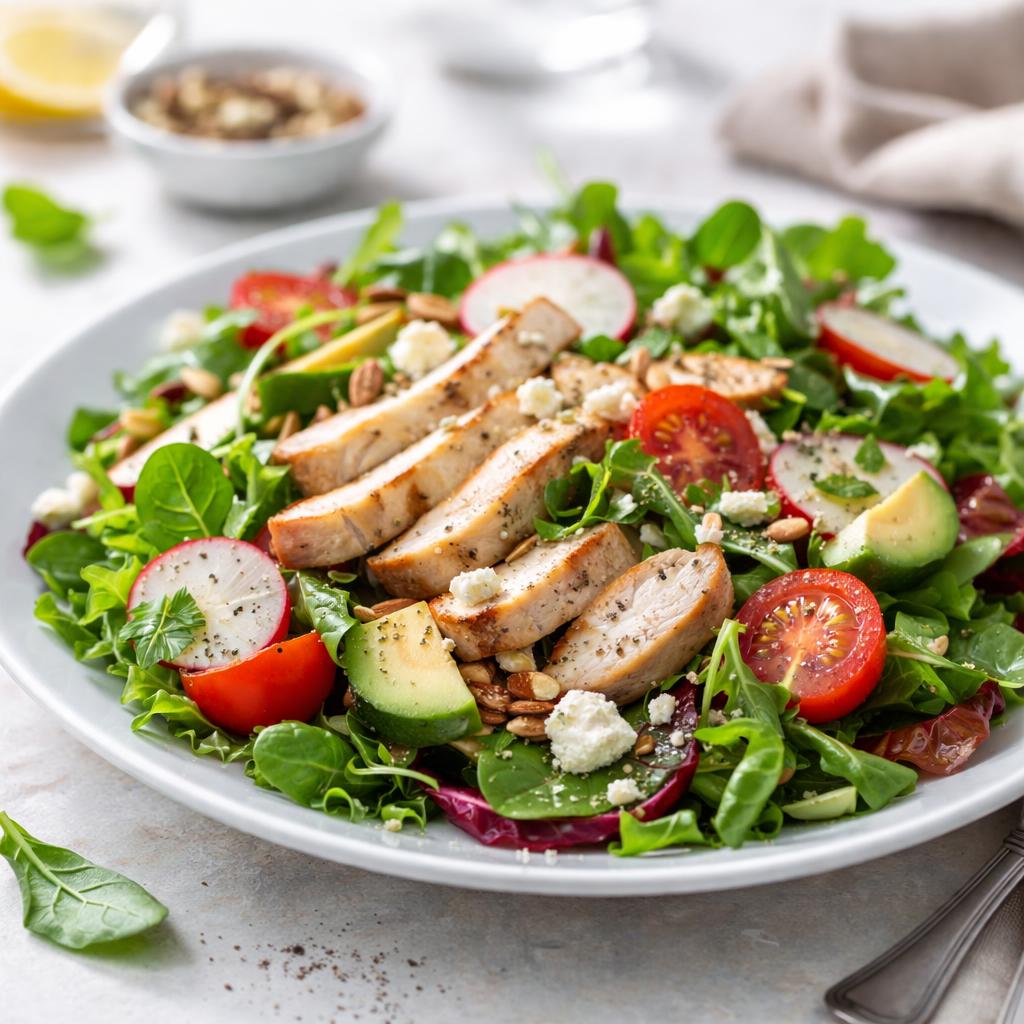
Salad
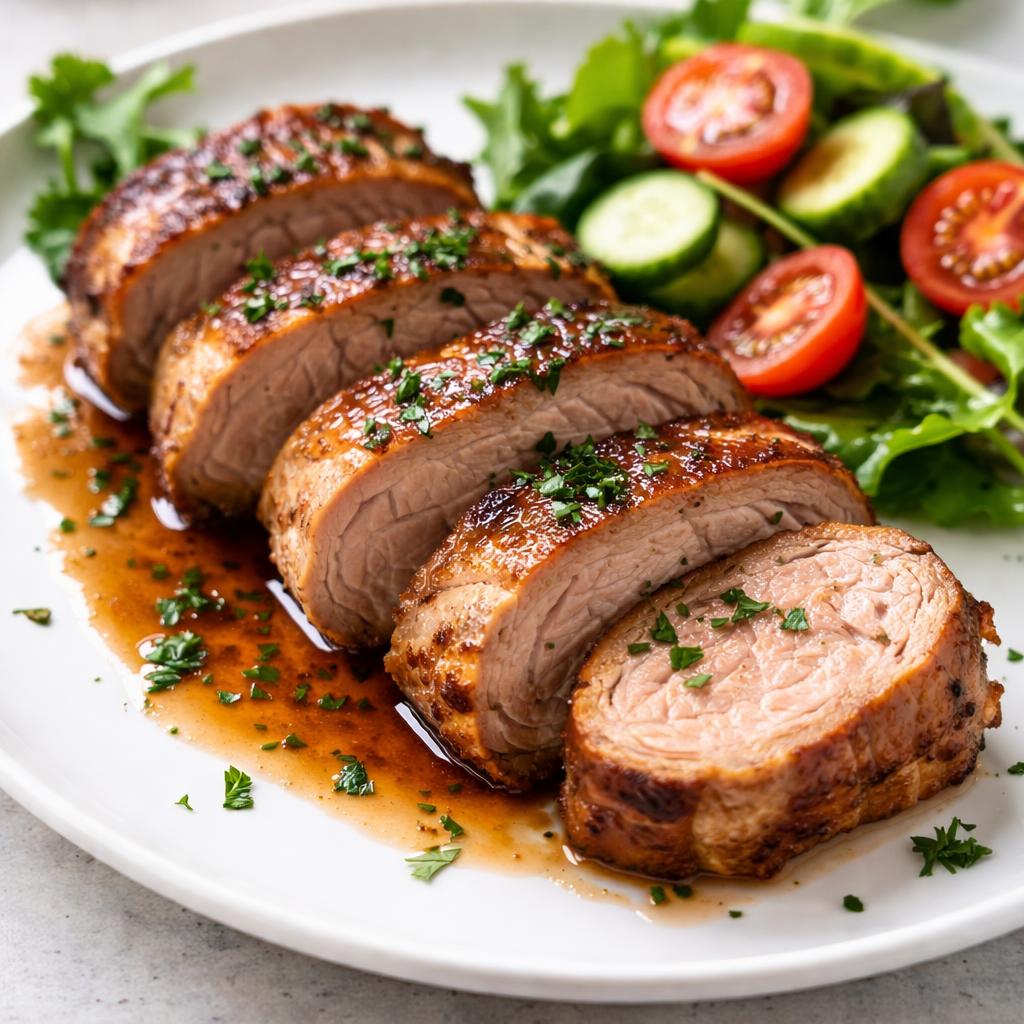
Pork
🎯 Quick Verdict
Salad (food 1) is nutrient-dense, lower in calories, and high in fiber, making it ideal for weight management and digestion. Pork (food 2) is packed with protein and contains more fat, making it suitable for muscle building and energy sustenance. Both foods complement various dietary goals depending on nutritional needs.

Smart Nutrition Tracking with SnapCalorie

📊 Nutritional Comparison
Macronutrients
| Nutrient | Food 1 | Food 2 | Winner |
|---|---|---|---|
| Calories | 80 (mixed greens, 2 cups) | 250 (3 oz cooked pork, lean) | ✓ |
| Protein | 2g | 25g | ✓ |
| Carbs | 6g | 0g | ✓ |
| Fat | 2g | 15g | ✓ |
| Fiber | 3g | 0g | ✓ |
Vitamins & Minerals
| Nutrient | Food 1 | Food 2 | Winner |
|---|---|---|---|
| Vitamin A | 2700 IU | 0 IU | ✓ |
| Vitamin C | 15mg | 0mg | ✓ |
| Iron | 1mg | 0.6mg | ✓ |
| Vitamin B12 | 0mcg | 0.6mcg | ✓ |
🏆 Category Winners
Protein
Pork provides significantly higher protein per serving, with 25g compared to 2g from salad.
Fiber
Salad is fiber-rich, offering 3g per serving compared to none in pork.
Calories
Salad is low-calorie, making it ideal for weight management.
Vitamins
Salad is loaded with micronutrients like Vitamin A and Vitamin C, which are absent in pork.
🥗 Diet Compatibility
Keto
Food 1: Compatible
Food 2: Compatible
Both are low-carb options suitable for the keto diet when prepared correctly.
Vegan
Food 1: Compatible
Food 2: Not Compatible
Salad is plant-based while pork is animal-derived.
Gluten Free
Food 1: Compatible
Food 2: Compatible
Neither food contains gluten.
Paleo
Food 1: Compatible
Food 2: Compatible
Both are acceptable within paleo guidelines if minimally processed.
Low-Carb
Food 1: Compatible
Food 2: Compatible
Both foods are low in carbohydrates.
💪 Health Benefits Comparison
Food 1 Benefits
- High in fiber to improve digestion and prevent constipation
- Low in calories, ideal for weight loss
- Rich in vitamins A and C for immune support and healthy skin
Food 2 Benefits
- Excellent source of high-quality protein for muscle building and repair
- Contains essential B vitamins such as B12 for energy metabolism
- Provides heme iron, which is readily absorbed to support red blood cell production
✅ The Bottom Line
Choose salad (food 1) for weight loss, digestion support, and a boost in vitamins. Opt for pork (food 2) for post-workout protein, energy sustenance, and muscle repair. Both foods can complement a healthy diet when paired appropriately.
Choose Food 1 for: Weight management, fiber intake, vitamin boost, vegan diets
Choose Food 2 for: Muscle building, high-protein diets, energy sustenance


