Salad VS Pizza
A detailed nutritional comparison
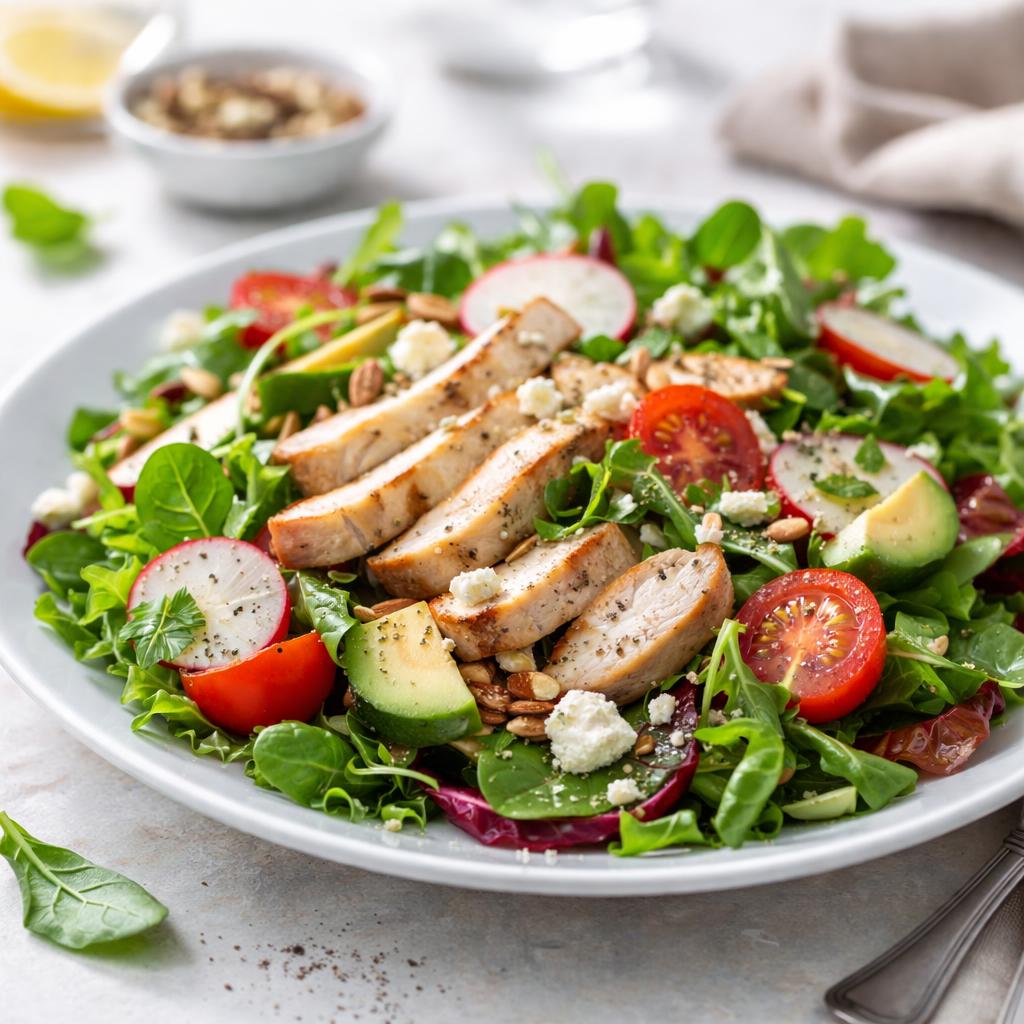
Salad
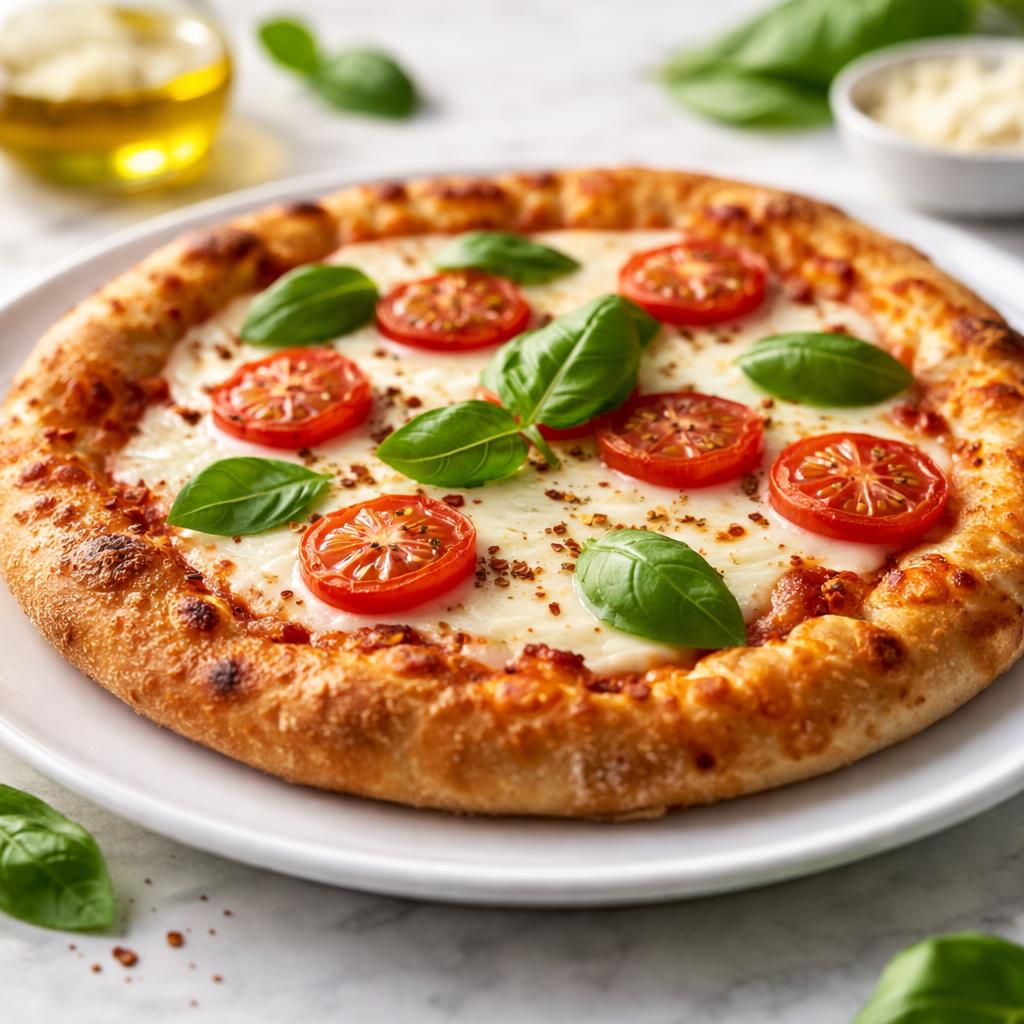
Pizza
🎯 Quick Verdict
Salad is a high-fiber, low-calorie food, suitable for weight management and nutrient density, while pizza is higher in protein and calorie-dense, making it a comforting, energy-rich option. Salad is ideal for light meals or as a side, whereas pizza can serve as a fulfilling main meal depending on the portion size and toppings used.

Smart Nutrition Tracking with SnapCalorie

📊 Nutritional Comparison
Macronutrients
| Nutrient | Food 1 | Food 2 | Winner |
|---|---|---|---|
| Calories | 150 | 280 | ✓ |
| Protein | 3g | 12g | ✓ |
| Carbs | 10g | 33g | ✓ |
| Fat | 7g | 10g | ✓ |
| Fiber | 4g | 2g | ✓ |
Vitamins & Minerals
| Nutrient | Food 1 | Food 2 | Winner |
|---|---|---|---|
| Vitamin A | 400mcg | 200mcg | ✓ |
| Vitamin C | 20mg | 5mg | ✓ |
| Calcium | 60mg | 120mg | ✓ |
| Iron | 2.5mg | 2mg | ✓ |
🏆 Category Winners
Protein
Pizza contains four times more protein per serving, largely due to cheese and other toppings.
Fiber
Salad offers double the fiber content per serving compared to pizza.
Calories
Salad contains approximately half the calories of pizza, making it better for weight management.
Vitamins
Salad offers higher levels of vitamin A, vitamin C, and iron per serving, beneficial for immune support and overall health.
🥗 Diet Compatibility
Keto
Food 1: Not Compatible
Food 2: Not Compatible
Both foods are moderately high in carbs, but adjustments (like removing croutons in salad or using low-carb pizza crust) could be made.
Vegan
Food 1: Depends on ingredients
Food 2: Not Compatible
Salad can be made vegan by excluding dairy-based dressings, while pizza typically contains cheese and other animal products.
Gluten Free
Food 1: Depends on ingredients
Food 2: Not Compatible
Salad is gluten-free unless you add croutons, whereas traditional pizza crust contains gluten.
Paleo
Food 1: Compatible
Food 2: Not Compatible
Salad aligns well with paleo diets, while pizza contains processed ingredients like flour and cheese.
Low-Carb
Food 1: Compatible
Food 2: Not Compatible
Salad is a lower-carb option compared to pizza, which contains refined carbohydrates in the crust.
💪 Health Benefits Comparison
Food 1 Benefits
- Rich in antioxidants from leafy greens for fighting inflammation
- High fiber content supports healthy digestion
- Low calorie density aids in weight management
- Provides essential vitamins like A and C, boosting immunity
Food 2 Benefits
- Good source of protein for muscle repair and energy
- Calcium from cheese supports bone health
- Provides a satisfying and comforting meal
- Contains complex carbs for sustained energy
✅ The Bottom Line
Salad is ideal for those prioritizing weight loss, lighter meals, or high micronutrient content, while pizza serves as a more calorie-dense, protein-rich option suitable for indulgence or fueling active lifestyles. Both can fit into a balanced diet in moderation.
Choose Food 1 for: Weight loss, nutrient density, light meals, plant-based diets
Choose Food 2 for: High-protein diets, comforting meals, energy recharge


