Salad VS Pita
A detailed nutritional comparison
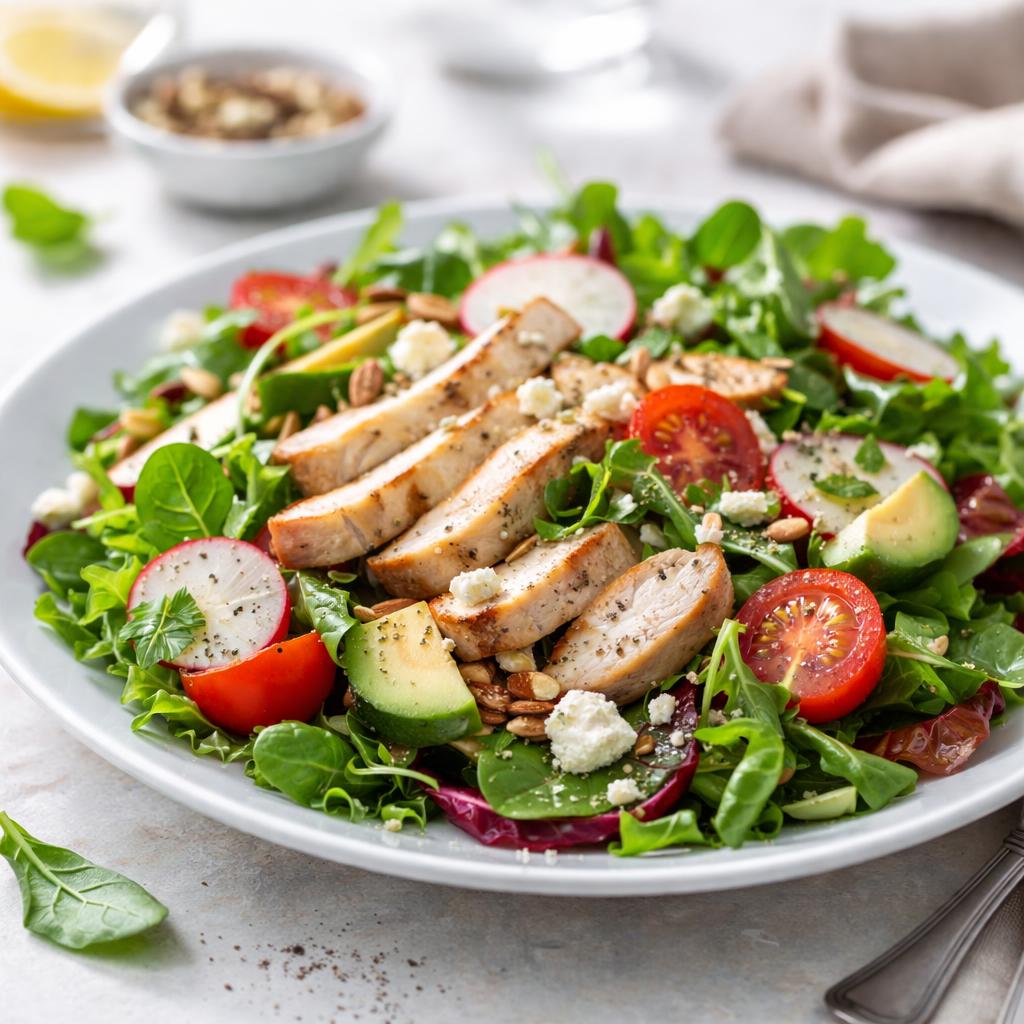
Salad
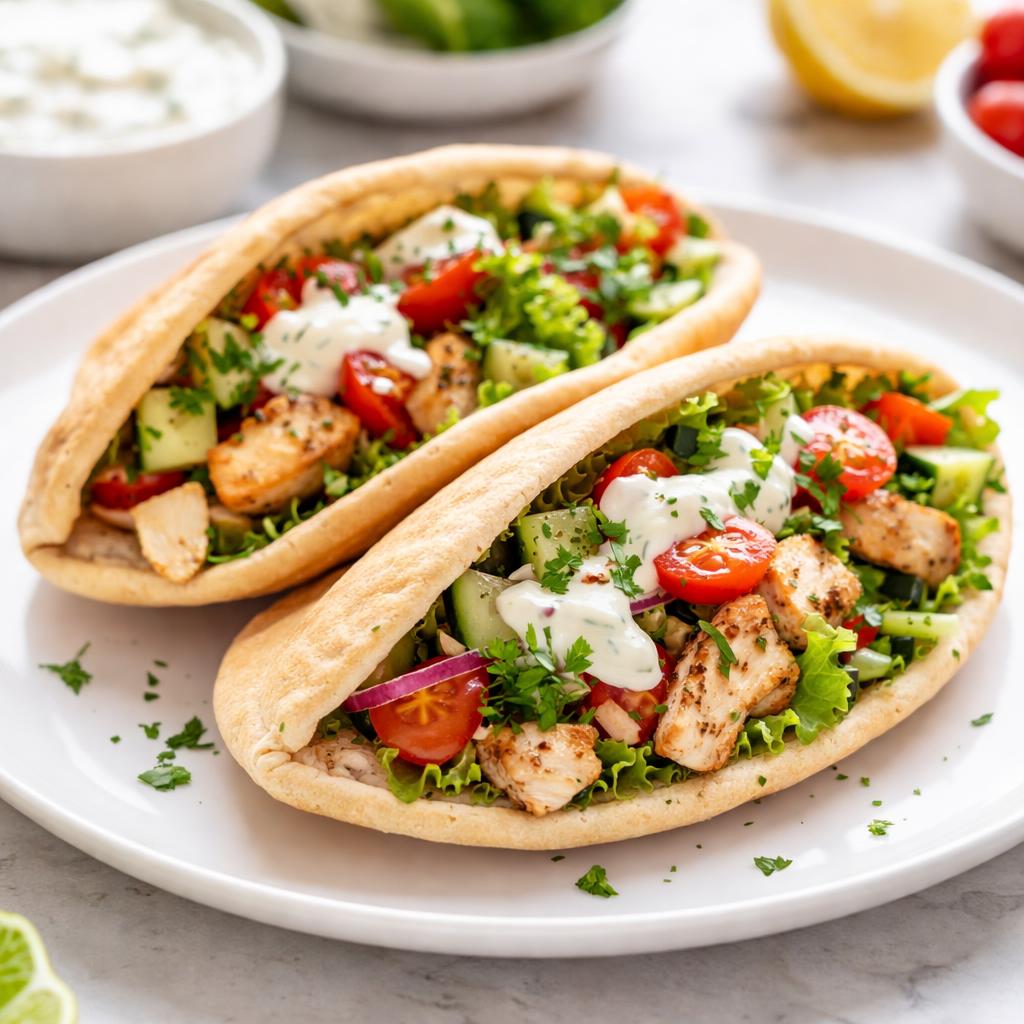
Pita
🎯 Quick Verdict
Salad is lower in calories, higher in fiber, and provides greater overall nutrient density, making it ideal for weight management and digestion support. Pita has more protein and carbohydrates, which are beneficial for energy replenishment and muscle maintenance after physical activity. Choose based on your dietary goals and preferences.

Smart Nutrition Tracking with SnapCalorie

📊 Nutritional Comparison
Macronutrients
| Nutrient | Food 1 | Food 2 | Winner |
|---|---|---|---|
| Calories | 80 | 170 | ✓ |
| Protein | 2g | 5g | ✓ |
| Carbs | 15g | 33g | ✓ |
| Fat | 1g | 2g | ✓ |
| Fiber | 4g | 1.5g | ✓ |
Vitamins & Minerals
| Nutrient | Food 1 | Food 2 | Winner |
|---|---|---|---|
| Vitamin C | 25mg | 0mg | ✓ |
| Vitamin A | 1200mcg | 0mcg | ✓ |
| Calcium | 50mg | 20mg | ✓ |
| Iron | 1mg | 1.5mg | ✓ |
🏆 Category Winners
Protein
Pita contains over twice the amount of protein compared to salad per serving.
Fiber
Salad has nearly three times more fiber compared to pita.
Calories
Salad contains less than half the calories of pita per serving.
Vitamins
Salad is rich in vitamins, including Vitamin C and A, which are absent in pita.
🥗 Diet Compatibility
Keto
Food 1: Not Compatible
Food 2: Not Compatible
Both are high in carbohydrates.
Vegan
Food 1: Compatible
Food 2: Compatible
Both are plant-based foods.
Gluten Free
Food 1: Compatible
Food 2: Not Compatible
Pita typically contains wheat, which is not gluten-free.
Paleo
Food 1: Compatible
Food 2: Not Compatible
Salad aligns with paleo principles, whereas pita does not due to processed grains.
Low-Carb
Food 1: Not Compatible
Food 2: Not Compatible
Both foods contain moderate to high carb amounts.
💪 Health Benefits Comparison
Food 1 Benefits
- Rich in fiber for digestion and gut health.
- Contains Vitamin C to support immune function.
- Low in calories, making it ideal for weight management.
- Provides antioxidants to combat inflammation.
Food 2 Benefits
- Good source of protein for muscle repair.
- Offers sustained energy due to higher carbohydrate content.
- Contains iron, beneficial for oxygen transport in the body.
- Convenient as a base for nutrient-dense fillings.
✅ The Bottom Line
Salad is an excellent choice for weight loss, digestion, and nutrient density, especially when prioritizing vitamins and fiber. Pita is better suited for energy restoration and muscle repair due to its higher protein and carbohydrate content. Choose salad for lighter meals and pita for more substantial, energy-focused meals.
Choose Food 1 for: Weight loss, digestion support, low-calorie meals
Choose Food 2 for: Post-exercise energy, muscle repair, nutrient-dense wraps or sandwiches


