Salad VS Pickled Onions
A detailed nutritional comparison
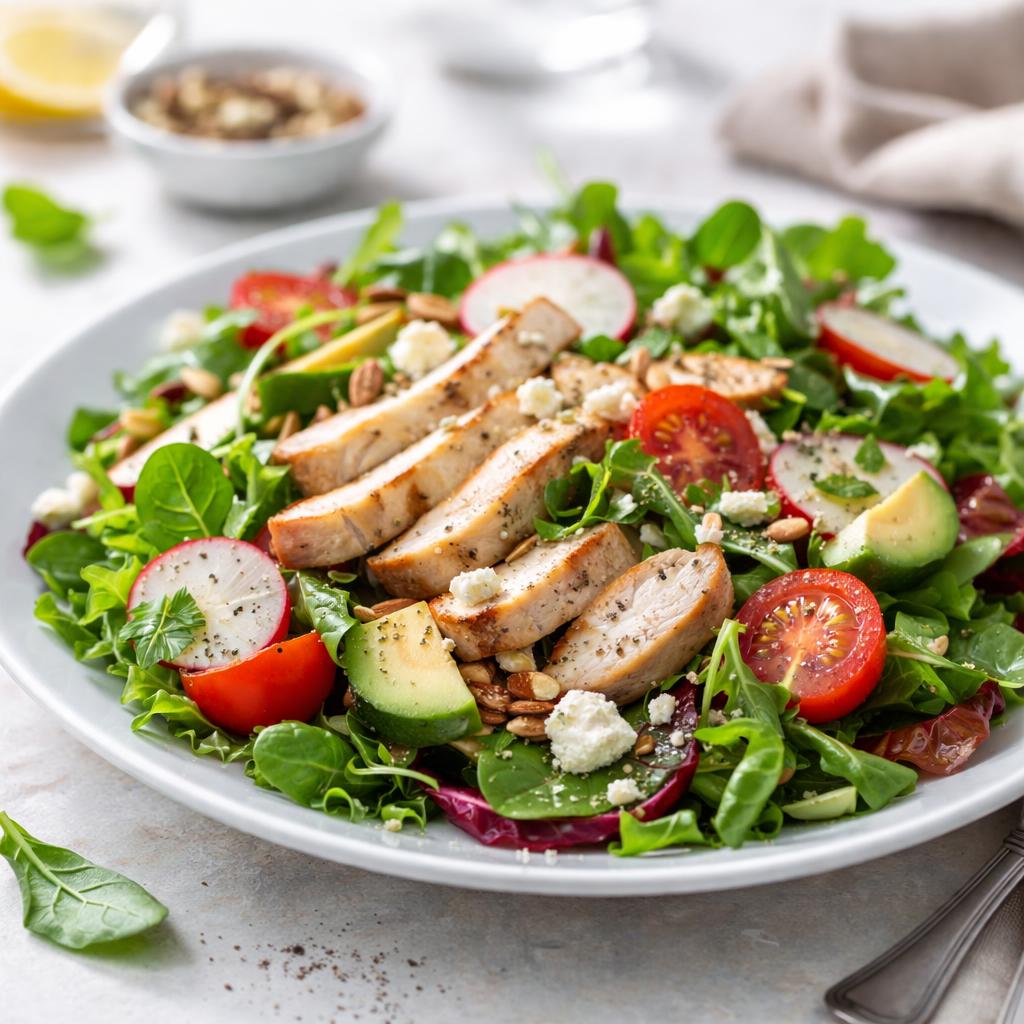
Salad
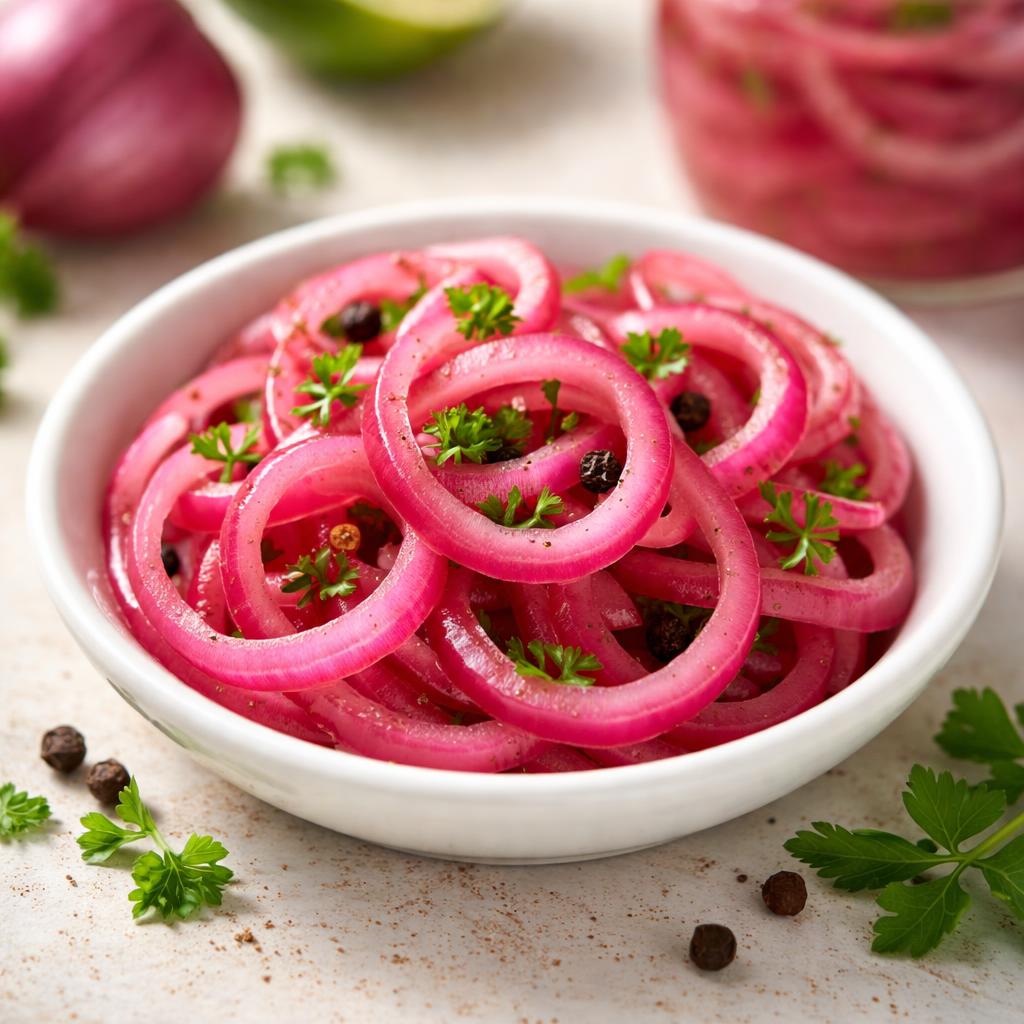
Pickled Onions
🎯 Quick Verdict
Salad offers a more balanced nutritional profile, being low in calories, high in fiber, and containing more protein compared to pickled onions, which are high in sodium and primarily a flavor enhancer. Pickled onions can complement a dish but are not as nutrient-dense or versatile as salad, which can serve as a meal base or side dish.

Smart Nutrition Tracking with SnapCalorie

📊 Nutritional Comparison
Macronutrients
| Nutrient | Food 1 | Food 2 | Winner |
|---|---|---|---|
| Calories | 35 | 90 | ✓ |
| Protein | 2g | 0g | ✓ |
| Carbs | 7g | 20g | ✓ |
| Fat | 0.5g | 0.2g | ✓ |
| Fiber | 2.5g | 1g | ✓ |
Vitamins & Minerals
| Nutrient | Food 1 | Food 2 | Winner |
|---|---|---|---|
| Vitamin A | 2100IU | 0IU | ✓ |
| Vitamin C | 15mg | 4mg | ✓ |
| Iron | 1mg | 0.3mg | ✓ |
🏆 Category Winners
Protein
Food1 contains 2g protein per serving, whereas food2 has no protein.
Fiber
Food1 has 2.5g fiber per serving compared to food2's 1g.
Calories
Food1 is much lower in calories, with only 35 per serving vs 90 for food2.
Vitamins
Salad is significantly richer in essential vitamins such as Vitamin A and Vitamin C.
🥗 Diet Compatibility
Keto
Food 1: Compatible
Food 2: Compatible
Both are low-carb but food1 offers additional fiber and nutrients.
Vegan
Food 1: Compatible
Food 2: Compatible
Both foods are plant-based and vegan-friendly.
Gluten Free
Food 1: Compatible
Food 2: Compatible
Neither food contains gluten in its natural form.
Paleo
Food 1: Compatible
Food 2: Not Compatible
Salad aligns with paleo principles while pickled onions may contain additives not compliant with paleo diets.
Low Carb
Food 1: Compatible
Food 2: Compatible
Both foods are low in carbohydrates, making them suitable for low-carb diets.
💪 Health Benefits Comparison
Food 1 Benefits
- High in fiber for promoting healthy digestion
- Rich in vitamins A and C for immune support and skin health
- Low in calories, making it ideal for weight management
Food 2 Benefits
- Provides flavor enhancement to meals with minimal calories
- Source of antioxidants from onions
- May help with digestion due to probiotics in fermented pickled versions
✅ The Bottom Line
Salad is the overall better choice for a nutrient-dense food that can serve as the base of a meal or a healthy side. Pickled onions are better suited for adding tangy flavor or as a condiment in small amounts. Choose food1 for balanced nutrition and food2 for flavor enhancement.
Choose Food 1 for: Weight management, nutrient-dense meals, vegan-friendly dishes
Choose Food 2 for: Meal flavoring, gut health (if fermented), quick tangy side


