Salad VS Pepperoni
A detailed nutritional comparison
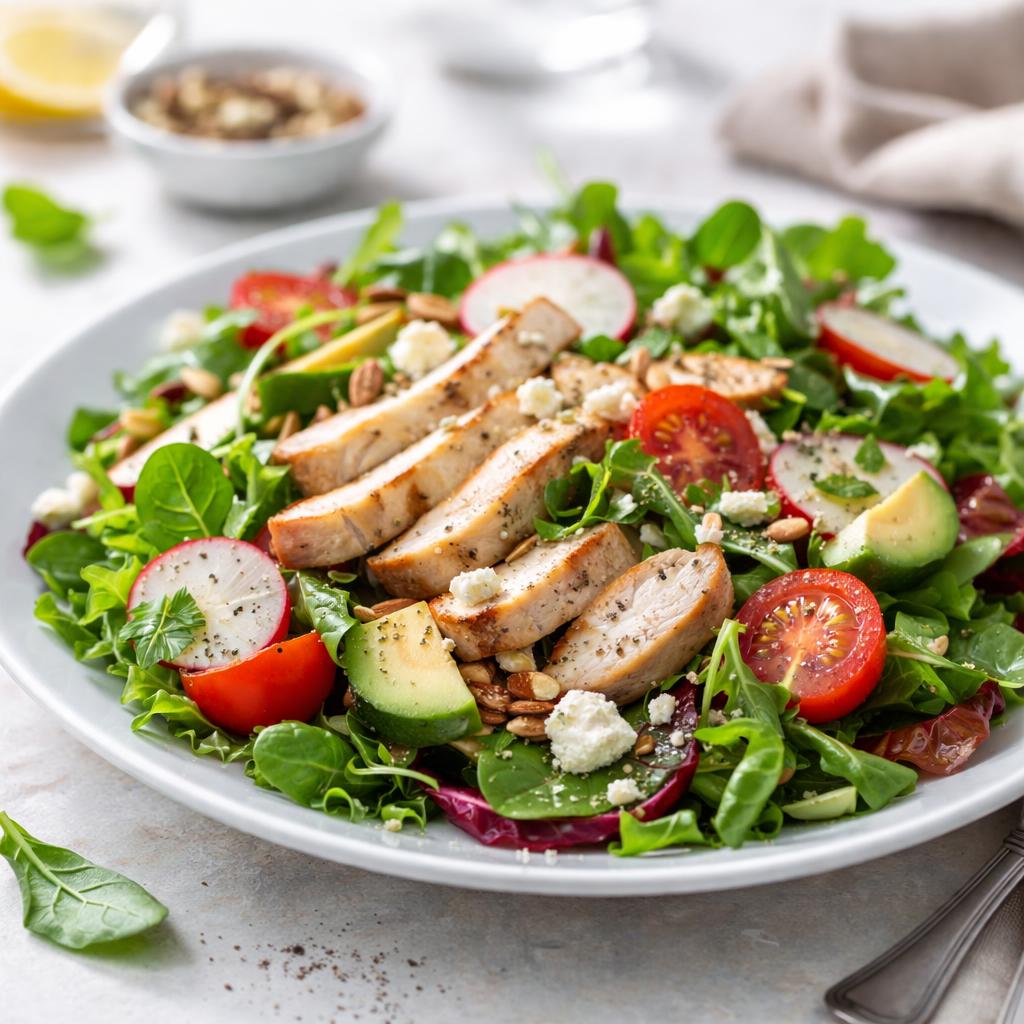
Salad
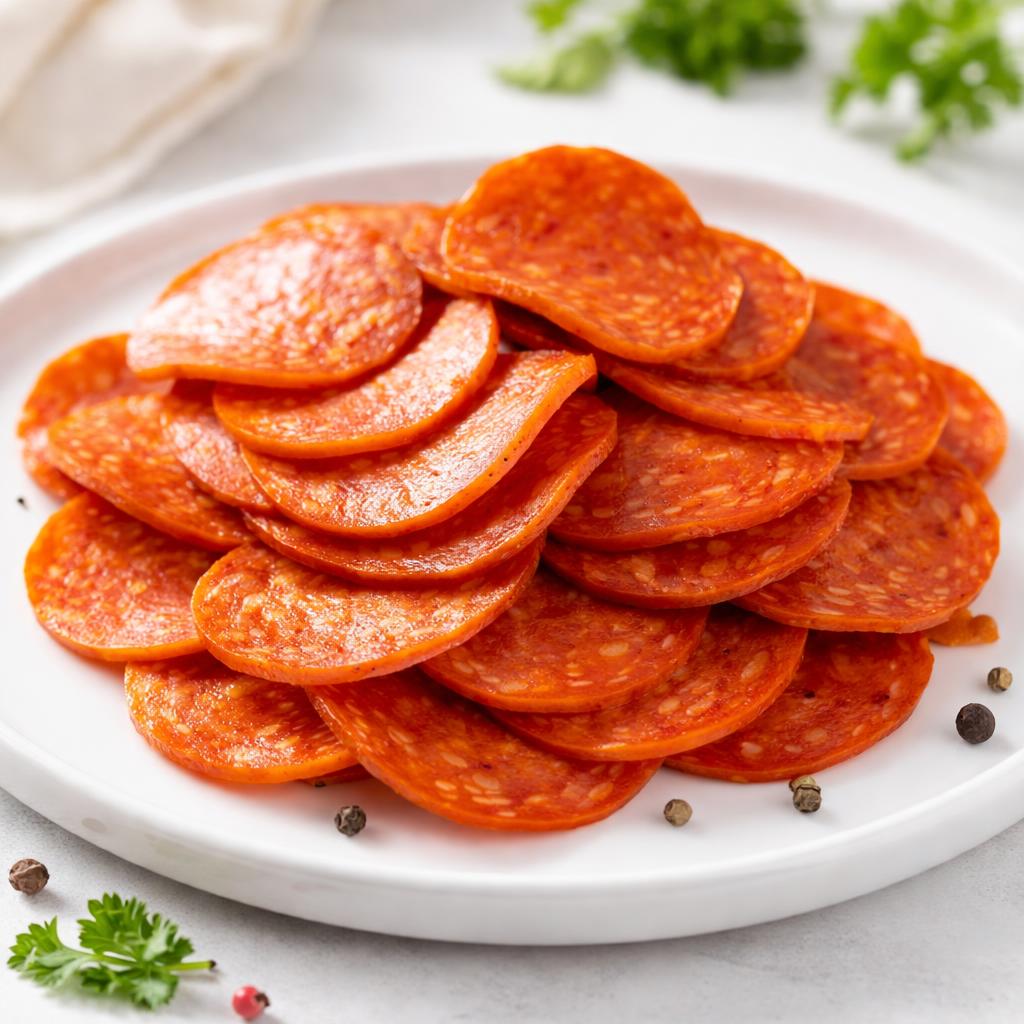
Pepperoni
🎯 Quick Verdict
Salad is significantly lower in calories and fat compared to pepperoni while providing more fiber and vitamins, making it ideal for weight management and digestive health. In contrast, pepperoni offers higher protein and healthy fats, suitable for energy and muscle repair but should be consumed in moderation due to high sodium and calorie content.

Smart Nutrition Tracking with SnapCalorie

📊 Nutritional Comparison
Macronutrients
| Nutrient | Food 1 | Food 2 | Winner |
|---|---|---|---|
| Calories | 50 (per cup) | 250 (per 1 oz) | ✓ |
| Protein | 3g | 6g | ✓ |
| Carbs | 10g | 0g | ✓ |
| Fat | 0.5g | 22g | ✓ |
| Fiber | 3g | 0g | ✓ |
Vitamins & Minerals
| Nutrient | Food 1 | Food 2 | Winner |
|---|---|---|---|
| Vitamin A | 1000 IU | 36 IU | ✓ |
| Vitamin C | 25mg | 0mg | ✓ |
| Iron | 1mg | 1.2mg | ✓ |
| Sodium | 20mg | 700mg | ✓ |
🏆 Category Winners
Protein
Pepperoni has twice the protein content of salad per serving.
Fiber
Salad provides 3g of fiber per cup while pepperoni contains none.
Calories
Salad offers only 50 calories per serving compared to 250 in pepperoni.
Vitamins
Salad is rich in vitamins A and C, while pepperoni has minimal quantities.
🥗 Diet Compatibility
Keto
Food 1: Not Compatible
Food 2: Compatible
Pepperoni fits into a keto diet while salad is higher in carbs due to certain vegetables.
Vegan
Food 1: Compatible
Food 2: Not Compatible
Salad is plant-based, while pepperoni contains animal products.
Gluten Free
Food 1: Compatible
Food 2: Compatible
Both are naturally gluten-free options.
Paleo
Food 1: Compatible
Food 2: Not Compatible
Salad fits into paleo principles; pepperoni often contains preservatives and additives.
Low Carb
Food 1: Not Compatible
Food 2: Compatible
Pepperoni is low-carb, but salad contains more carbohydrates due to vegetable content.
💪 Health Benefits Comparison
Food 1 Benefits
- Supports weight loss with fewer calories
- Rich in fiber for digestive health
- High in vitamins A and C, promoting skin and immune function
- Low sodium content supports heart health
Food 2 Benefits
- Offers complete protein for muscle repair
- Provides healthy fats for energy and satiety
- Contains iron for oxygen transport and energy production
- Low-carb, supporting keto diet requirements
✅ The Bottom Line
Salad is an excellent choice for those focused on weight management, nutrient density, and digestive health. Choose pepperoni if you're looking for a convenient protein source and fats, especially on a keto diet, but be mindful of its high sodium and calorie content.
Choose Food 1 for: Weight loss, nutrient-rich diets, heart health
Choose Food 2 for: Keto diet, post-workout protein, quick snacks


