Salad VS Peas
A detailed nutritional comparison
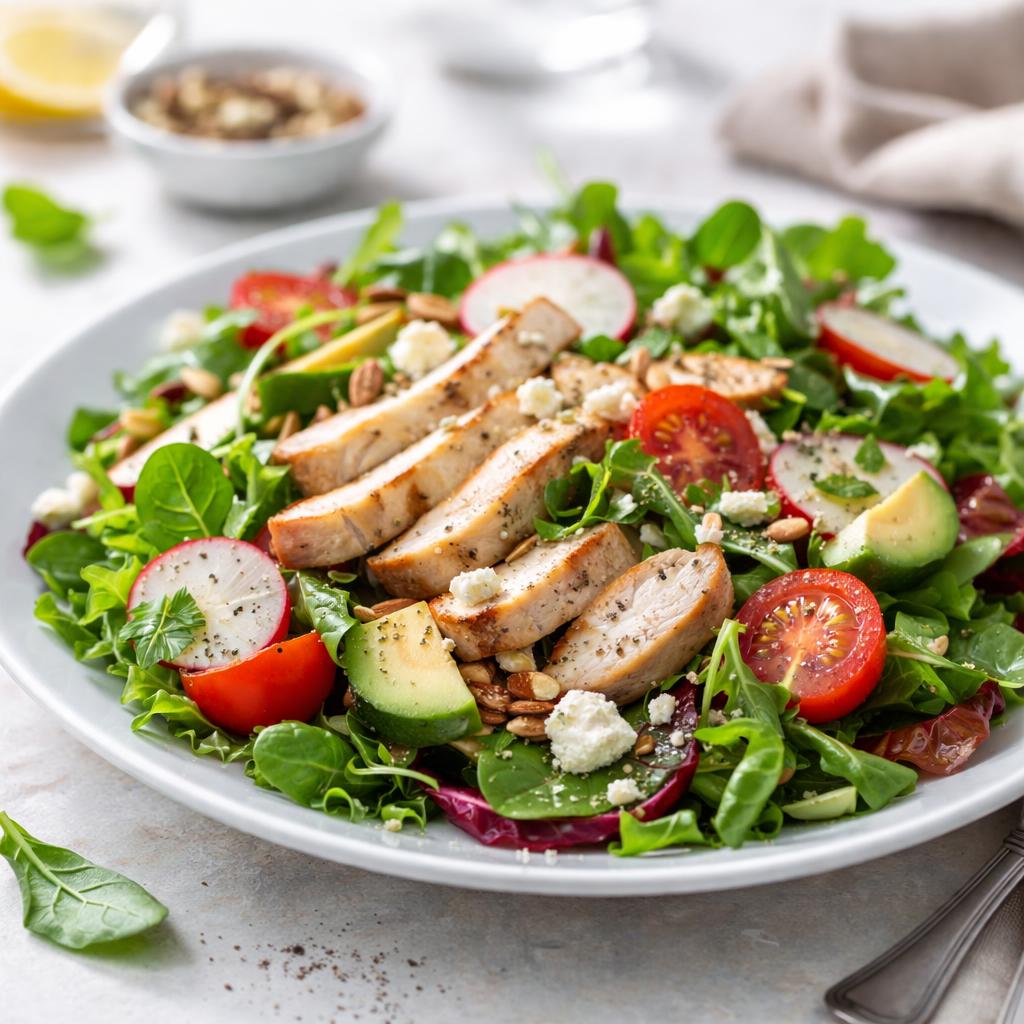
Salad
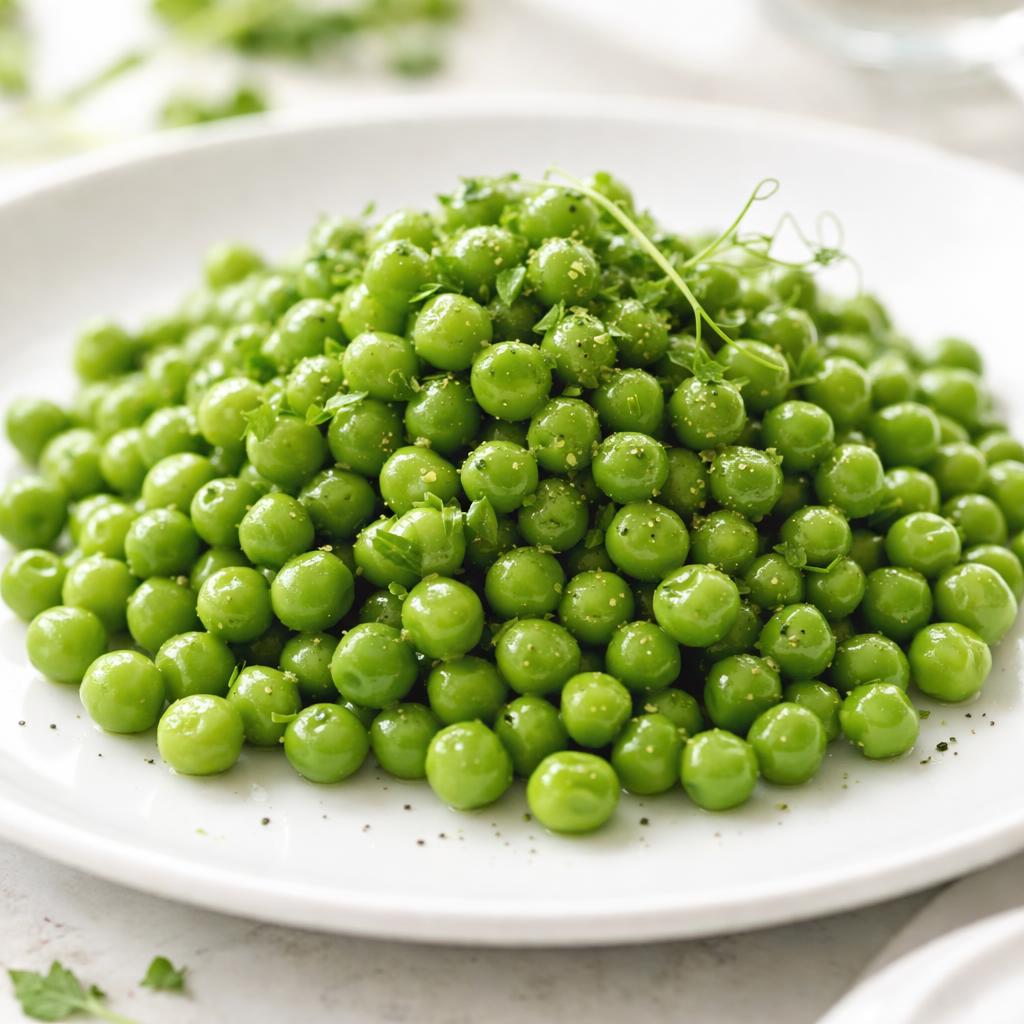
Peas
🎯 Quick Verdict
Salads and peas are both nutrient-dense choices but serve different purposes. Salad is lower in calories and great for weight loss or volume eating, whereas peas excel in protein and fiber for sustained energy. Choose salad for light meals and peas for more substantial nutrient content.

Smart Nutrition Tracking with SnapCalorie

📊 Nutritional Comparison
Macronutrients
| Nutrient | Food 1 | Food 2 | Winner |
|---|---|---|---|
| Calories | 50 | 100 | ✓ |
| Protein | 2g | 8g | ✓ |
| Carbs | 11g | 18g | ✓ |
| Fat | 0g | 1g | ✓ |
| Fiber | 1.5g | 6g | ✓ |
Vitamins & Minerals
| Nutrient | Food 1 | Food 2 | Winner |
|---|---|---|---|
| Vitamin A | 126% DV | 22% DV | ✓ |
| Vitamin C | 45% DV | 20% DV | ✓ |
| Vitamin K | 60% DV | 30% DV | ✓ |
| Iron | 0.8mg | 2.1mg | ✓ |
🏆 Category Winners
Protein
Peas provide 8g of protein per serving, significantly higher than salad's 2g.
Fiber
Peas contain 6g of fiber, four times more than salad's 1.5g.
Calories
Salad is much lower in calories at 50 per serving versus 100 for peas.
Vitamins
Salad is dominant in vitamin A, C, and K, essential for immunity, vision, and blood health.
🥗 Diet Compatibility
Keto
Food 1: Not Compatible
Food 2: Not Compatible
Both are relatively high-carb for typical keto guidelines.
Vegan
Food 1: Compatible
Food 2: Compatible
Both are plant-based foods.
Gluten Free
Food 1: Compatible
Food 2: Compatible
Neither contains gluten.
Paleo
Food 1: Compatible
Food 2: Compatible
Both are whole foods aligned with paleo principles.
Low Carb
Food 1: Partially Compatible
Food 2: Not Compatible
Salad is lower-carb at 11g compared to peas' 18g, better for restrictive low-carb diets.
💪 Health Benefits Comparison
Food 1 Benefits
- Low-calorie option for weight management
- Rich in vitamin A for eye health
- High in vitamin C for immune support
- Provides vitamin K for bone health
Food 2 Benefits
- High in protein for muscle maintenance and repair
- Excellent source of fiber for digestive health and satiety
- Contains iron to support oxygen transport in the body
- Offers antioxidants for cellular protection
✅ The Bottom Line
Salad is ideal for low-calorie, nutrient-packed meals like a base for weight loss. Peas are better for increasing protein and fiber intake, ideal for more substantial dishes or post-workout recovery. Both are versatile but shine in unique ways.
Choose Food 1 for: Weight loss, light meals, immune boost
Choose Food 2 for: Muscle recovery, digestive health, nutrient density


