Salad VS Pad Thai
A detailed nutritional comparison
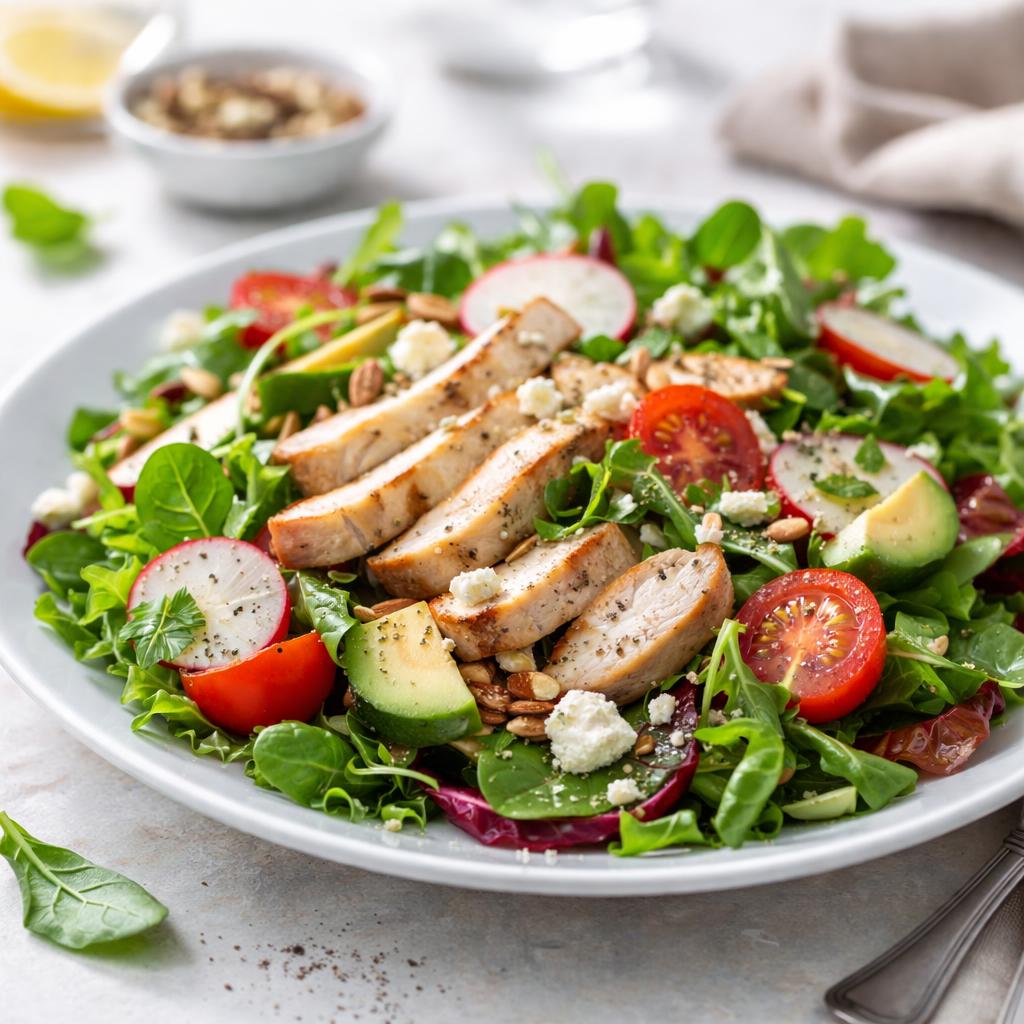
Salad
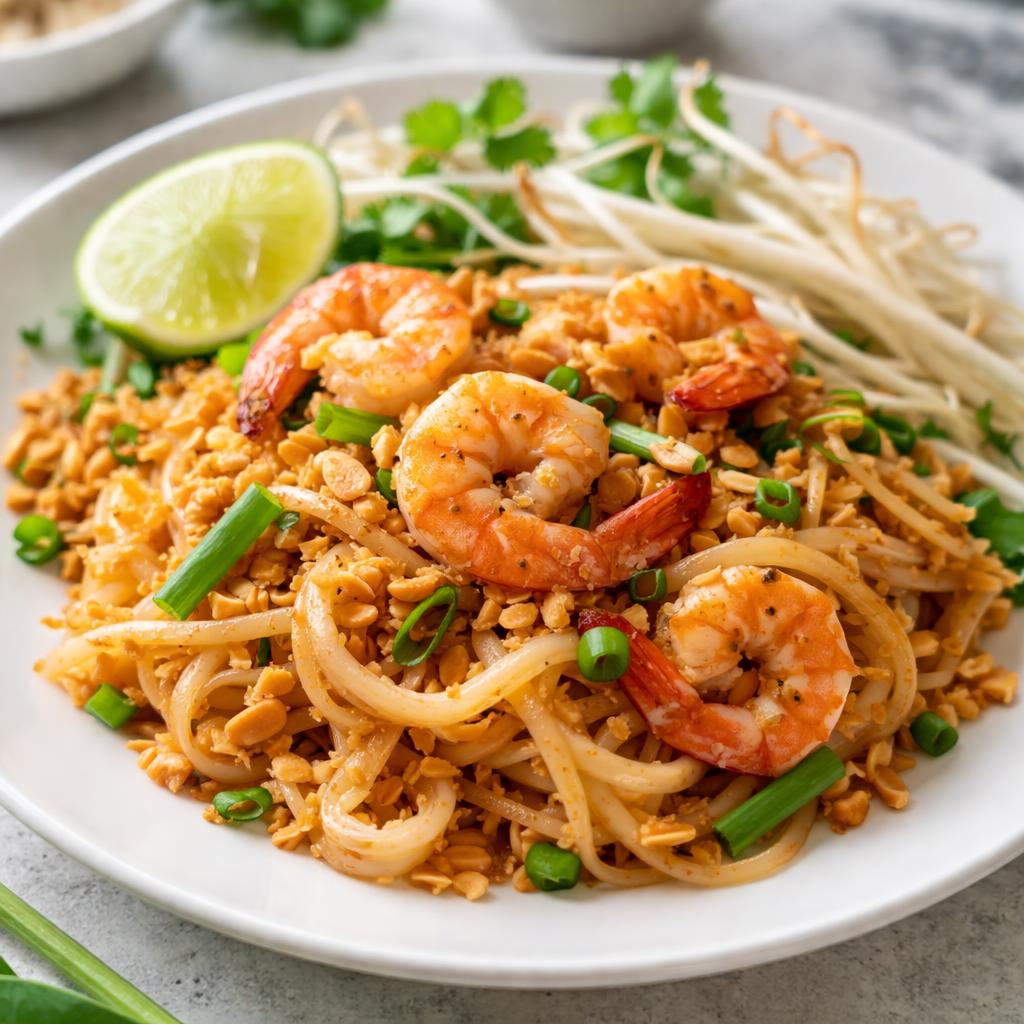
Pad Thai
🎯 Quick Verdict
Salad is significantly lower in calories and fat compared to Pad Thai, making it better for weight control and digestion. Pad Thai has more protein and carbohydrates, offering energy and muscle repair benefits, making it suitable for more active lifestyles or a post-workout meal.

Smart Nutrition Tracking with SnapCalorie

📊 Nutritional Comparison
Macronutrients
| Nutrient | Food 1 | Food 2 | Winner |
|---|---|---|---|
| Calories | 150 | 600 | ✓ |
| Protein | 4g | 14g | ✓ |
| Carbs | 10g | 60g | ✓ |
| Fat | 7g | 25g | ✓ |
| Fiber | 5g | 3g | ✓ |
Vitamins & Minerals
| Nutrient | Food 1 | Food 2 | Winner |
|---|---|---|---|
| Vitamin A | 1500 IU | 500 IU | ✓ |
| Vitamin C | 15mg | 5mg | ✓ |
| Calcium | 75mg | 50mg | ✓ |
| Iron | 1mg | 2mg | ✓ |
🏆 Category Winners
Protein
Pad Thai contains 250% more protein compared to salad, making it more suitable for muscle repair and growth.
Fiber
Salad offers approximately 67% more fiber, which aids digestion and satiety.
Calories
Salad is far lower in calories, making it a better option for weight management.
🥗 Diet Compatibility
Keto
Food 1: Not Compatible
Food 2: Not Compatible
Both foods are higher in carbohydrates, making them unsuitable for keto diets.
Vegan
Food 1: Compatible
Food 2: Not Compatible
Salad is plant-based while Pad Thai often includes eggs or fish sauce.
Gluten Free
Food 1: Compatible
Food 2: Not Compatible
Pad Thai commonly uses rice noodles with gluten-containing soy sauce.
Paleo
Food 1: Compatible
Food 2: Not Compatible
Salad fits paleo guidelines while Pad Thai includes processed ingredients.
Low-Carb
Food 1: Compatible
Food 2: Not Compatible
Salad is lower in carbohydrates (10g) compared to Pad Thai (60g).
💪 Health Benefits Comparison
Food 1 Benefits
- Rich source of fiber for digestive health
- Low calorie content suitable for weight loss
- High in vitamins A and C for skin and immune health
Food 2 Benefits
- Provides substantial protein for muscle repair
- High carbohydrate content for energy replenishment
- Contains iron for improved oxygen transport in the body
✅ The Bottom Line
Salad is the better choice if you’re aiming to lose weight or eat light, especially if you're on a vegan or paleo diet. Pad Thai is ideal for active individuals looking for energy and protein post-workout, but higher in calories and fat.
Choose Food 1 for: Light meals, digestion support, weight loss
Choose Food 2 for: Energy replenishment, muscle repair, flavor-rich meals


