Salad VS Orange Juice
A detailed nutritional comparison
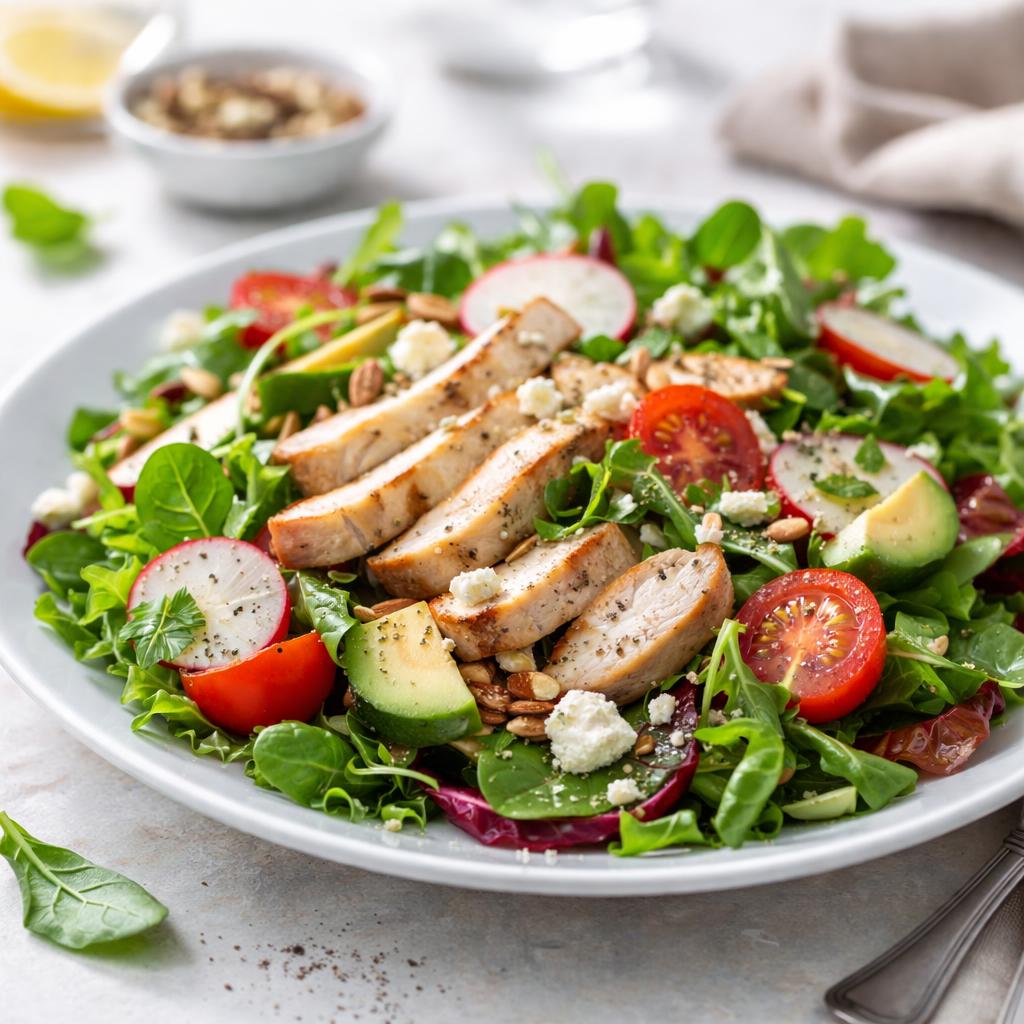
Salad

Orange Juice
🎯 Quick Verdict
Salad outperforms orange juice in protein, fiber, and calorie content, making it a lighter and more nutrient-rich choice for weight management and digestive health. Orange juice, however, excels in providing quick energy and vitamin C, making it a convenient option for hydration and immune support.

Smart Nutrition Tracking with SnapCalorie

📊 Nutritional Comparison
Macronutrients
| Nutrient | Food 1 | Food 2 | Winner |
|---|---|---|---|
| Calories | 80 | 110 | ✓ |
| Protein | 2g | 1g | ✓ |
| Carbs | 16g | 26g | ✓ |
| Fat | 1g | 0g | ✓ |
| Fiber | 3g | 0g | ✓ |
Vitamins & Minerals
| Nutrient | Food 1 | Food 2 | Winner |
|---|---|---|---|
| Vitamin C | 15mg | 70mg | ✓ |
| Vitamin A | 150mcg | 200mcg | ✓ |
| Calcium | 30mg | 20mg | ✓ |
| Iron | 0.7mg | 0.2mg | ✓ |
🏆 Category Winners
Protein
Food1 (salad) contains double the protein compared to food2 (orange juice).
Fiber
Food1 provides 3g of fiber per serving, while food2 has negligible fiber.
Calories
Food1 has 27% fewer calories than food2.
Vitamins
Food2 is significantly higher in Vitamin C and delivers more Vitamin A.
🥗 Diet Compatibility
Keto
Food 1: Not Compatible
Food 2: Not Compatible
Both foods are relatively high in carbohydrates and unsuitable for strict keto diets.
Vegan
Food 1: Compatible
Food 2: Compatible
Both foods are fully plant-based.
Gluten Free
Food 1: Compatible
Food 2: Compatible
Neither food contains gluten.
Paleo
Food 1: Compatible
Food 2: Compatible
Both are unprocessed and align with paleo diet principles.
Low-Carb
Food 1: Not Compatible
Food 2: Not Compatible
Both foods contain higher carbohydrates, making them unsuitable for strict low-carb diets.
💪 Health Benefits Comparison
Food 1 Benefits
- Provides fiber for healthy digestion
- Contains moderate protein for satiety
- Low in calories, supporting weight management
Food 2 Benefits
- High in Vitamin C for immune function
- Hydrating and refreshing
- Boosts antioxidant intake to fight free radicals
✅ The Bottom Line
Salad is the better choice for nutrient density, weight management, and digestive health, while orange juice serves as a quick energy booster and immune supporter due to its high Vitamin C content. Choose salad for meals, especially on a calorie-conscious diet, and opt for orange juice as a convenient, hydrating snack or post-workout beverage.
Choose Food 1 for: Weight management, digestive health, balanced meals
Choose Food 2 for: Hydration, immune support, quick energy boost


