Salad VS Orange
A detailed nutritional comparison
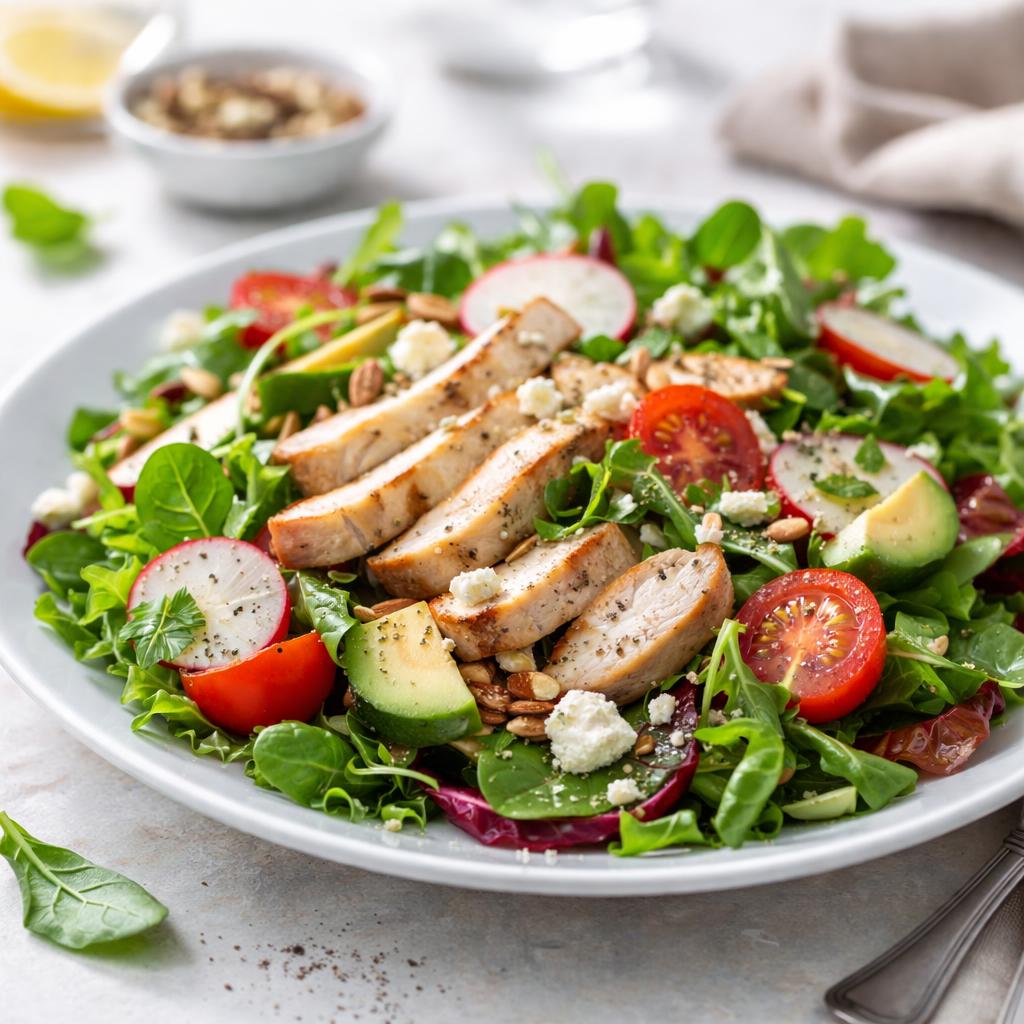
Salad
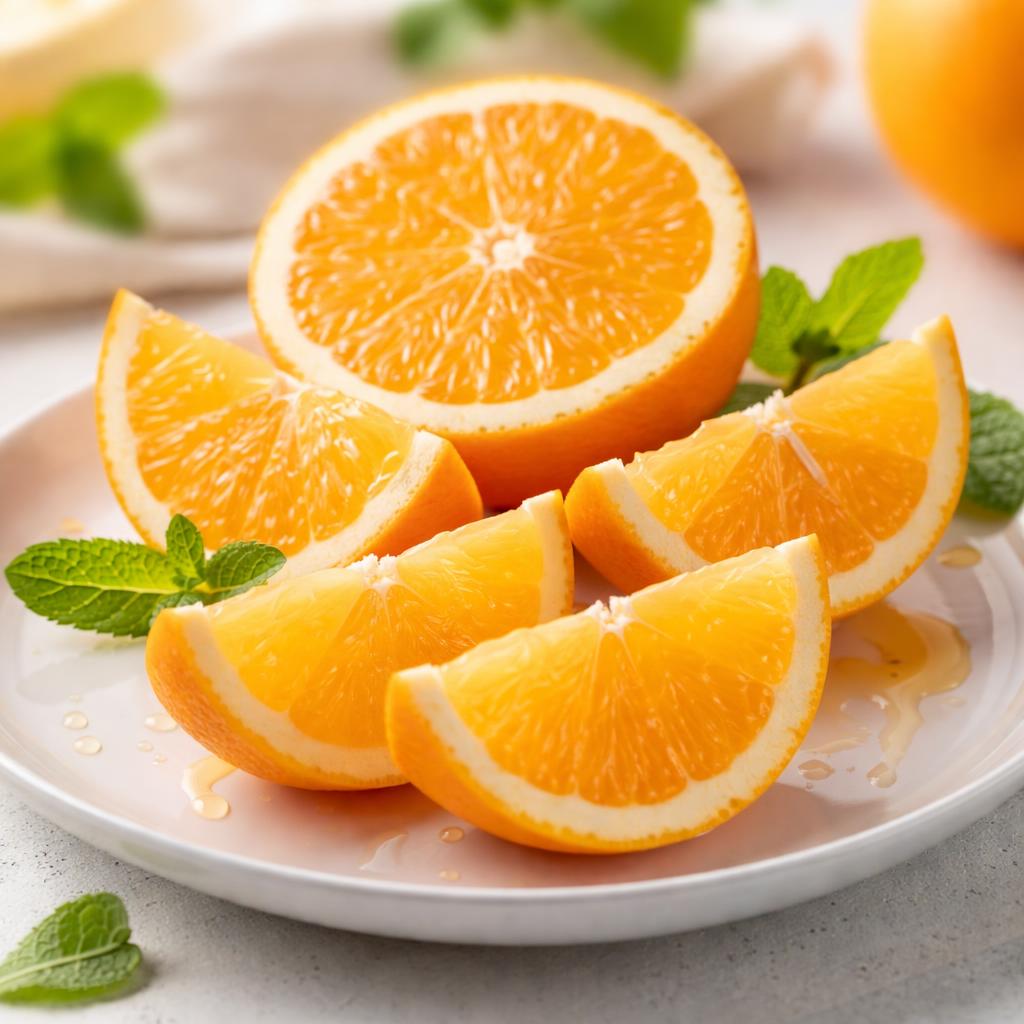
Orange
🎯 Quick Verdict
Salad and orange differ significantly in nutritional profiles. Salad offers higher protein (2g vs 1g) and fiber (3g vs 2g), making it great for digestion and muscle maintenance. Oranges are rich in vitamin C, providing antioxidants and immune support, with slightly more carbs and sugars. Both have low calorie counts, making them diet-friendly and nutritious options.

Smart Nutrition Tracking with SnapCalorie

📊 Nutritional Comparison
Macronutrients
| Nutrient | Food 1 | Food 2 | Winner |
|---|---|---|---|
| Calories | 50 | 62 | ✓ |
| Protein | 2g | 1g | ✓ |
| Carbs | 9g | 15g | ✓ |
| Fat | 0.5g | 0.2g | ✓ |
| Fiber | 3g | 2g | ✓ |
Vitamins & Minerals
| Nutrient | Food 1 | Food 2 | Winner |
|---|---|---|---|
| Vitamin C | 18mg | 70mg | ✓ |
| Vitamin A | 250mcg | 15mcg | ✓ |
| Calcium | 18mg | 40mg | ✓ |
| Iron | 1mg | 0.1mg | ✓ |
🏆 Category Winners
Protein
Salad has double the protein content of an orange.
Fiber
Salad contains 50% more fiber compared to an orange, aiding digestion.
Calories
Both are low in calories (under 65 per serving).
Vitamins
Orange is exceptionally high in Vitamin C and provides more calcium overall.
🥗 Diet Compatibility
Keto
Food 1: Compatible
Food 2: Not Compatible
Salad is lower in carbs compared to orange, making it keto-friendly.
Vegan
Food 1: Compatible
Food 2: Compatible
Both foods are plant-based and suitable for a vegan diet.
Gluten Free
Food 1: Compatible
Food 2: Compatible
Neither contains gluten, making them naturally gluten-free.
Paleo
Food 1: Compatible
Food 2: Compatible
Both are whole, unprocessed foods that fit into a paleo diet.
Low-Carb
Food 1: Compatible
Food 2: Not Compatible
Salad has fewer carbs (9g per serving) compared to the higher-carb orange.
💪 Health Benefits Comparison
Food 1 Benefits
- Supports digestion due to its high fiber content
- Low-calorie option suitable for weight management
- Rich in vitamins A and iron for eye health and energy production
Food 2 Benefits
- Boosts immune health due to its high Vitamin C levels
- Provides natural sugars for quick energy
- Contains calcium for strong bones and teeth
✅ The Bottom Line
Salad is an excellent choice for those seeking higher protein and fiber content, ideal for low-carb diets and weight management. Orange shines in its vitamin C content, making it perfect for immune support and hydration. Both are great additions to a balanced diet, depending on your specific nutritional goals.
Choose Food 1 for: Low-carb diets, digestion, weight management
Choose Food 2 for: Immune health, hydration, quick energy


