Salad VS Onions
A detailed nutritional comparison
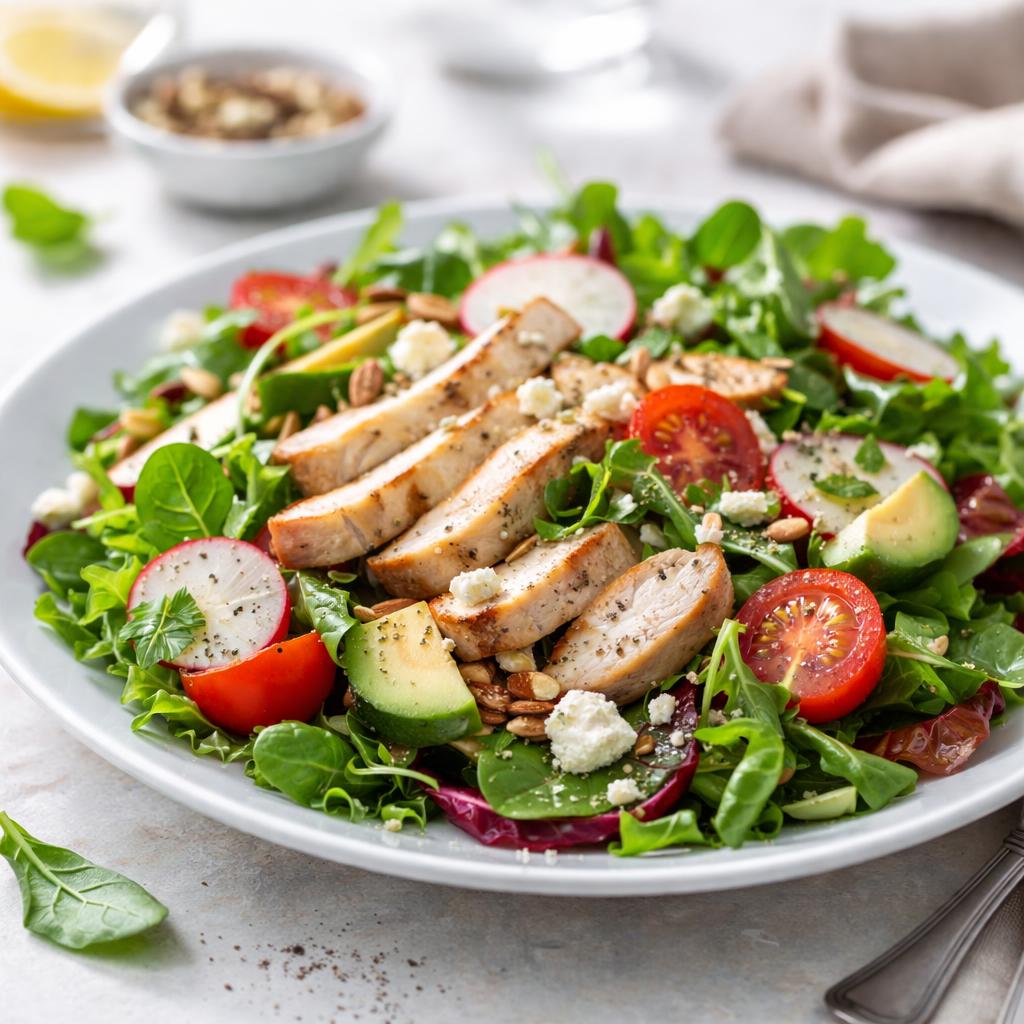
Salad
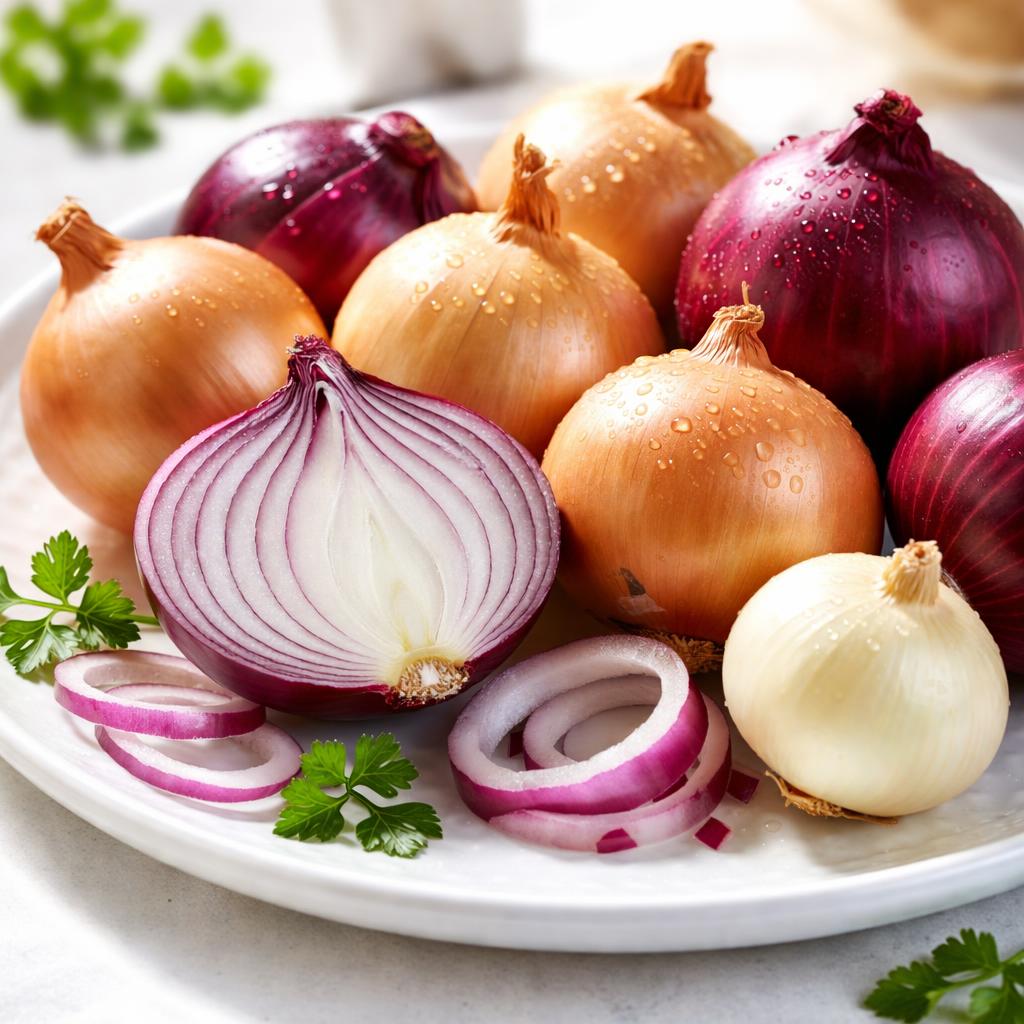
Onions
🎯 Quick Verdict
Salad is a lower-calorie, nutrient-rich choice that offers higher protein and is more versatile for weight management diets. Onions shine in fiber content and add flavor along with antioxidants, making them great for digestive and heart health. Both are vegan-friendly and complementary in meals.

Smart Nutrition Tracking with SnapCalorie

📊 Nutritional Comparison
Macronutrients
| Nutrient | Food 1 | Food 2 | Winner |
|---|---|---|---|
| Calories | 50 per cup | 64 per cup | ✓ |
| Protein | 3g per cup | 1g per cup | ✓ |
| Carbs | 10g per cup | 15g per cup | ✓ |
| Fat | 0.5g per cup | 0.2g per cup | ✓ |
| Fiber | 2g per cup | 3g per cup | ✓ |
Vitamins & Minerals
| Nutrient | Food 1 | Food 2 | Winner |
|---|---|---|---|
| Vitamin C | 18mg per cup | 7mg per cup | ✓ |
| Vitamin A | 4500IU per cup | 0IU per cup | ✓ |
| Potassium | 120mg per cup | 234mg per cup | ✓ |
🏆 Category Winners
Protein
Salad has 3 times the protein compared to onions.
Fiber
Onions have 50% more fiber per serving.
Calories
Salad is 22% lower in calories.
Vitamins
Salad has much higher levels of Vitamin C and A.
🥗 Diet Compatibility
Keto
Food 1: Compatible
Food 2: Compatible
Both are low in net carbs.
Vegan
Food 1: Compatible
Food 2: Compatible
Both are plant-based foods.
Gluten Free
Food 1: Compatible
Food 2: Compatible
Neither contains gluten.
Paleo
Food 1: Compatible
Food 2: Compatible
Both fit paleo guidelines.
Low Carb
Food 1: Compatible
Food 2: Moderately Compatible
Salad has lower carbs, while onions are slightly higher but still manageable.
💪 Health Benefits Comparison
Food 1 Benefits
- Low in calories, supporting weight loss
- Rich in Vitamin A for healthy vision
- Contains Vitamin C for immune system functioning
- Hydrating due to high water content
Food 2 Benefits
- Higher fiber content for improved digestion
- Rich in antioxidants, supporting heart health
- Contains sulfur compounds promoting detoxification
- Good source of potassium for electrolyte balance
✅ The Bottom Line
Salad is best for weight management, hydration, and micronutrient richness, while onions excel in digestive health and antioxidant benefits. Both are healthy additions to a balanced meal and complement each other well in recipes.
Choose Food 1 for: Weight loss, nutrient density, refreshing salads
Choose Food 2 for: Flavor enhancement, digestive health, heart health


