Salad VS Oil
A detailed nutritional comparison
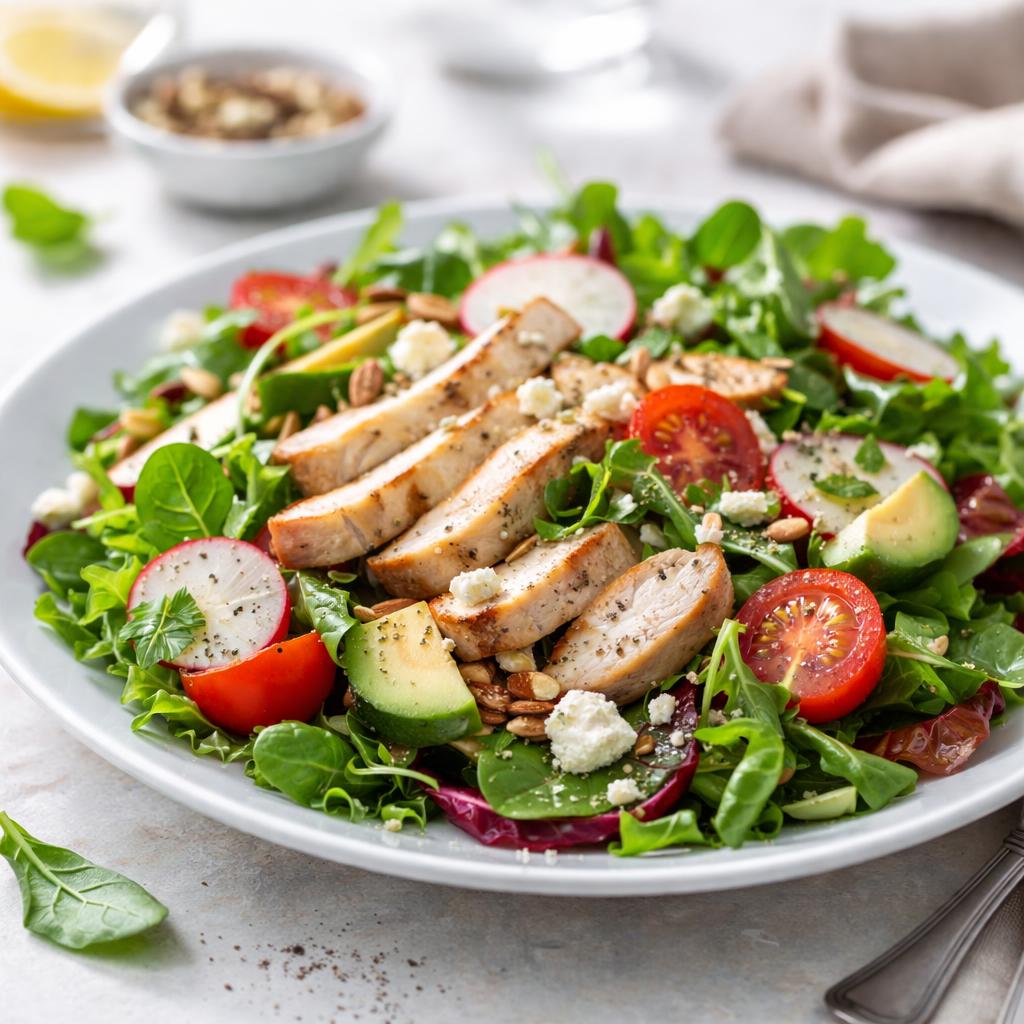
Salad
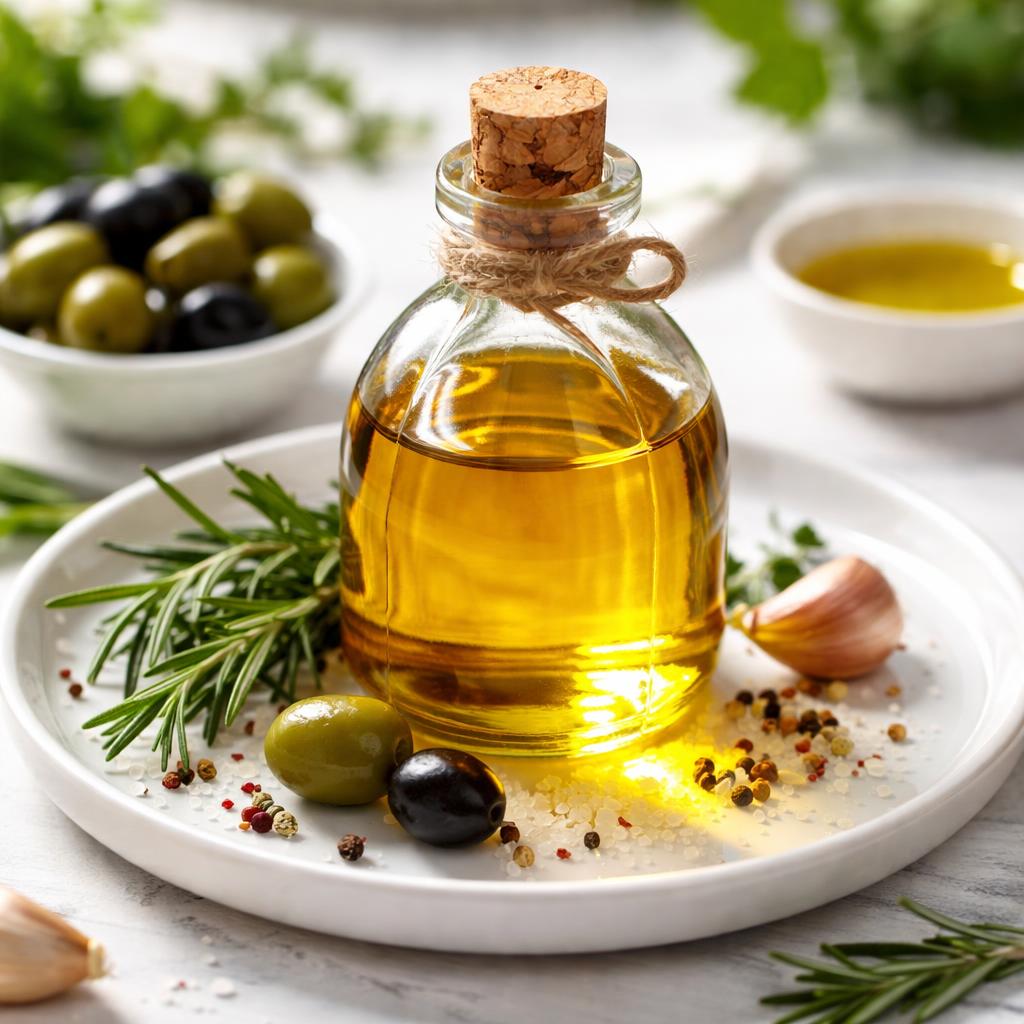
Oil
🎯 Quick Verdict
Salad is nutrient-dense, lower in calories, and offers fiber and protein, making it a versatile choice for weight management and overall health. Oil, while calorie-dense, is high in healthy fats and ideal for enhancing flavor and promoting heart health in moderation. Consider your dietary goals before choosing between these foods.

Smart Nutrition Tracking with SnapCalorie

📊 Nutritional Comparison
Macronutrients
| Nutrient | Food 1 | Food 2 | Winner |
|---|---|---|---|
| Calories | 50 per cup | 120 per tablespoon | ✓ |
| Protein | 2g per cup | 0g per tablespoon | ✓ |
| Carbs | 10g per cup | 0g per tablespoon | ✓ |
| Fat | 1g per cup | 14g per tablespoon | ✓ |
| Fiber | 3g per cup | 0g per tablespoon | ✓ |
Vitamins & Minerals
| Nutrient | Food 1 | Food 2 | Winner |
|---|---|---|---|
| Vitamin A | 1500 IU per cup | 0 IU per tablespoon | ✓ |
| Vitamin C | 20mg per cup | 0mg per tablespoon | ✓ |
| Vitamin E | 0.5mg per cup | 2mg per tablespoon | ✓ |
| Iron | 1mg per cup | 0mg per tablespoon | ✓ |
🏆 Category Winners
Protein
Salad contains 2 grams of protein per cup, while oil has none.
Fiber
Salad is rich in fiber with 3 grams per cup, while oil offers none.
Calories
Salad is a low-calorie food with only 50 calories per serving compared to oil's 120 calories per tablespoon.
Vitamins
Salad provides a broader range of vitamins, including A, C, and iron, while oil is mainly rich in vitamin E.
🥗 Diet Compatibility
Keto
Food 1: Not Compatible
Food 2: Compatible
Oil is keto-friendly due to its high fat content, while salad may be too high in carbohydrates depending on the type of vegetables used.
Vegan
Food 1: Compatible
Food 2: Compatible
Both salad and oil are plant-based foods suitable for a vegan diet.
Gluten Free
Food 1: Compatible
Food 2: Compatible
Neither salad nor oil contain gluten naturally.
Paleo
Food 1: Compatible
Food 2: Compatible
Both foods fit into the paleo diet framework.
Low-Carb
Food 1: Not Compatible
Food 2: Compatible
Oil contains no carbs, while salad has around 10 grams of carbohydrates per serving due to vegetables.
💪 Health Benefits Comparison
Food 1 Benefits
- Rich in fiber to promote healthy digestion
- Low in calories, aiding in weight management
- Provides vitamin A for eye health
- Contains vitamin C for immune support
Food 2 Benefits
- High in monounsaturated fats for heart health
- Rich in vitamin E, which acts as an antioxidant
- Enhances absorption of fat-soluble vitamins from other foods
- Can support skin health when consumed in moderation
✅ The Bottom Line
Salad is ideal for weight loss, fiber intake, and vitamin consumption, making it a well-rounded option for balanced meals or light snacks. Oil is best used as a healthy fat source, particularly in ketogenic or paleo diets, but should be consumed sparingly due to its calorie density. Choose salad for overall health and oil for flavor enhancement and heart-healthy fats.
Choose Food 1 for: Weight loss, fiber-rich meals, nutrient-dense snacks
Choose Food 2 for: Keto diets, healthy fat source, flavor enhancement


