Salad VS Mushroom
A detailed nutritional comparison
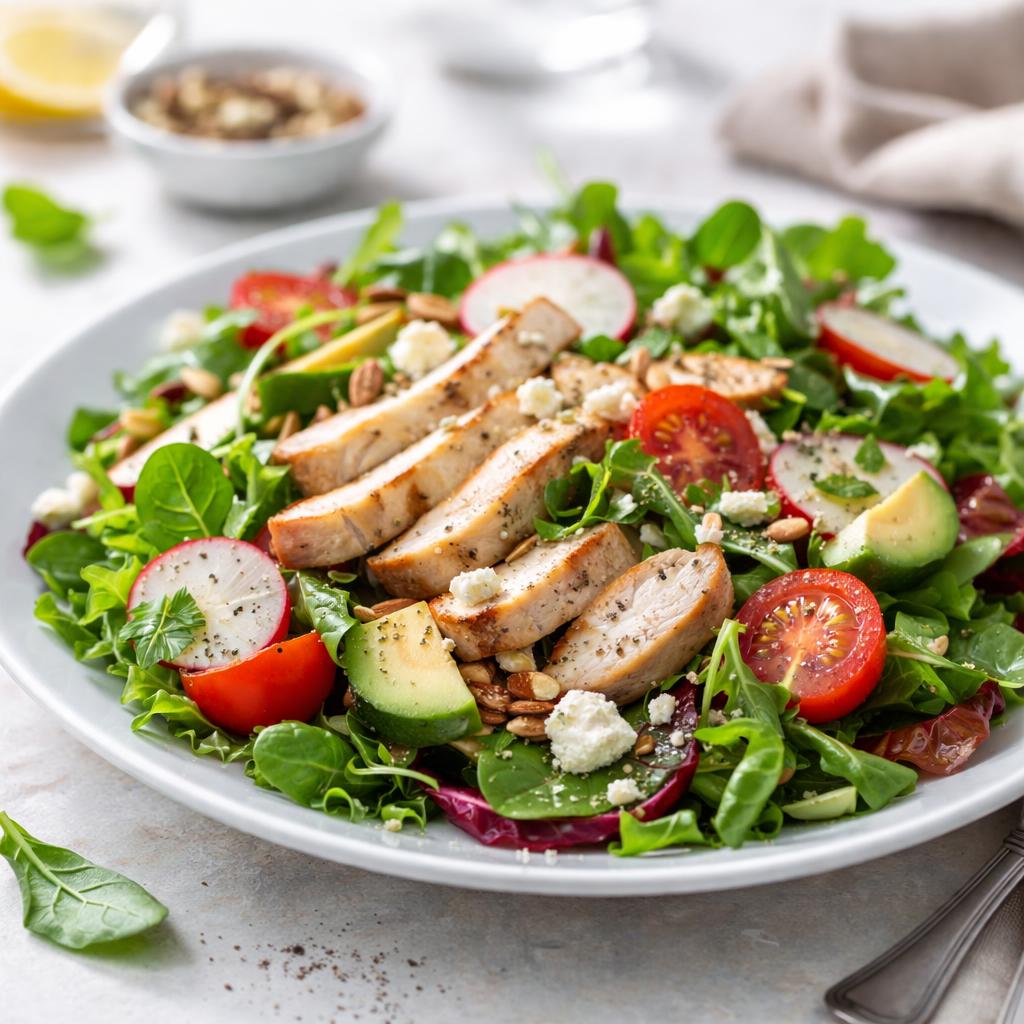
Salad
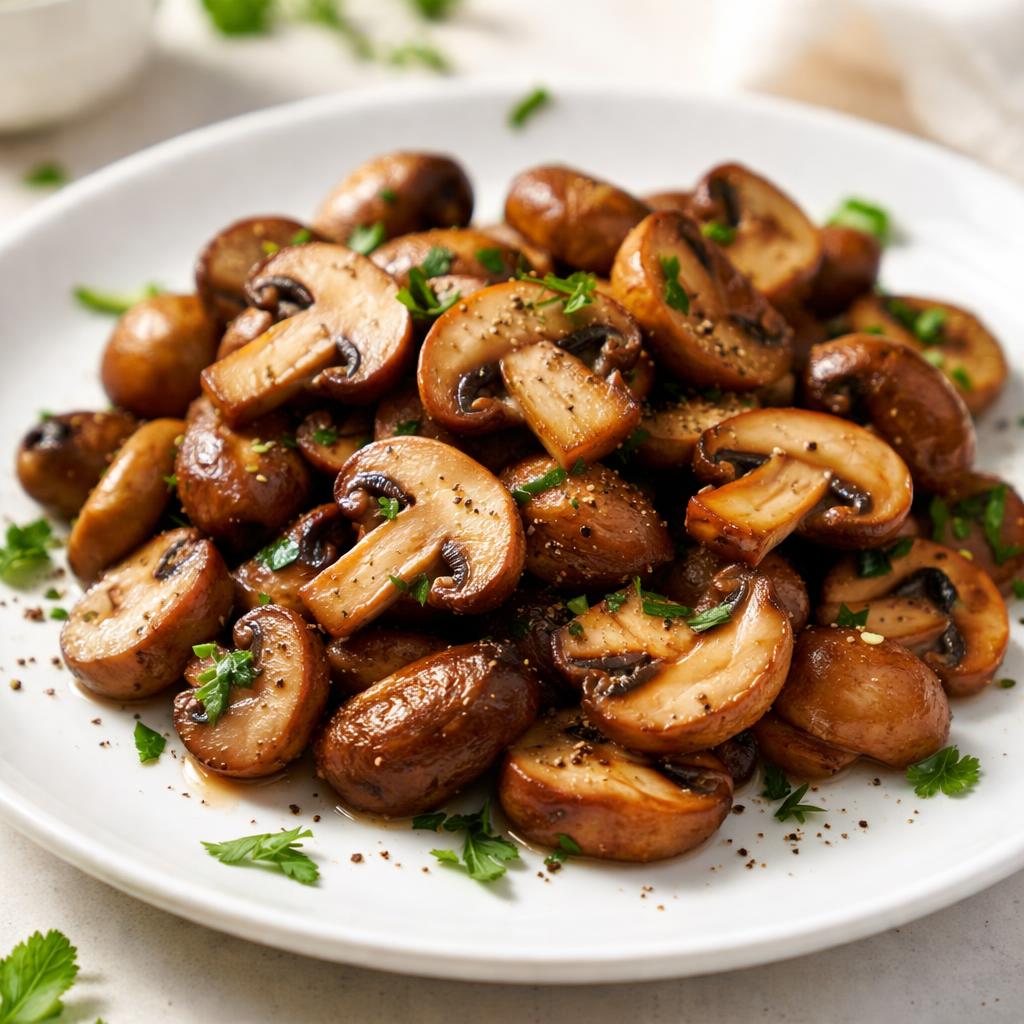
Mushroom
🎯 Quick Verdict
Salad is lower in calories and has more fiber, making it ideal for weight management and digestive health. Mushrooms have higher protein content and offer additional vitamins and minerals, such as selenium and vitamin D, which contribute to overall wellness. Both provide unique health benefits depending on dietary goals.

Smart Nutrition Tracking with SnapCalorie

📊 Nutritional Comparison
Macronutrients
| Nutrient | Food 1 | Food 2 | Winner |
|---|---|---|---|
| Calories | 50 (average for mixed greens) | 22 (per 100g mushrooms) | ✓ |
| Protein | 2g | 3g | ✓ |
| Carbs | 10g | 3g | ✓ |
| Fat | 0.5g | 0.3g | ✓ |
| Fiber | 3g | 1g | ✓ |
Vitamins & Minerals
| Nutrient | Food 1 | Food 2 | Winner |
|---|---|---|---|
| Vitamin D | 0mcg | 3mcg | ✓ |
| Vitamin C | 39mg | 0mg | ✓ |
| Selenium | 0mcg | 6mcg | ✓ |
| Iron | 1.6mg | 0.5mg | ✓ |
🏆 Category Winners
Protein
Mushrooms have 50% more protein per serving than salad greens.
Fiber
Salad provides three times as much fiber as mushrooms, supporting digestion.
Calories
Mushrooms are significantly lower in calories, making them a lighter choice.
Vitamins
Food1 excels in Vitamin C and Iron, while Food2 is rich in Vitamin D and Selenium.
🥗 Diet Compatibility
Keto
Food 1: Compatible
Food 2: Compatible
Both are low-carb, fitting well into a keto diet.
Vegan
Food 1: Compatible
Food 2: Compatible
Both foods are plant-based and suitable for vegan diets.
Gluten Free
Food 1: Compatible
Food 2: Compatible
Neither contains gluten, making them safe for gluten-free diets.
Paleo
Food 1: Compatible
Food 2: Compatible
Both foods are minimally processed and paleo-friendly.
Low-Carb
Food 1: Compatible
Food 2: Highly Compatible
Food2 is extremely low in carbs (3g/100g), perfect for strict low-carb diets.
💪 Health Benefits Comparison
Food 1 Benefits
- Rich in fiber to promote gut health and regular digestion
- Loaded with Vitamin C for immune system support and skin health
- Low in calories, ideal for weight management
Food 2 Benefits
- Good source of protein for muscle growth and repair
- Provides Selenium for antioxidant benefits and thyroid function
- Contains Vitamin D, which supports bone health and immune function
✅ The Bottom Line
Salad is a better choice for fiber intake and weight management, while mushrooms excel in protein and key minerals like Selenium and Vitamin D. Consider combining both for a nutrient-dense meal. Salad works great as a light, high-fiber side, and mushrooms suit dishes requiring richer flavor and protein boosts.
Choose Food 1 for: Weight loss, digestion, Vitamin C intake
Choose Food 2 for: Muscle repair, immune support, and bone health


