Salad VS Mini Cucumber
A detailed nutritional comparison
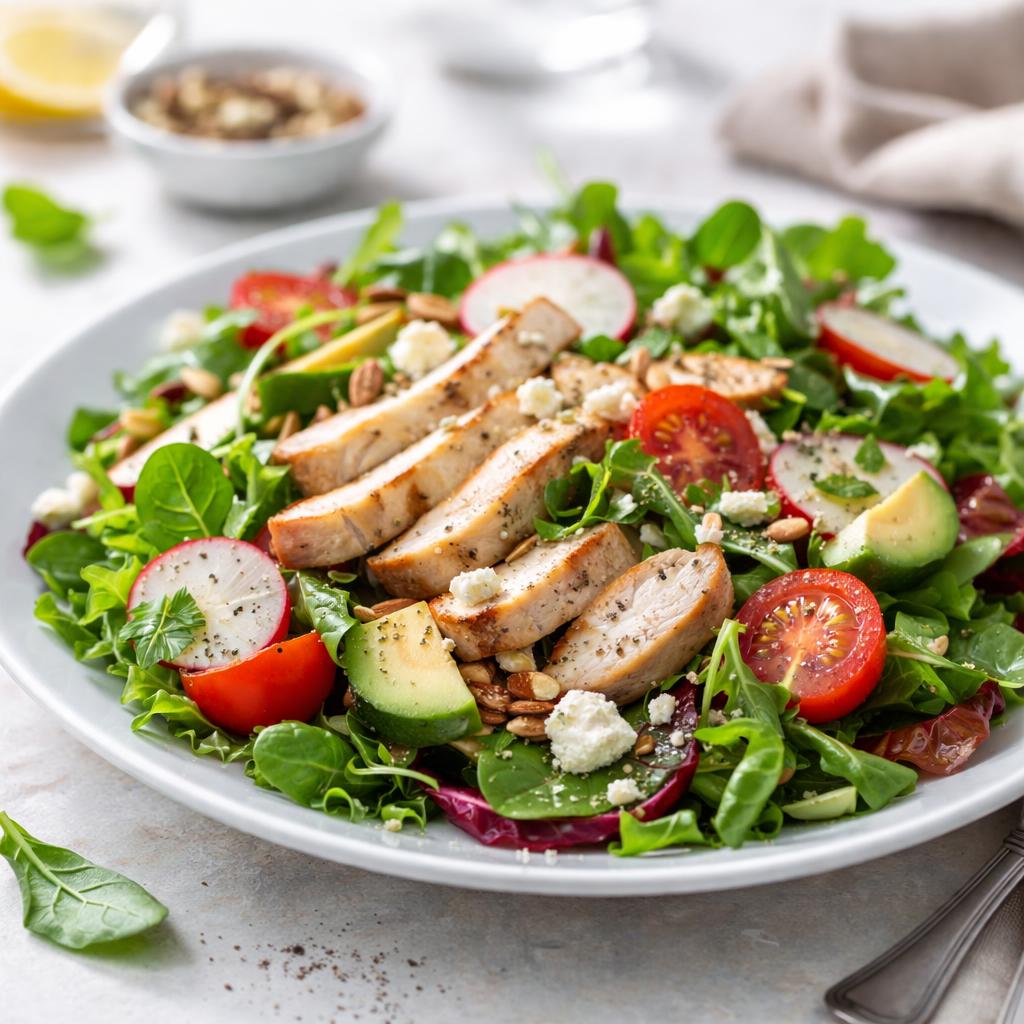
Salad
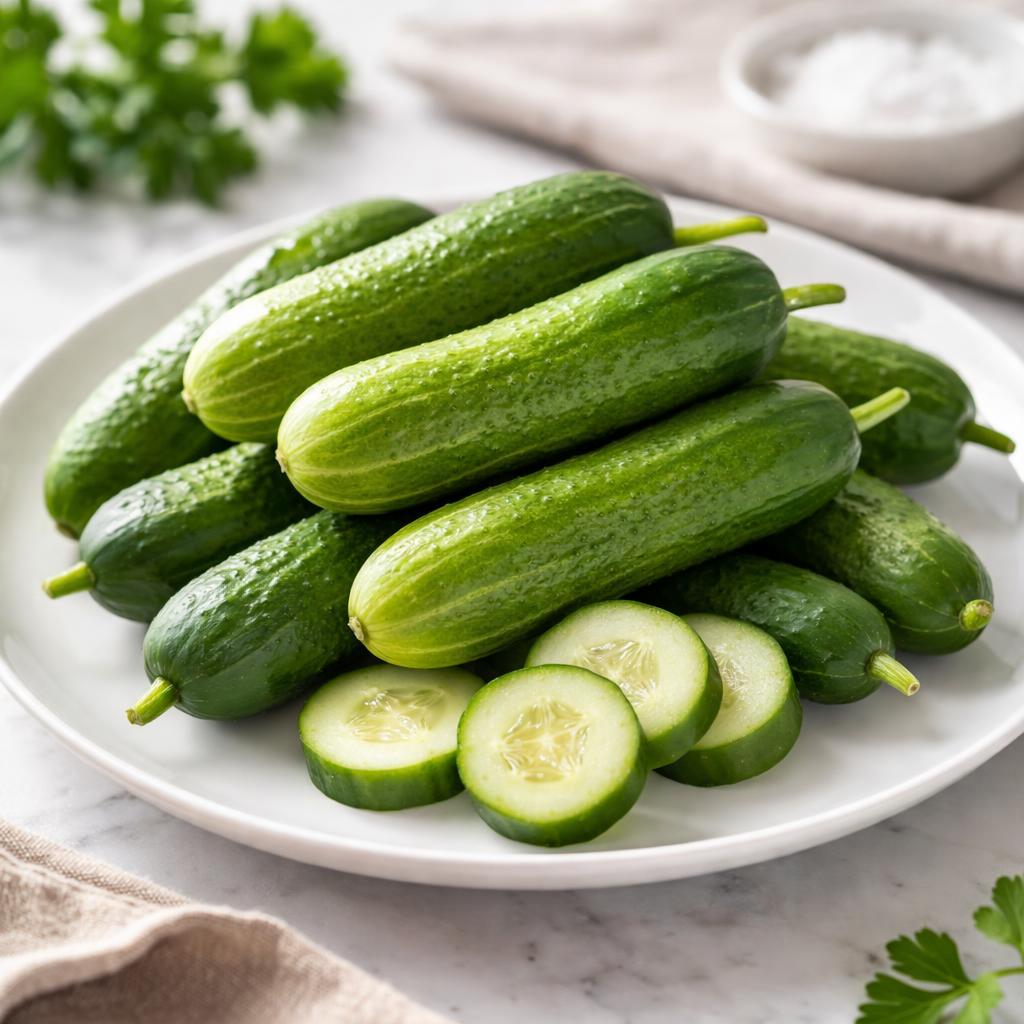
Mini Cucumber
🎯 Quick Verdict
Both salad and mini cucumber are low-calorie, nutrient-dense options. Salad stands out for its higher protein, fiber, and vitamin content, making it better for overall nutrient density. Mini cucumber, while lighter nutritionally, is hydrating and ideal for snacking or pairing with dips.

Smart Nutrition Tracking with SnapCalorie

📊 Nutritional Comparison
Macronutrients
| Nutrient | Food 1 | Food 2 | Winner |
|---|---|---|---|
| Calories | 15 per cup | 16 per mini cucumber (~100g) | − |
| Protein | 1.2g per cup | 0.8g per cucumber | ✓ |
| Carbs | 3g per cup | 3.6g per cucumber | ✓ |
| Fat | 0.1g per cup | 0.1g per cucumber | − |
| Fiber | 1.5g per cup | 0.5g per cucumber | ✓ |
Vitamins & Minerals
| Nutrient | Food 1 | Food 2 | Winner |
|---|---|---|---|
| Vitamin C | 9mg per cup | 4mg per cucumber | ✓ |
| Vitamin K | 60mcg per cup | 17mcg per cucumber | ✓ |
| Potassium | 170mg per cup | 193mg per cucumber | ✓ |
🏆 Category Winners
Protein
Salad provides 50% more protein per serving.
Fiber
Salad delivers 3x the fiber of mini cucumber.
Calories
Both contain very low calories per serving.
Vitamins
Higher in Vitamin C and Vitamin K for immunity and bone health benefits.
🥗 Diet Compatibility
Keto
Food 1: Compatible
Food 2: Compatible
Both are low-carb and fit into keto-friendly diets.
Vegan
Food 1: Compatible
Food 2: Compatible
Both are plant-based and vegan-friendly.
Gluten Free
Food 1: Compatible
Food 2: Compatible
Neither contains gluten.
Paleo
Food 1: Compatible
Food 2: Compatible
Both align with paleo eating principles.
Low Carb
Food 1: Compatible
Food 2: Compatible
Both foods are very low in carbohydrates.
💪 Health Benefits Comparison
Food 1 Benefits
- Good source of fiber to support digestion.
- Rich in Vitamin K for bone health and blood clotting.
- Provides Vitamin C for boosting immunity.
- Extremely low in calories for weight management.
Food 2 Benefits
- Hydrating due to its high water content (95%).
- Provides potassium for heart and muscle function.
- Low in calories, great for snacking while controlling weight.
- Contains antioxidants for skin and overall health.
✅ The Bottom Line
Choose salad for a more nutrient-dense option with higher protein, fiber, and vitamins, ideal for filling meals or adding to a healthy diet. Mini cucumber is an outstanding hydrating snack, perfect for pairing with dips or as a refreshing side in summer meals.
Choose Food 1 for: Nutrient-dense diets, digestive health, salads for meals
Choose Food 2 for: Hydration, quick snacks, pairing with dips


