Salad VS Mayonnaise
A detailed nutritional comparison
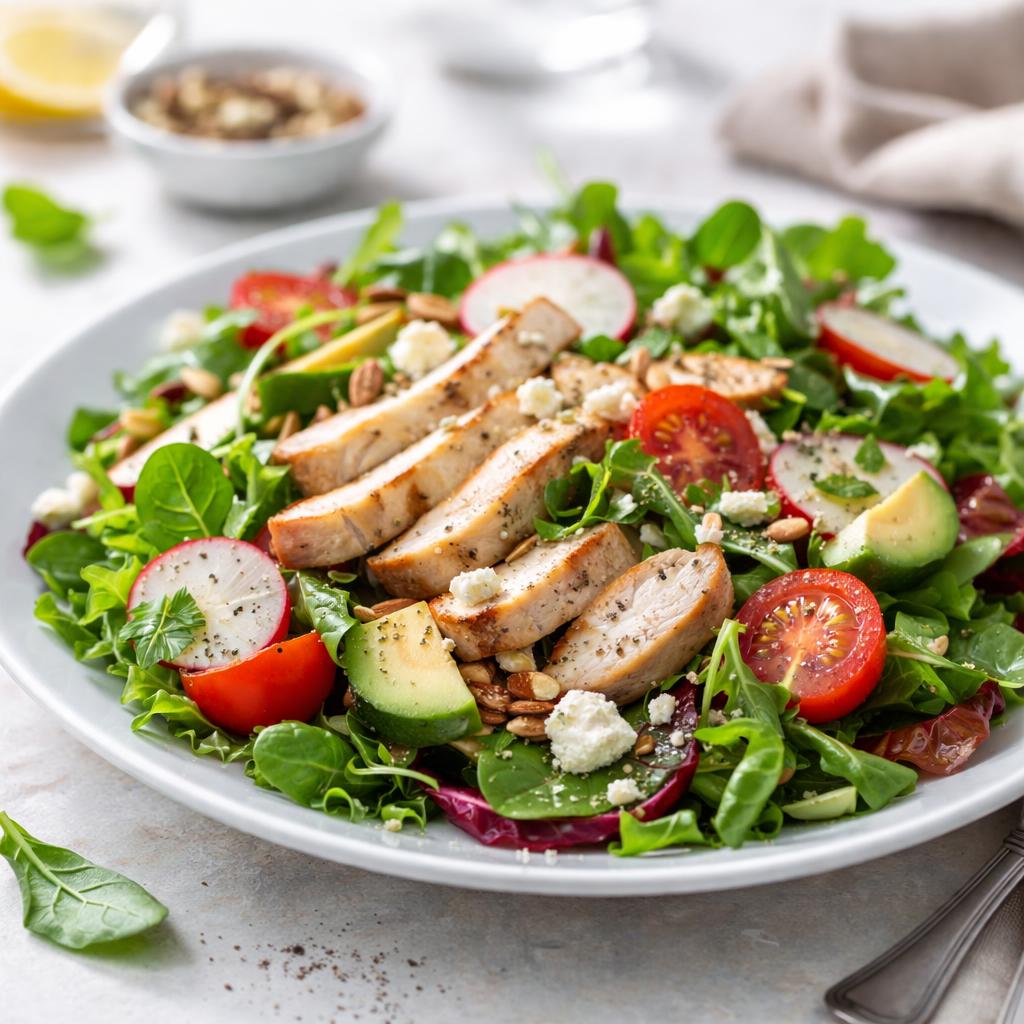
Salad

Mayonnaise
🎯 Quick Verdict
Salad is a nutrient-rich and low-calorie food that is high in fiber, making it ideal for weight management and digestion. Mayonnaise is calorie-dense and contains healthy fats but is lower in essential nutrients and fiber, better suited for enhancing flavor in small quantities rather than as a standalone food item.

Smart Nutrition Tracking with SnapCalorie

📊 Nutritional Comparison
Macronutrients
| Nutrient | Food 1 | Food 2 | Winner |
|---|---|---|---|
| Calories | 50 | 1000 | ✓ |
| Protein | 2g | 2g | − |
| Carbs | 8g | 1g | ✓ |
| Fat | 0.5g | 110g | ✓ |
| Fiber | 3g | 0g | ✓ |
Vitamins & Minerals
| Nutrient | Food 1 | Food 2 | Winner |
|---|---|---|---|
| Vitamin D | 0mcg | 0.5mcg | ✓ |
| Calcium | 25mg | 5mg | ✓ |
| Iron | 1mg | 0.1mg | ✓ |
| Vitamin A | 300mcg | 25mcg | ✓ |
| Vitamin C | 20mg | 0mg | ✓ |
🏆 Category Winners
Protein
Both foods provide 2g of protein.
Fiber
Salad provides 3g of fiber, while mayonnaise contains none.
Calories
Salad is significantly lower in calories (50 vs 1000).
🥗 Diet Compatibility
Keto
Food 1: Compatible
Food 2: Compatible
Mayonnaise is high-fat, low-carb, and salad can be tailored to include low-carb vegetables.
Vegan
Food 1: Compatible
Food 2: Not Compatible
Most salads are plant-based, but mayonnaise often contains eggs.
Gluten Free
Food 1: Compatible
Food 2: Compatible
Neither food contains gluten.
Paleo
Food 1: Compatible
Food 2: Not Compatible
Salad aligns well with paleo guidelines, but traditional mayonnaise does not due to processed ingredients.
Low Carb
Food 1: Compatible
Food 2: Compatible
Mayonnaise is very low in carbs (1g), and salads can be customized to fit low-carb diets.
💪 Health Benefits Comparison
Food 1 Benefits
- High in fiber for digestion and gut health
- Low-calorie, supporting weight management
- Rich in vitamins A and C for immune health
- Contains antioxidants for overall wellness
Food 2 Benefits
- Provides healthy fats that support heart health
- Low-carb suitable for keto diets
- Contains small amounts of Vitamin D
- Enhances flavor of other foods
✅ The Bottom Line
Choose salad for nutrient density, fiber, and weight management, especially as a standalone meal or a base for other recipes. Opt for mayonnaise in moderation to add flavor and healthy fats to dishes, but avoid overconsumption due to its high calorie and fat content.
Choose Food 1 for: Weight management, overall health, nutrient boost
Choose Food 2 for: Flavor enhancement, keto diets, healthy fat intake


