Salad VS Mayo
A detailed nutritional comparison
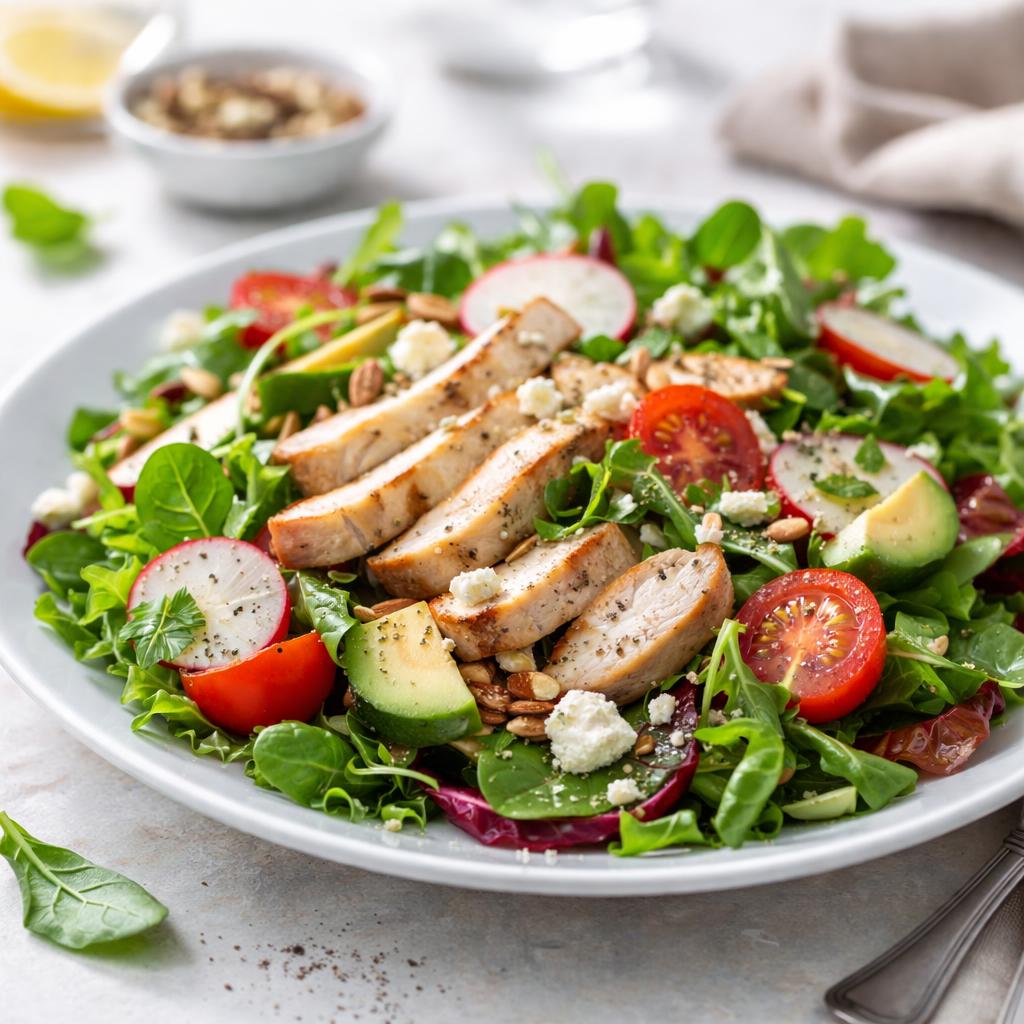
Salad
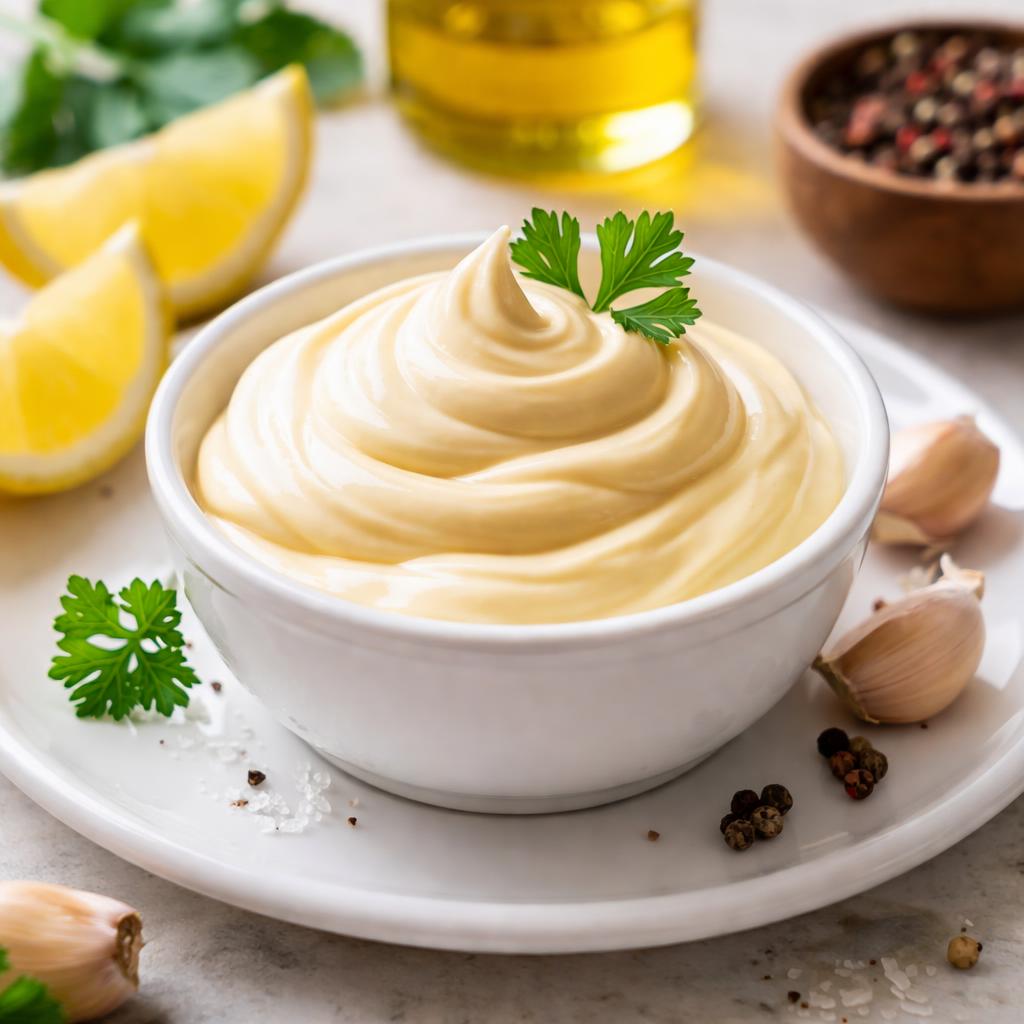
Mayo
🎯 Quick Verdict
Salad is a nutrient-dense, low-calorie food packed with fiber and vitamins, making it ideal for healthy diets and weight management. Mayonnaise is calorie-dense, rich in fats, and provides minimal protein or fiber, often used sparingly as a condiment. Choose salad for nutrition and mayo for flavor enhancement in moderation.

Smart Nutrition Tracking with SnapCalorie

📊 Nutritional Comparison
Macronutrients
| Nutrient | Food 1 | Food 2 | Winner |
|---|---|---|---|
| Calories | 35 | 94 | ✓ |
| Protein | 2g | 0g | ✓ |
| Carbs | 5g | 0g | ✓ |
| Fat | 0.5g | 10g | ✓ |
| Fiber | 3g | 0g | ✓ |
Vitamins & Minerals
| Nutrient | Food 1 | Food 2 | Winner |
|---|---|---|---|
| Vitamin A | 2600IU (52% DV) | 24IU | ✓ |
| Vitamin C | 6mg (10% DV) | 0mg | ✓ |
| Vitamin K | 130mcg (108% DV) | 23mcg | ✓ |
| Calcium | 20mg | 8mg | ✓ |
| Iron | 0.7mg (4% DV) | 0.1mg | ✓ |
🏆 Category Winners
Protein
Salad provides protein, unlike mayo which has none.
Fiber
Salad has 3g fiber, while mayo offers none.
Calories
Salad is significantly lower in calories (35 vs 94 per serving).
Vitamins
Vitamin levels are higher in salad, especially Vitamin A, C, and K.
🥗 Diet Compatibility
Keto
Food 1: Compatible
Food 2: Compatible
Both are low-carb, but salad offers fiber and nutrients.
Vegan
Food 1: Compatible
Food 2: Not Compatible
Salad is plant-based; many mayo products contain eggs unless vegan mayo.
Gluten Free
Food 1: Compatible
Food 2: Compatible
Neither contains gluten.
Paleo
Food 1: Compatible
Food 2: Not Compatible
Salad fits paleo guidelines; mayo may include refined ingredients.
Low-Carb
Food 1: Compatible
Food 2: Compatible
Both are low in carbohydrates, benefiting low-carb diets.
💪 Health Benefits Comparison
Food 1 Benefits
- High in fiber for digestive health
- Rich in vitamins (A, C, K) to support immunity and skin health
- Low-calorie and nutrient-dense, ideal for weight management
Food 2 Benefits
- Source of healthy fats for energy boost
- Contains Vitamin K for bone health
- Enhances flavor of dishes when used sparingly
✅ The Bottom Line
Choose salad for nutrient density, weight management, and overall health benefits. Mayonnaise can be included sparingly for flavor and healthy fat additions to dishes but lacks fiber and protein.
Choose Food 1 for: Weight management, nutrient intake, plant-based diets
Choose Food 2 for: Flavor enhancement, quick energy sources, keto diets


