Salad VS Lime Juice
A detailed nutritional comparison
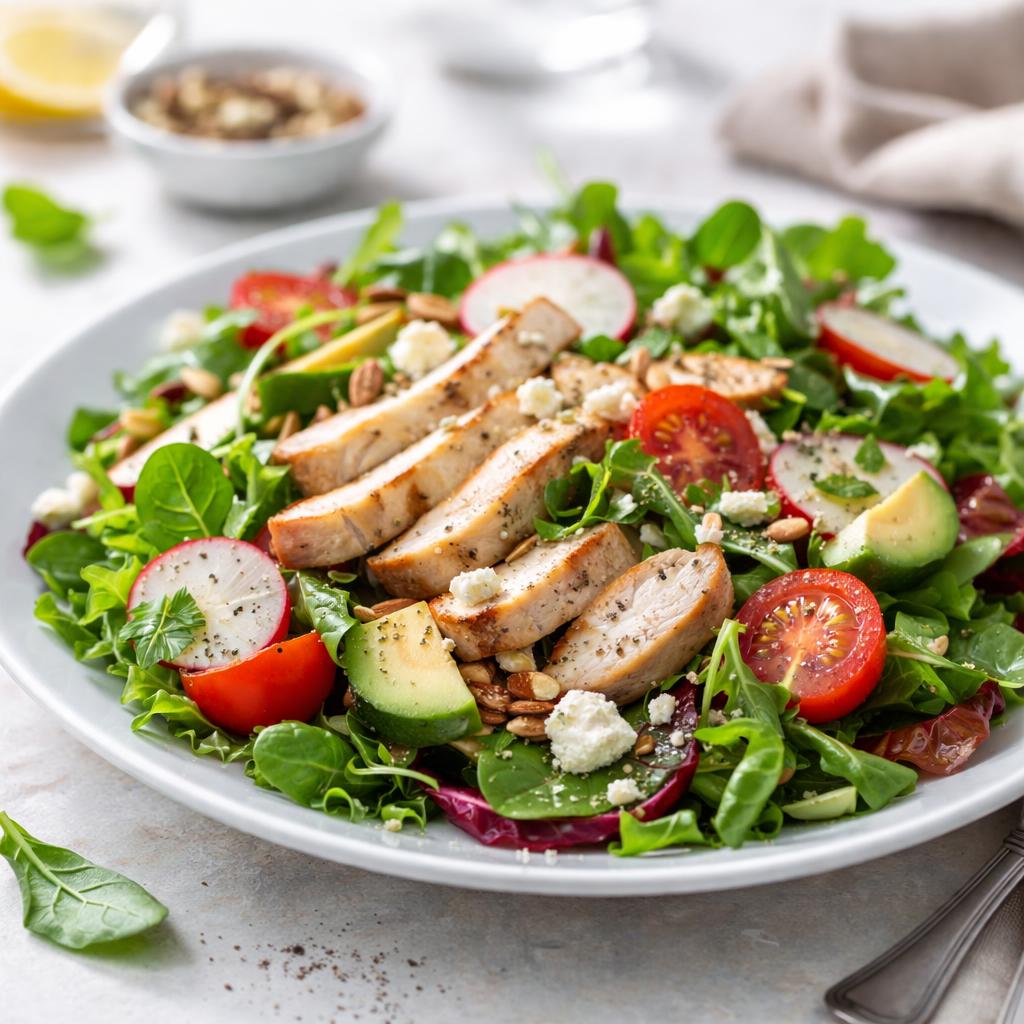
Salad

Lime Juice
🎯 Quick Verdict
Salad is richer in protein, fiber, and overall nutrients, making it a better pick for a filling and balanced meal. Lime juice, however, is lower in calories and provides vitamin C, ideal as a zesty addition or for hydration purposes. Both complement different dietary needs and preferences.

Smart Nutrition Tracking with SnapCalorie

📊 Nutritional Comparison
Macronutrients
| Nutrient | Food 1 | Food 2 | Winner |
|---|---|---|---|
| Calories | 50 | 8 | ✓ |
| Protein | 1.5g | 0.5g | ✓ |
| Carbs | 11g | 2g | ✓ |
| Fat | 0g | 0g | − |
| Fiber | 2g | 0.1g | ✓ |
Vitamins & Minerals
| Nutrient | Food 1 | Food 2 | Winner |
|---|---|---|---|
| Vitamin C | 18mg | 20mg | ✓ |
| Vitamin K | 60mcg | 0mcg | ✓ |
| Potassium | 170mg | 25mg | ✓ |
🏆 Category Winners
Protein
Salad contains 3 times more protein than lime juice per serving.
Fiber
Salad provides 20 times more fiber than lime juice.
Calories
Lime juice has 84% fewer calories than salad.
Vitamins
Lime juice has slightly more vitamin C, useful for immunity support.
🥗 Diet Compatibility
Keto
Food 1: Compatible
Food 2: Compatible
Both are low-carb and low-fat.
Vegan
Food 1: Compatible
Food 2: Compatible
Both are plant-based foods.
Gluten Free
Food 1: Compatible
Food 2: Compatible
Neither contains gluten.
Paleo
Food 1: Compatible
Food 2: Compatible
Both are natural, unprocessed foods.
Low Carb
Food 1: Not Compatible
Food 2: Compatible
Salad contains more carbs (11g vs 2g).
💪 Health Benefits Comparison
Food 1 Benefits
- High in fiber to support digestion
- Provides vitamin K for blood health and bone strength
- Contains potassium for electrolyte balance
Food 2 Benefits
- Rich in vitamin C for immune system support
- Low-calorie option for hydration and weight management
- Promotes alkalinity and aids digestion
✅ The Bottom Line
Choose salad for a nutrient-dense meal that is filling and supports digestion due to its fiber and potassium content. Lime juice is better for adding flavor, aiding hydration, and providing an extra boost of vitamin C.
Choose Food 1 for: Balanced meals, weight management, high-fiber diets
Choose Food 2 for: Hydration, immune support, low-calorie diets, flavor enhancement


