Salad VS Lemon Slice
A detailed nutritional comparison
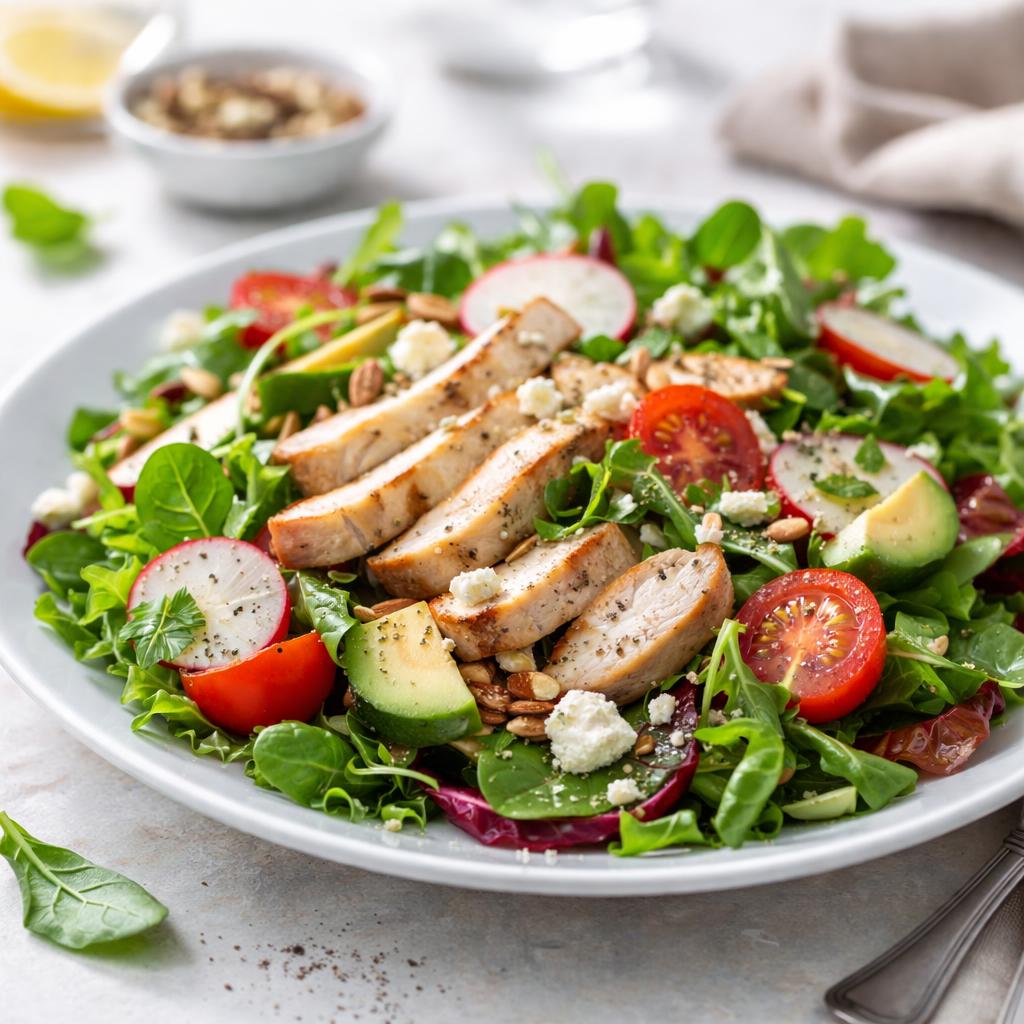
Salad
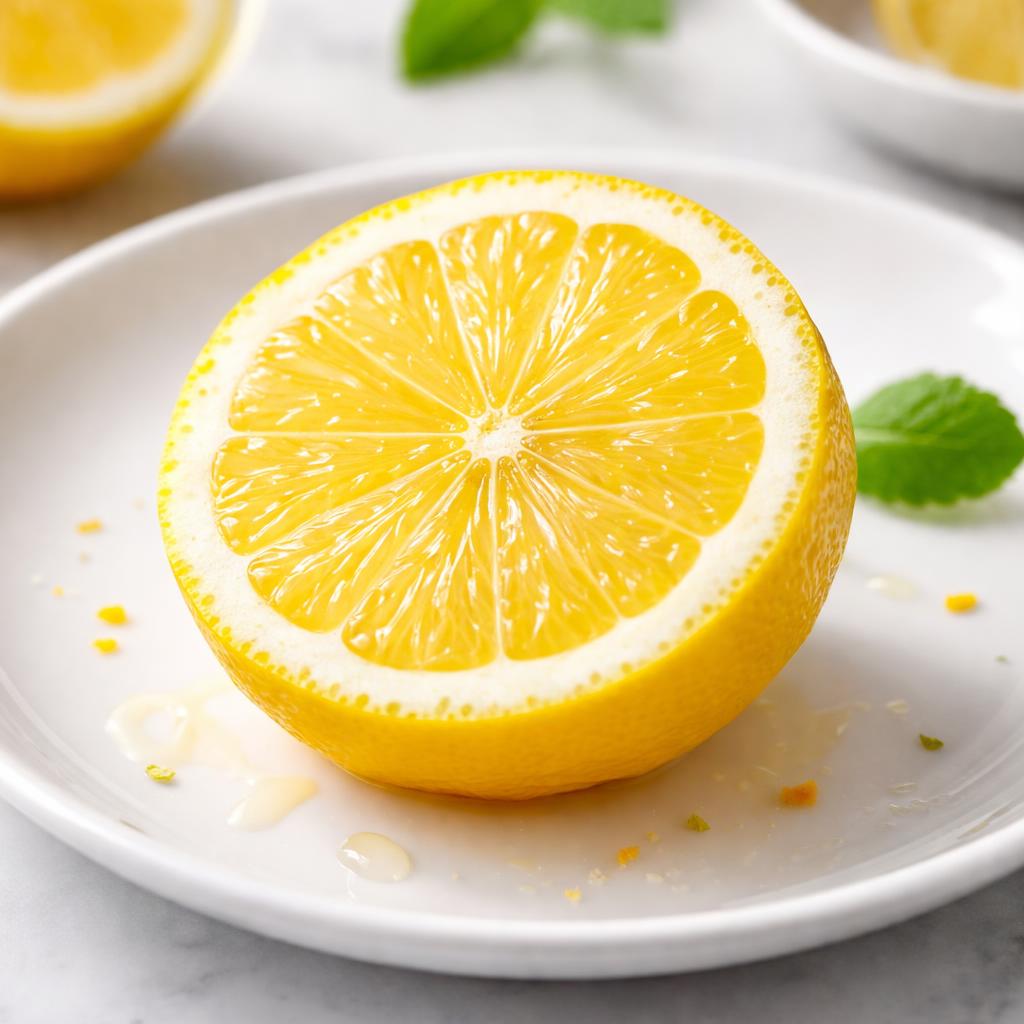
Lemon Slice
🎯 Quick Verdict
Salad and lemon slices differ significantly in terms of nutritional value. Salad is more balanced with higher protein, fiber, and micronutrients, making it suitable as a core part of a meal. Lemon slices primarily provide vitamin C and minimal calories, making them ideal for flavoring or hydration enhancement.

Smart Nutrition Tracking with SnapCalorie

📊 Nutritional Comparison
Macronutrients
| Nutrient | Food 1 | Food 2 | Winner |
|---|---|---|---|
| Calories | 15 | 15 | − |
| Protein | 1g | 0g | ✓ |
| Carbs | 3g | 5g | ✓ |
| Fat | 0g | 0g | − |
| Fiber | 2g | 0g | ✓ |
Vitamins & Minerals
| Nutrient | Food 1 | Food 2 | Winner |
|---|---|---|---|
| Vitamin C | 10mg | 30mg | ✓ |
| Vitamin A | 50IU | 0IU | ✓ |
| Potassium | 200mg | 80mg | ✓ |
🏆 Category Winners
Protein
Salad contains some protein, whereas lemon slices contain none.
Fiber
Salad offers 2g of fiber per serving compared to none in lemon slices.
Calories
Both foods are extremely low-calorie, with only 15 calories per typical serving.
Vitamins
Lemon slices provide significantly more vitamin C compared to salad.
🥗 Diet Compatibility
Keto
Food 1: Compatible
Food 2: Compatible
Both foods are low in carbs and fit a keto diet.
Vegan
Food 1: Compatible
Food 2: Compatible
Both salad and lemon slices are plant-based.
Gluten Free
Food 1: Compatible
Food 2: Compatible
Neither contains gluten.
Paleo
Food 1: Compatible
Food 2: Compatible
Both are natural, unprocessed foods allowed in paleo diets.
Low Carb
Food 1: Compatible
Food 2: Compatible
Both are low in carbohydrates, supporting a low-carb lifestyle.
💪 Health Benefits Comparison
Food 1 Benefits
- Provides dietary fiber for digestive health
- Contains essential vitamins like vitamin A and potassium
- Low calories make it ideal for weight management
- Offers hydration through high water content
Food 2 Benefits
- Rich in vitamin C to boost immunity and skin health
- Aids in hydration when added to water
- Contains antioxidants to support cell health
- Low-calorie flavor enhancer for meals and beverages
✅ The Bottom Line
Choose salad for a more substantial, nutrient-balanced food option, especially for meals focused on fiber, protein, and satiety. Lemon slices, while lacking macronutrients, are better suited as a vitamin C-rich enhancer for beverages or dishes.
Choose Food 1 for: Balanced meals, weight loss, digestive health
Choose Food 2 for: Flavored beverages, immune support, low-calorie flavoring


