Salad VS Jalapeno
A detailed nutritional comparison
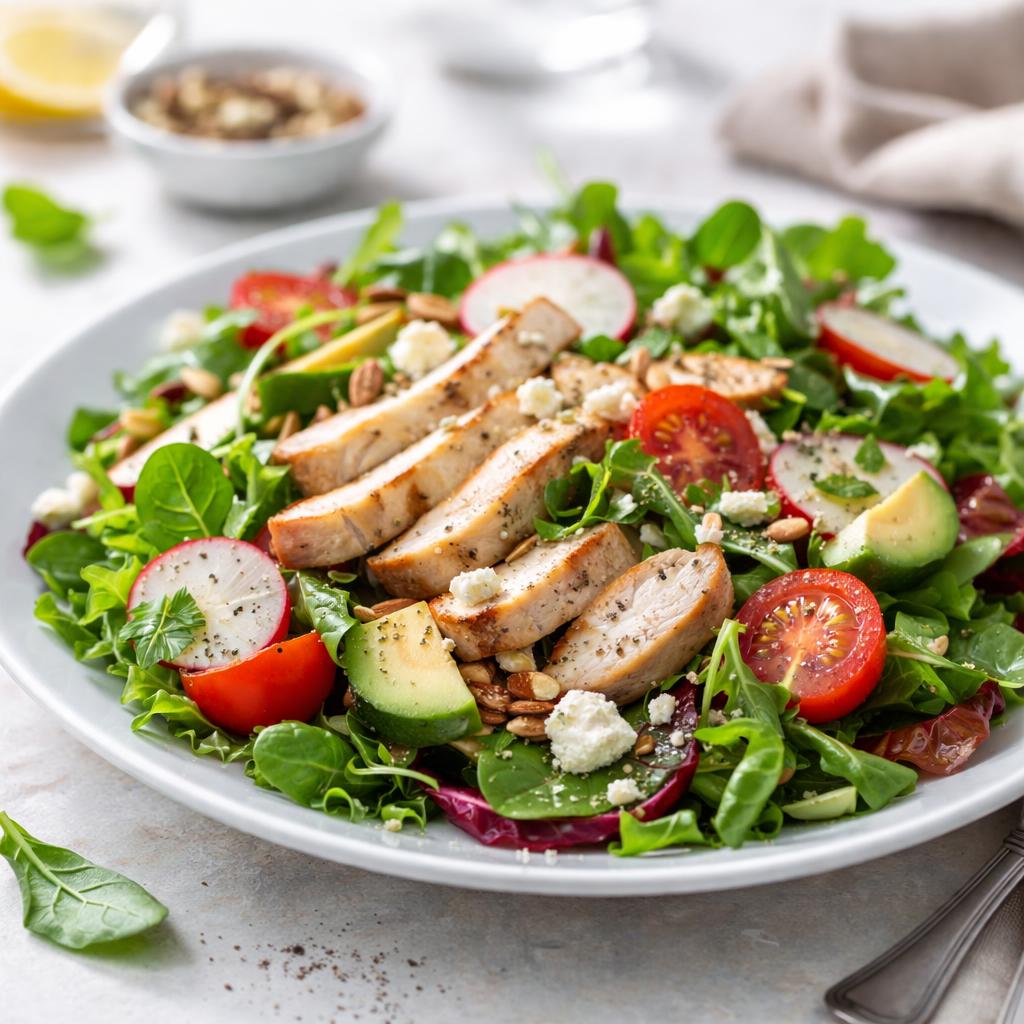
Salad
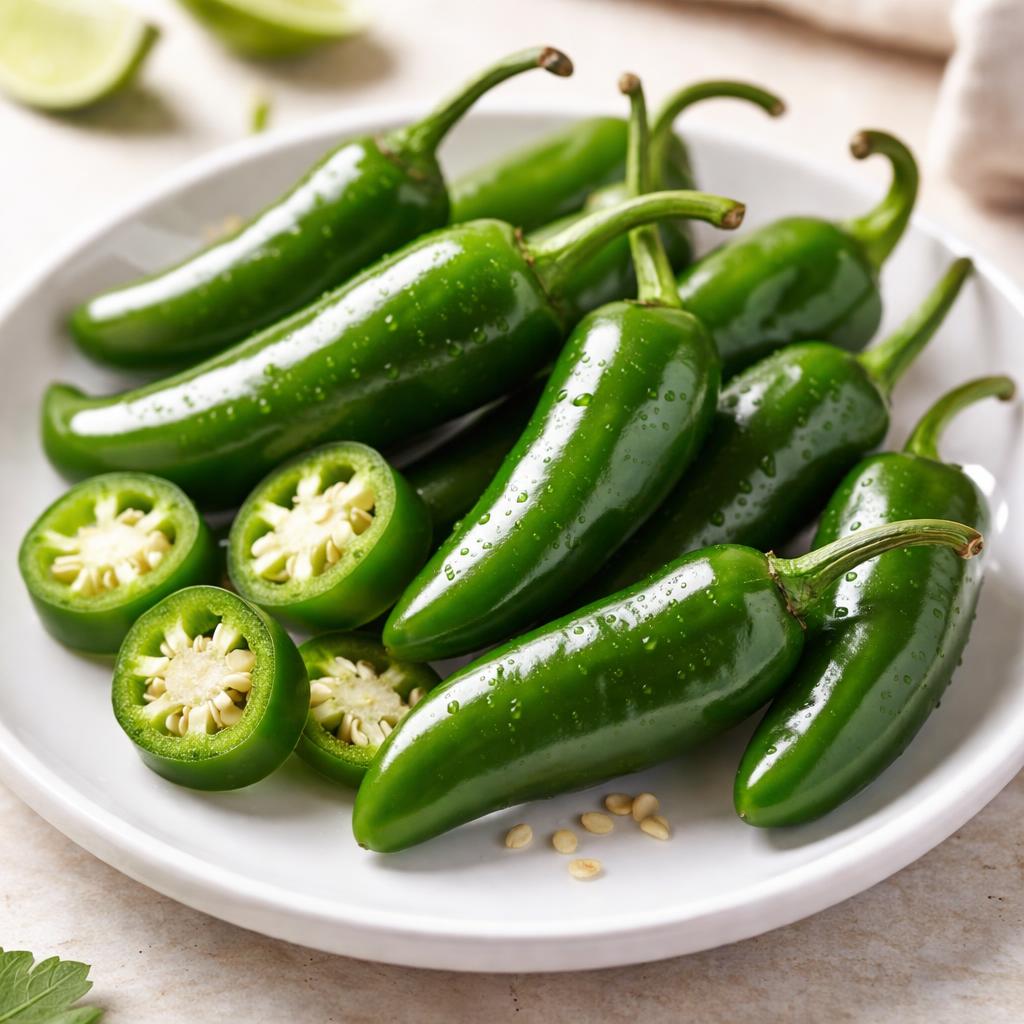
Jalapeno
🎯 Quick Verdict
Salad is a more nutritionally versatile food, offering higher protein, fiber, and essential vitamins per serving, making it ideal for balanced diets or weight management. Jalapenos, though not nutrient-dense, add flavor and contain antioxidants and capsaicin that may aid metabolism and inflammation control.

Smart Nutrition Tracking with SnapCalorie

📊 Nutritional Comparison
Macronutrients
| Nutrient | Food 1 | Food 2 | Winner |
|---|---|---|---|
| Calories | 15 | 15 | − |
| Protein | 1g | 0.5g | − |
| Carbs | 3g | 3.7g | − |
| Fat | 0.2g | 0.1g | − |
| Fiber | 2.5g | 0.4g | − |
Vitamins & Minerals
| Nutrient | Food 1 | Food 2 | Winner |
|---|---|---|---|
| Vitamin A | 165mcg | 549mcg | − |
| Vitamin C | 9mg | 118mg | − |
| Vitamin K | 60mcg | 6mcg | − |
🏆 Category Winners
Protein
Salad doubles the protein content compared to jalapeno.
Fiber
Salad has over 6 times more fiber than jalapeno, aiding digestion.
Calories
Both foods contain approximately 15 calories per serving.
Vitamins
Jalapeno is significantly richer in Vitamin C, offering over 13 times the amount found in salad.
🥗 Diet Compatibility
Keto
Food 1: Compatible
Food 2: Compatible
Both salad and jalapeno are low-carb, making them keto-friendly.
Vegan
Food 1: Compatible
Food 2: Compatible
Both foods are plant-based and suitable for vegans.
Gluten Free
Food 1: Compatible
Food 2: Compatible
Neither salad nor jalapeno contains gluten.
Paleo
Food 1: Compatible
Food 2: Compatible
Both foods align with paleo diet principles.
Low-Carb
Food 1: Compatible
Food 2: Compatible
Both foods have minimal carbohydrates and are ideal for low-carb diets.
💪 Health Benefits Comparison
Food 1 Benefits
- Rich in fiber for digestive health
- Low calorie, ideal for weight management
- Contains Vitamin K for bone and cardiovascular health
Food 2 Benefits
- High in Vitamin C for immune support
- Capsaicin may help boost metabolism and reduce inflammation
- Provides antioxidants for cellular health
✅ The Bottom Line
Salad is a better choice for regular meals or as a base in a nutritious dish, thanks to its protein, fiber, and micronutrient content. Jalapeno is better suited as a flavorful addition that provides unique health benefits, like immune support and metabolism kick from capsaicin.
Choose Food 1 for: Weight management, balanced meals, digestive health
Choose Food 2 for: Flavor enhancement, immunity boosting, metabolic support


