Salad VS Italian Dressing
A detailed nutritional comparison
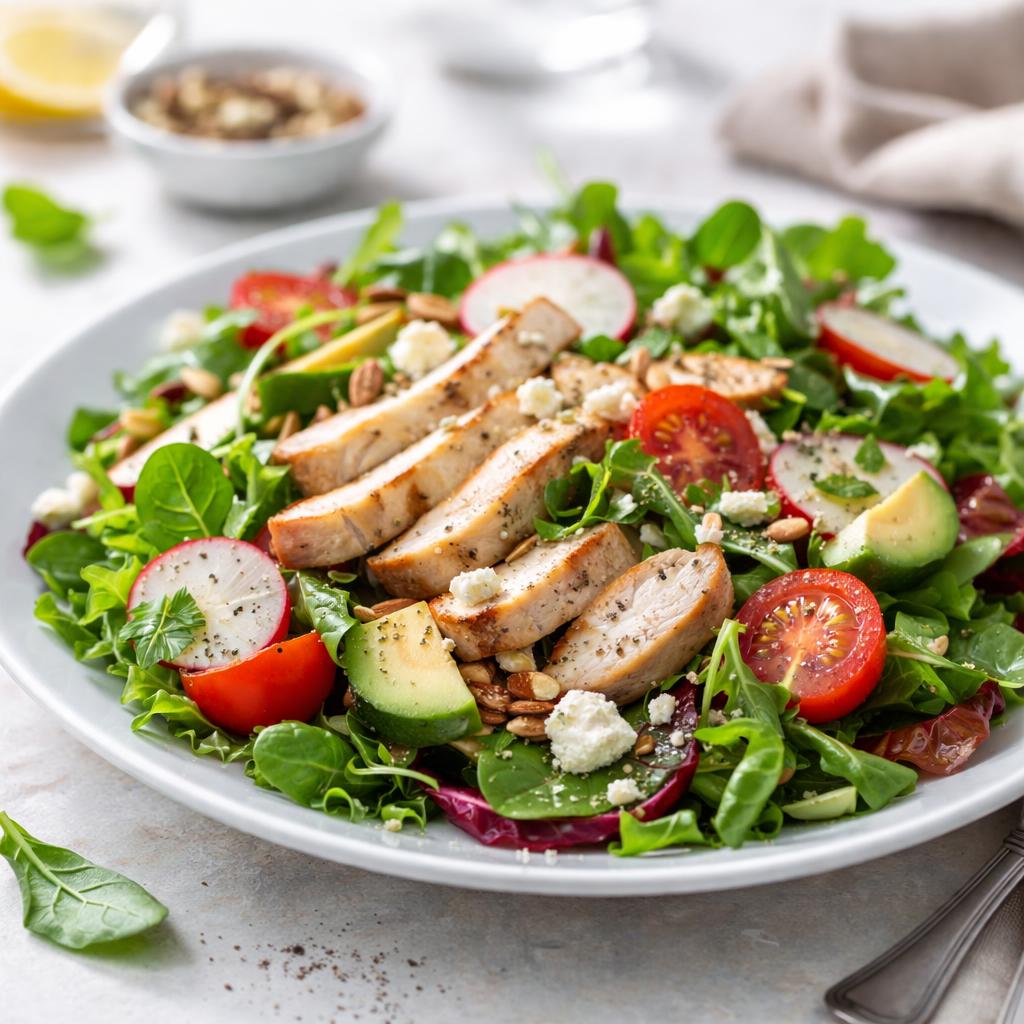
Salad
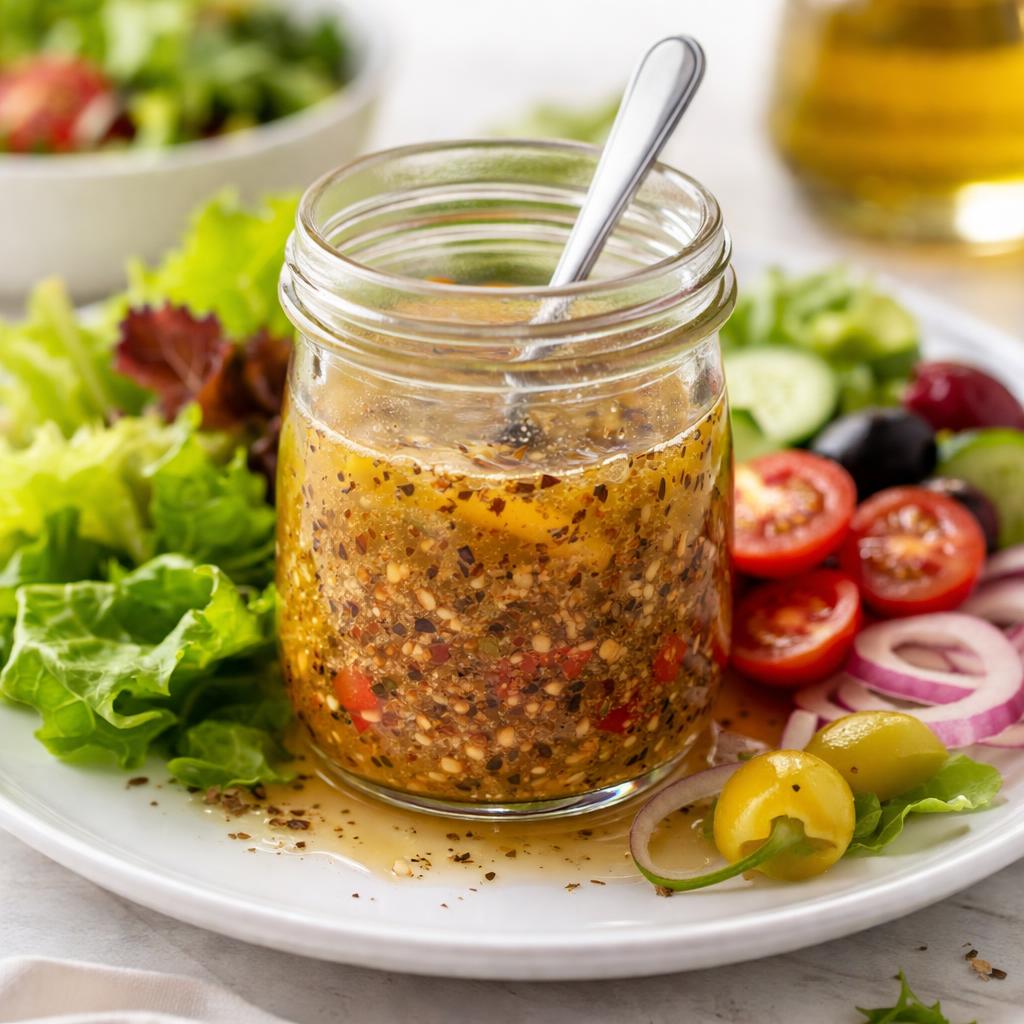
Italian Dressing
🎯 Quick Verdict
Salad is a low-calorie, nutrient-dense option rich in fiber, vitamins, and minerals, making it a healthier pick overall. Italian dressing provides flavor but is high in fat and lacks substantial amounts of protein or fiber. Use salad as the primary base and dressing sparingly for taste enhancement.

Smart Nutrition Tracking with SnapCalorie

📊 Nutritional Comparison
Macronutrients
| Nutrient | Food 1 | Food 2 | Winner |
|---|---|---|---|
| Calories | 150 | 150 | − |
| Protein | 5g | 1g | ✓ |
| Carbs | 30g | 4g | ✓ |
| Fat | 3g | 14g | ✓ |
| Fiber | 5g | 0g | ✓ |
Vitamins & Minerals
| Nutrient | Food 1 | Food 2 | Winner |
|---|---|---|---|
| Vitamin C | 30mg | 0mg | ✓ |
| Vitamin K | 90mcg | 15mcg | ✓ |
| Vitamin A | 500mcg | 0mcg | ✓ |
🏆 Category Winners
Protein
Salad contains 5g protein compared to dressing's 1g.
Fiber
Salad has 5g fiber while dressing has none.
Calories
Both foods have 150 calories per serving.
Vitamins
Salad is rich in Vitamin C, K, and A while dressing provides minimal vitamins.
🥗 Diet Compatibility
Keto
Food 1: Compatible
Food 2: Compatible
Both are low-carb; dressing is high in fat while salad is high in fiber.
Vegan
Food 1: Compatible
Food 2: Ingredient-dependent
Salad is vegan but some dressings contain animal products.
Gluten Free
Food 1: Compatible
Food 2: Ingredient-dependent
Salad is naturally gluten-free, dressing may contain gluten depending on preparation.
Paleo
Food 1: Compatible
Food 2: Not Compatible
Salad fits paleo guidelines, but standard Italian dressing often contains non-paleo ingredients like processed oils.
Low Carb
Food 1: Compatible
Food 2: Compatible
Both are low-carb options, with salad offering more fiber and less fat.
💪 Health Benefits Comparison
Food 1 Benefits
- Provides dietary fiber for improved digestion
- Rich in Vitamin C to support the immune system
- Contains Vitamin K for bone health
- Low in fat and calories to support weight management
Food 2 Benefits
- Good source of healthy fats for heart health (depending on ingredients)
- Enhances overall flavor for dietary enjoyment
- Some formulations may include spices that provide antioxidants
✅ The Bottom Line
Salad is the clear winner nutritionally, being fiber-rich and packed with vitamins. Use Italian dressing sparingly to add flavor without significantly increasing fat or reducing nutrient density. If steering toward healthy eating, a natural or homemade dressing may be better.
Choose Food 1 for: Weight management, high-fiber diets, vitamin boosts
Choose Food 2 for: Flavor enhancement, keto diets, adding healthy fats


