Salad VS Iceberg Lettuce
A detailed nutritional comparison
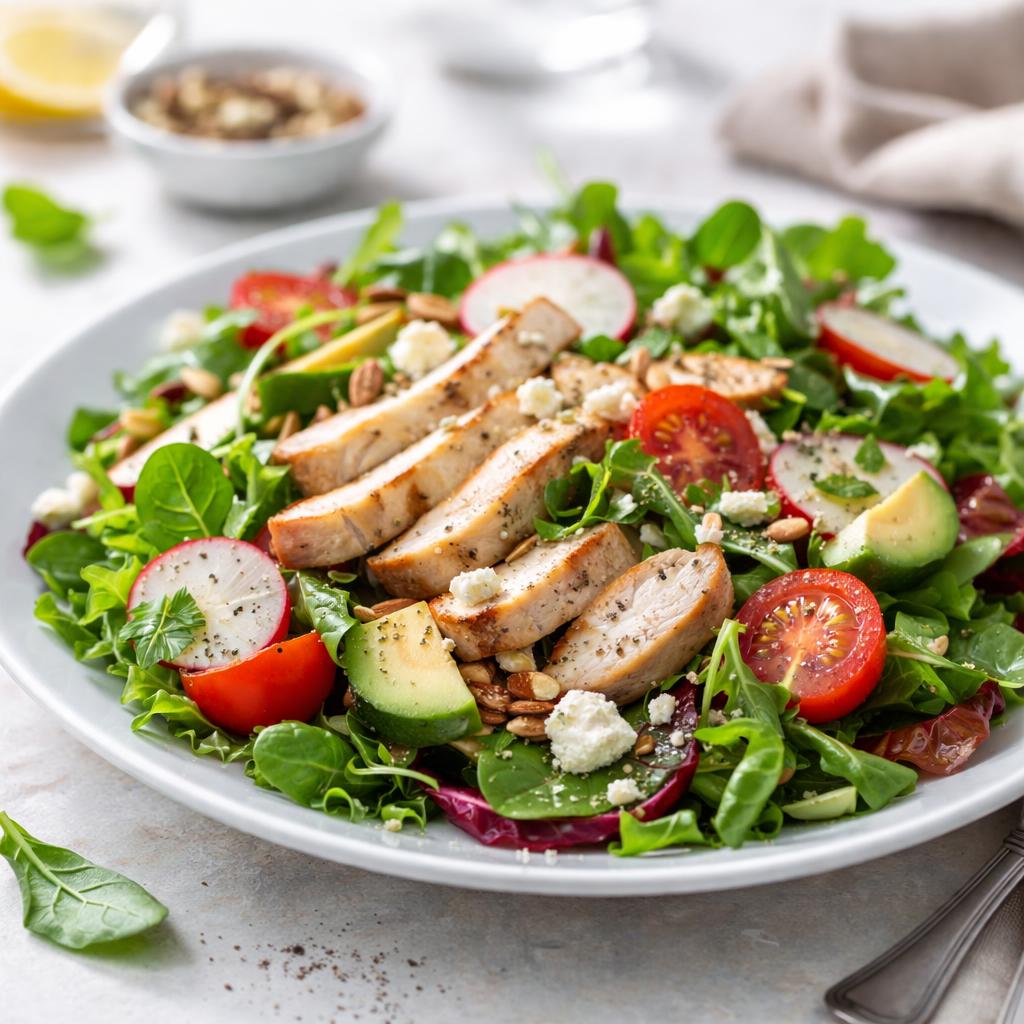
Salad
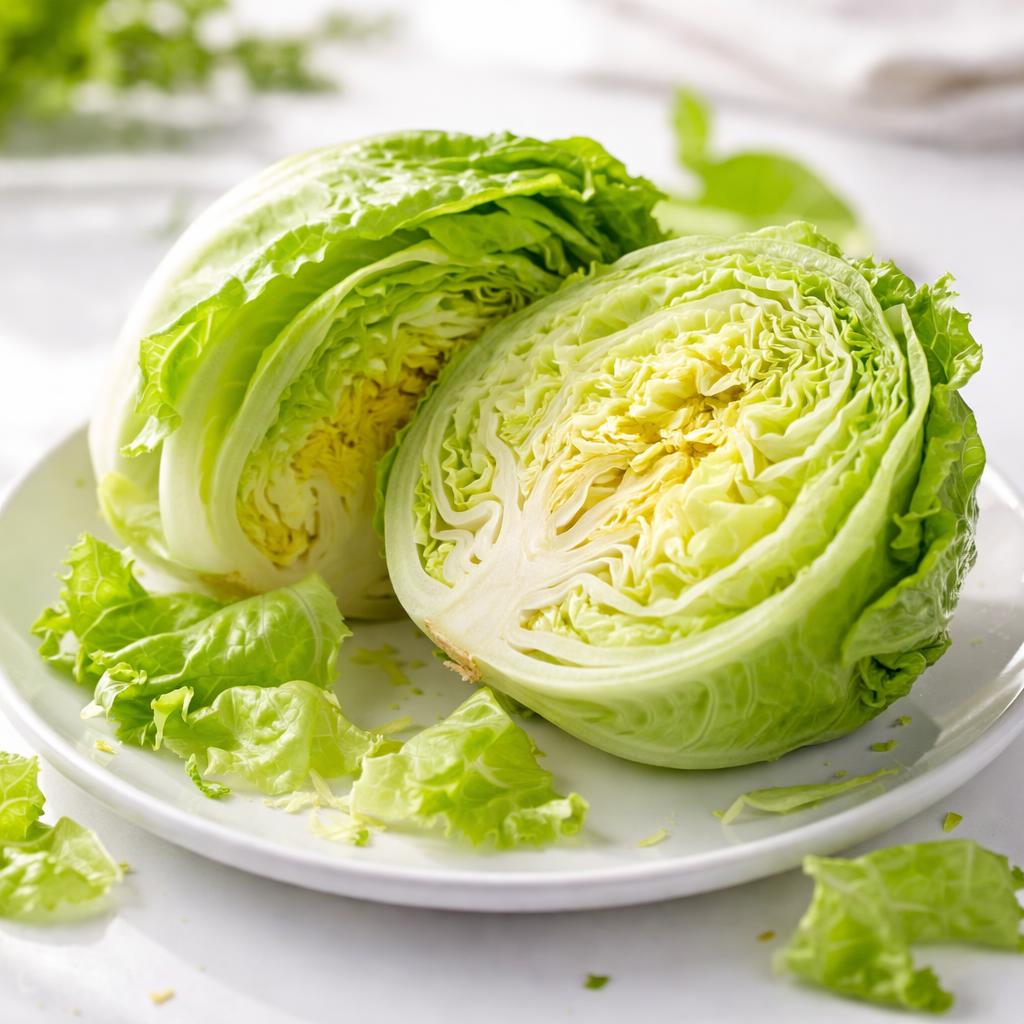
Iceberg Lettuce
🎯 Quick Verdict
Salad is a nutrient-dense mix that typically contains diverse vegetables and toppings, offering higher protein, fiber, and a broader vitamin profile. Iceberg lettuce is lower in calories and hydrating but provides fewer overall nutrients. Salad is ideal for a balanced, nutrient-rich meal, while iceberg lettuce works well for low-calorie or hydrating diets.

Smart Nutrition Tracking with SnapCalorie

📊 Nutritional Comparison
Macronutrients
| Nutrient | Food 1 | Food 2 | Winner |
|---|---|---|---|
| Calories | 100 | 13 | ✓ |
| Protein | 5g | 1g | ✓ |
| Carbs | 10g | 3g | ✓ |
| Fat | 4g | 0g | ✓ |
| Fiber | 3g | 1g | ✓ |
Vitamins & Minerals
| Nutrient | Food 1 | Food 2 | Winner |
|---|---|---|---|
| Vitamin A | 1500IU | 180IU | ✓ |
| Vitamin C | 25mg | 2mg | ✓ |
| Calcium | 50mg | 20mg | ✓ |
| Iron | 1mg | 0.3mg | ✓ |
🏆 Category Winners
Protein
Salad contains 5g of protein compared to iceberg lettuce's 1g.
Fiber
Salad offers 3g of fiber, three times more than iceberg lettuce.
Calories
Iceberg lettuce has only 13 calories per serving, far fewer than salad's 100 calories.
Vitamins
Salad provides significantly higher levels of Vitamin A, C, calcium, and iron.
🥗 Diet Compatibility
Keto
Food 1: Compatible
Food 2: Compatible
Both are low-carb and suitable for ketogenic diets.
Vegan
Food 1: Compatible
Food 2: Compatible
Both are plant-based foods.
Gluten Free
Food 1: Compatible
Food 2: Compatible
Neither food contains gluten.
Paleo
Food 1: Compatible
Food 2: Compatible
Both fit within paleo dietary guidelines.
Low Carb
Food 1: Compatible
Food 2: Compatible
Both foods are naturally low in carbs.
💪 Health Benefits Comparison
Food 1 Benefits
- Rich in vitamins A and C for immune health and skin support
- Provides moderate protein for muscle repair
- Good fiber content aids digestion and promotes satiety
- Can be customized with nutrient-dense toppings for added benefits
Food 2 Benefits
- Extremely low in calories, ideal for weight management
- Hydrating and refreshing due to high water content
- Contains small amounts of fiber for digestion
- Provides basic vitamins like Vitamin K and traces of folate
✅ The Bottom Line
Choose salad for a nutrient-dense meal that provides balanced macros and diverse vitamins, especially for those wanting satiety and overall health support. Opt for iceberg lettuce when aiming to add volume without calories or for light hydration.
Choose Food 1 for: Balanced meals, weight loss with satiety, nutrient boost
Choose Food 2 for: Low-calorie diets, hydrating snacks, meal volume enhancer


