Salad VS Honeydew Melon
A detailed nutritional comparison
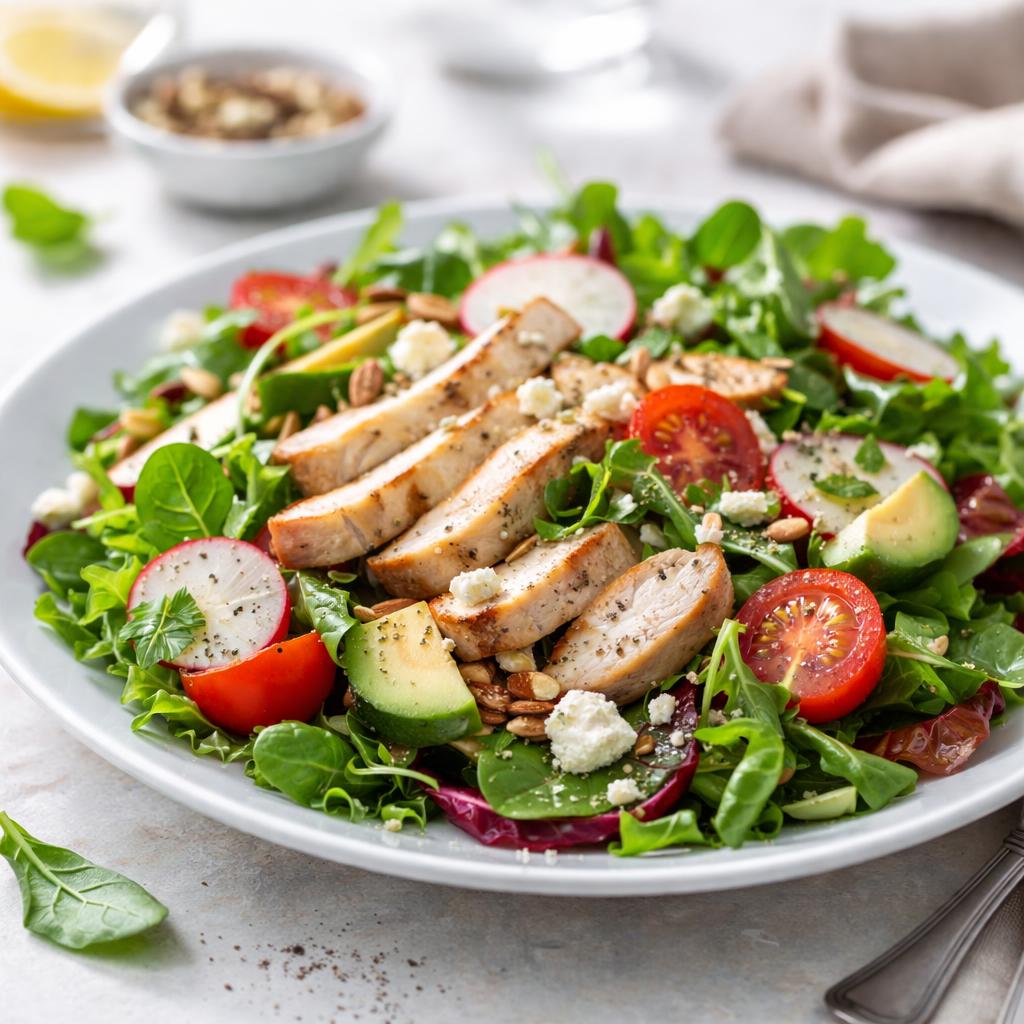
Salad
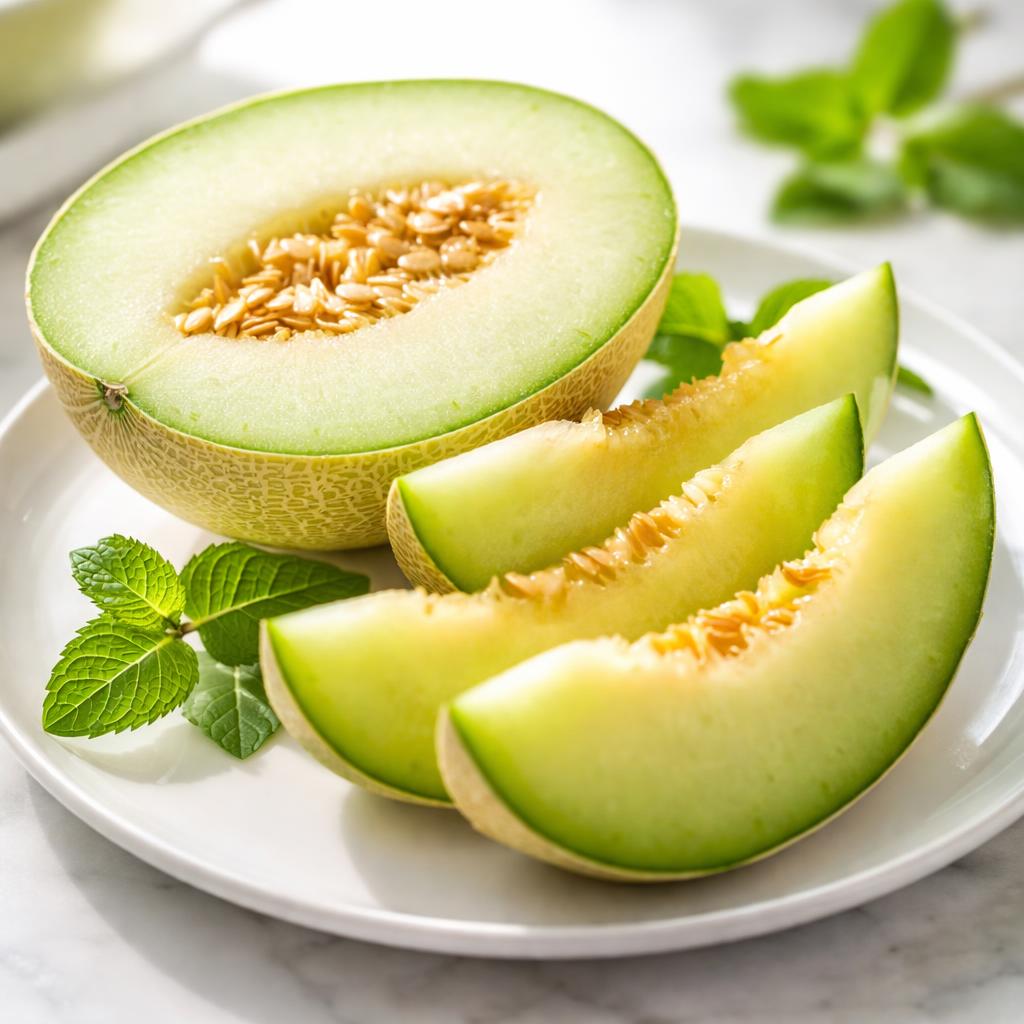
Honeydew Melon
🎯 Quick Verdict
Salad is a lower-calorie, nutrient-rich option that is higher in protein and fiber, making it better suited for weight management or digestion-focused diets. Honeydew melon is slightly higher in carbohydrates and sugars but excels as a hydrating and refreshing energy boost, packed with vitamins like Vitamin C. Choose salad for a balanced and calorie-conscious meal, or honeydew melon for light snacking or hydration purposes.

Smart Nutrition Tracking with SnapCalorie

📊 Nutritional Comparison
Macronutrients
| Nutrient | Food 1 | Food 2 | Winner |
|---|---|---|---|
| Calories | 35 | 60 | ✓ |
| Protein | 1.5g | 0.8g | ✓ |
| Carbs | 7g | 15g | ✓ |
| Fat | 0.2g | 0g | ✓ |
| Fiber | 1.5g | 0.8g | ✓ |
Vitamins & Minerals
| Nutrient | Food 1 | Food 2 | Winner |
|---|---|---|---|
| Vitamin C | 9mg | 32mg | ✓ |
| Vitamin A | 126mcg | 36mcg | ✓ |
| Potassium | 125mg | 230mg | ✓ |
🏆 Category Winners
Protein
Salad has nearly double the protein of honeydew melon.
Fiber
Salad is higher in fiber, supporting gut health.
Calories
Salad is far lower in calories per serving.
Vitamins
Honeydew melon is richer in Vitamin C and Potassium.
🥗 Diet Compatibility
Keto
Food 1: Compatible
Food 2: Not Compatible
Salad is lower in carbohydrates, making it suitable for keto.
Vegan
Food 1: Compatible
Food 2: Compatible
Both are plant-based and align with vegan diets.
Gluten Free
Food 1: Compatible
Food 2: Compatible
Neither food contains gluten.
Paleo
Food 1: Compatible
Food 2: Compatible
Both are unprocessed, whole foods suitable for Paleo diets.
Low Carb
Food 1: Compatible
Food 2: Not Compatible
Honeydew melon is higher in carbs, while salad is a low-carb option.
💪 Health Benefits Comparison
Food 1 Benefits
- Low in calories, ideal for weight management.
- Good source of fiber to aid digestion.
- Contains Vitamin A, supporting eye health and immunity.
Food 2 Benefits
- Rich in Vitamin C to boost immunity and skin health.
- Provides hydration due to high water content.
- Contains potassium, promoting heart health and muscle function.
✅ The Bottom Line
Choose salad when focusing on weight loss, low-calorie meals, or digestive health. Opt for honeydew melon as a hydrating snack to replenish electrolytes or add Vitamin C into your diet.
Choose Food 1 for: Weight management, low-carb or keto diets, gut health
Choose Food 2 for: Hydration, immunity support, energy boosts


