Salad VS Hash Browns
A detailed nutritional comparison
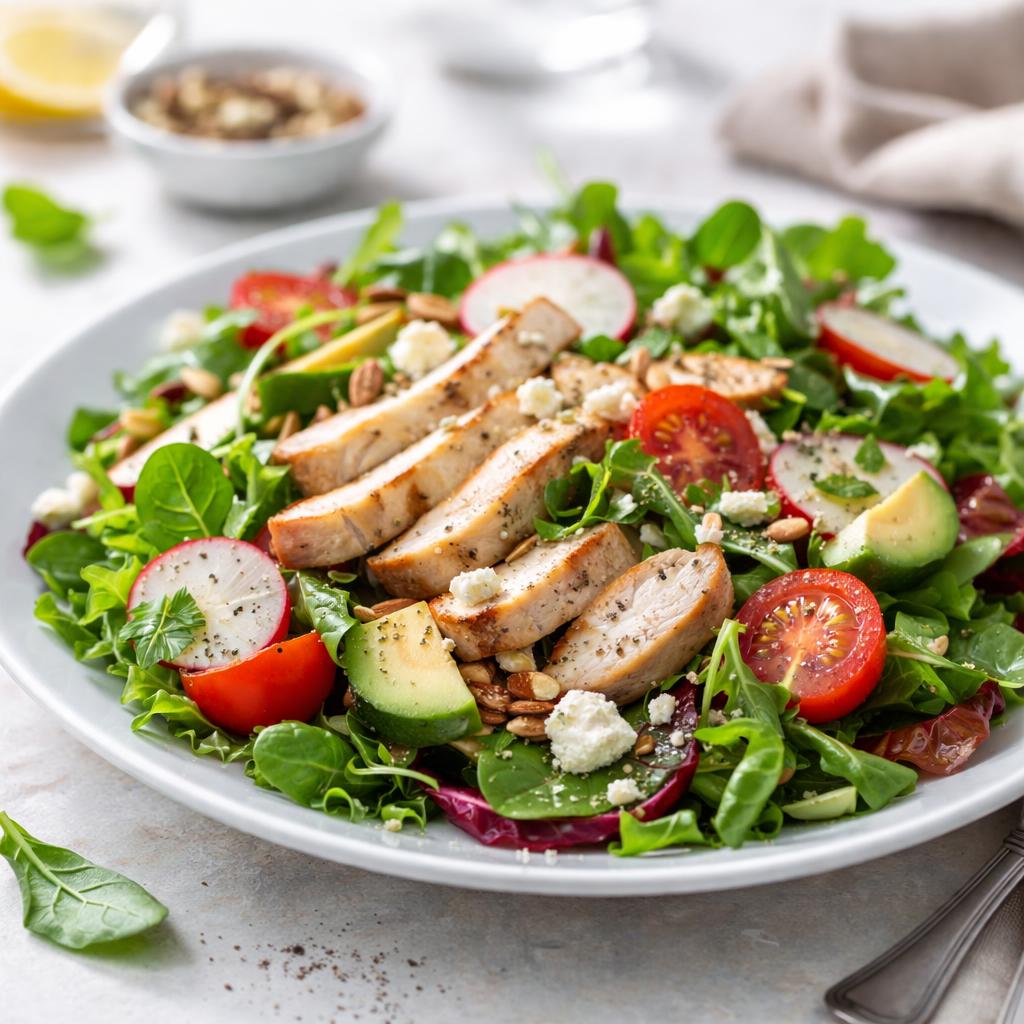
Salad
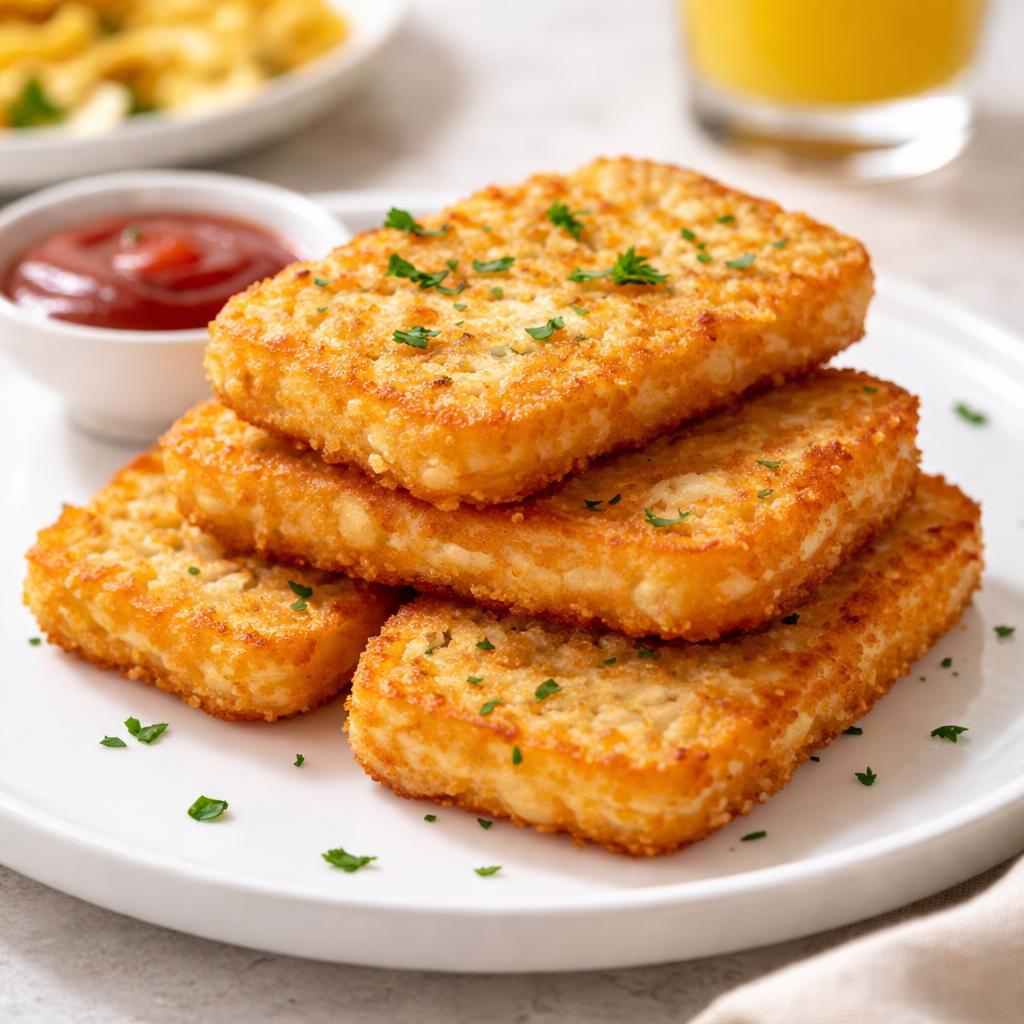
Hash Browns
🎯 Quick Verdict
Salad is overall more nutrient-dense and lower in calories compared to hash browns, making it better suited for weight loss and high-fiber diets. Hash browns, while higher in calories and carbs, are a good choice for energy-dense meals and comfort food scenarios where fast digestible energy is preferred.

Smart Nutrition Tracking with SnapCalorie

📊 Nutritional Comparison
Macronutrients
| Nutrient | Food 1 | Food 2 | Winner |
|---|---|---|---|
| Calories | 50 | 210 | ✓ |
| Protein | 3g | 2g | ✓ |
| Carbs | 8g | 31g | ✓ |
| Fat | 0.5g | 11g | ✓ |
| Fiber | 2.5g | 1g | ✓ |
Vitamins & Minerals
| Nutrient | Food 1 | Food 2 | Winner |
|---|---|---|---|
| Vitamin C | 15mg | 5mg | ✓ |
| Vitamin A | 170mcg | 10mcg | ✓ |
| Iron | 1.2mg | 0.5mg | ✓ |
🏆 Category Winners
Protein
Salad contains 50% more protein per serving compared to hash browns.
Fiber
Salad has 2.5x more fiber, benefiting digestion and satiety.
Calories
Salad has approximately 75% fewer calories per serving, making it great for low-calorie diets.
🥗 Diet Compatibility
Keto
Food 1: Compatible
Food 2: Compatible
Salad has low carbs; hash browns could fit in keto if consumed sparingly with added fats.
Vegan
Food 1: Compatible
Food 2: Compatible
Both are plant-based and vegan-friendly.
Gluten Free
Food 1: Compatible
Food 2: Compatible
Neither contain gluten inherently.
Paleo
Food 1: Compatible
Food 2: Not Compatible
Salad aligns with whole food principles; hash browns may contain processed oils and non-paleo ingredients.
Low Carb
Food 1: Compatible
Food 2: Not Compatible
Salad is very low in carbs, while hash browns are carb-heavy due to their potato base.
💪 Health Benefits Comparison
Food 1 Benefits
- Low calorie density for weight loss
- High in fiber for improved digestion
- Rich in vitamins A and C for immune and vision health
- Contains antioxidants to reduce inflammation
Food 2 Benefits
- Provides fast-digesting carbs for quick energy
- Good source of healthy fats (when made with plant-based oils)
- Offers modest levels of potassium for muscle function
- Comfort food satisfaction, beneficial for occasional indulgence
✅ The Bottom Line
Salad is a better overall choice for weight loss, overall health, digestion, and vitamin intake. Hash browns are suitable for energy-dense meals or as part of comfort food occasions but should be consumed in moderation due to their higher fat and carb content. It's ideal to choose salad for nutrient density and hash browns for occasional indulgence or active days.
Choose Food 1 for: Weight loss, high-fiber diets, nutrient-dense meals
Choose Food 2 for: Quick energy, comfort food occasions, indulgence


