Salad VS Green Peas
A detailed nutritional comparison
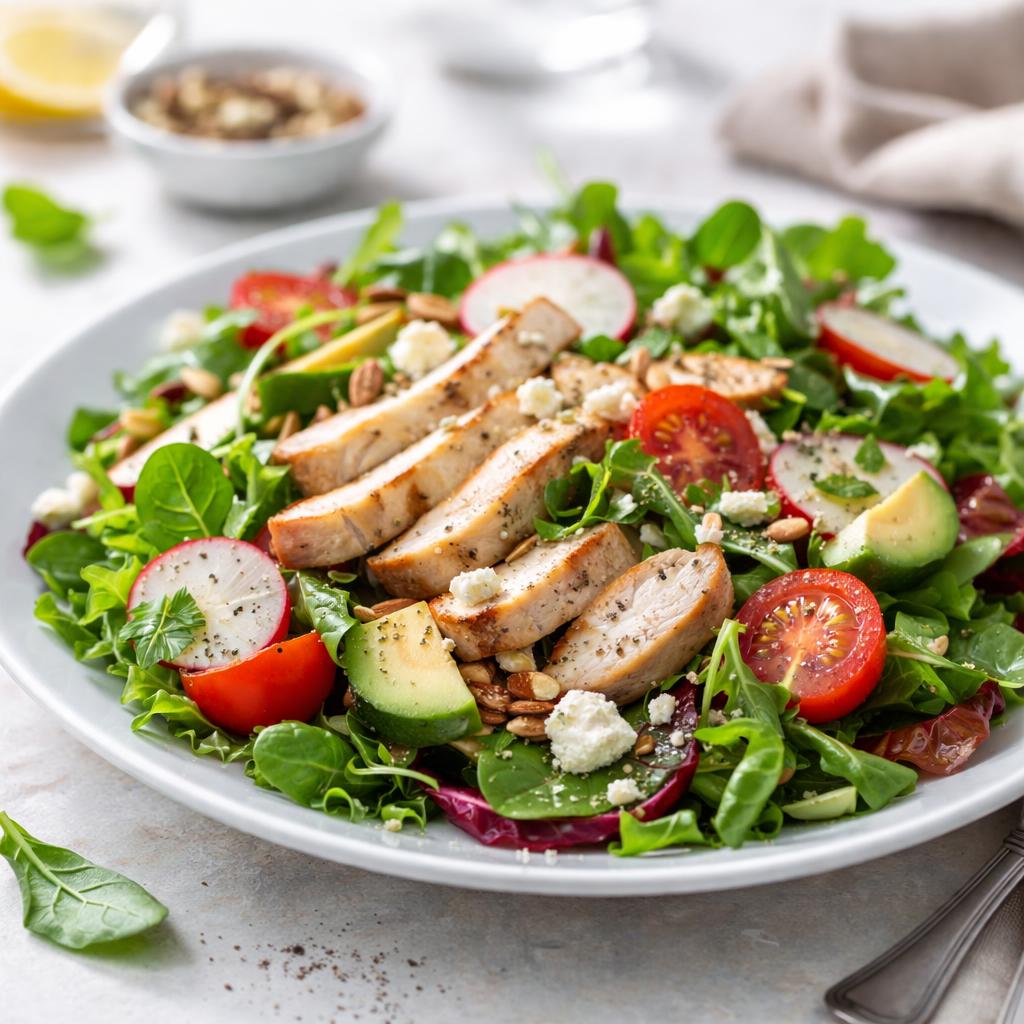
Salad
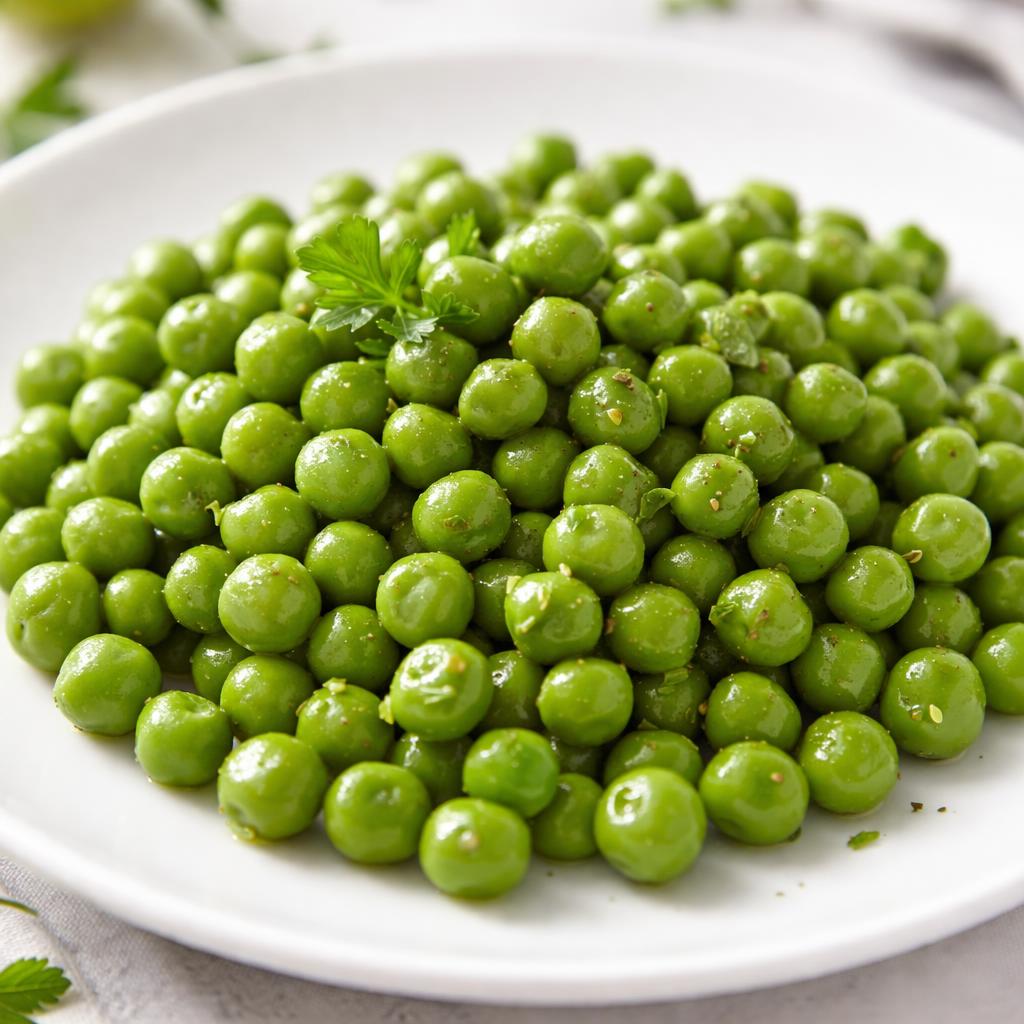
Green Peas
🎯 Quick Verdict
Salad is a lower-calorie option great for weight loss, while green peas provide more protein and fiber per serving, making them ideal for muscle recovery and digestive health. Both are nutrient-dense, but their use cases depend on dietary goals.

Smart Nutrition Tracking with SnapCalorie

📊 Nutritional Comparison
Macronutrients
| Nutrient | Food 1 | Food 2 | Winner |
|---|---|---|---|
| Calories | 25 | 62 | ✓ |
| Protein | 1g | 4g | ✓ |
| Carbs | 5g | 11g | ✓ |
| Fat | 0.3g | 0.4g | − |
| Fiber | 2g | 4g | ✓ |
Vitamins & Minerals
| Nutrient | Food 1 | Food 2 | Winner |
|---|---|---|---|
| Vitamin C | 15mg | 14mg | ✓ |
| Vitamin K | 57mcg | 24mcg | ✓ |
| Iron | 0.3mg | 1.5mg | ✓ |
| Calcium | 15mg | 25mg | ✓ |
🏆 Category Winners
Protein
Green peas contain 4g of protein versus salad's 1g per serving.
Fiber
Green peas offer 4g fiber, double the amount in salad.
Calories
Salad has only 25 calories per serving, compared to 62 in green peas.
Vitamins
Salad is richer in vitamin K and slightly higher in vitamin C.
🥗 Diet Compatibility
Keto
Food 1: Compatible
Food 2: Not Compatible
Salad is low-carb and keto-friendly.
Vegan
Food 1: Compatible
Food 2: Compatible
Both foods are plant-based and vegan.
Gluten Free
Food 1: Compatible
Food 2: Compatible
Neither contains gluten.
Paleo
Food 1: Compatible
Food 2: Compatible
Both fit within the paleo diet guidelines.
Low Carb
Food 1: Compatible
Food 2: Not Compatible
Salad has fewer carbs (5g vs 11g).
💪 Health Benefits Comparison
Food 1 Benefits
- Extremely low in calories, ideal for weight management
- Rich in vitamin K, supporting bone health and blood clotting
- Contains antioxidants, such as beta-carotene, for skin health
Food 2 Benefits
- High in protein, supporting muscle repair and growth
- Great source of dietary fiber, promoting digestive health
- Contains iron and calcium, essential for red blood cell formation and bone health
✅ The Bottom Line
Choose salad for weight loss, low-carb, or keto-friendly diets, and green peas for protein, fiber, and mineral density. Both foods complement a healthy diet and can work well together.
Choose Food 1 for: Weight loss, low calorie diets, side dish
Choose Food 2 for: Muscle recovery, digestive health, nutrient-dense snacks


