Salad VS Green Grapes
A detailed nutritional comparison
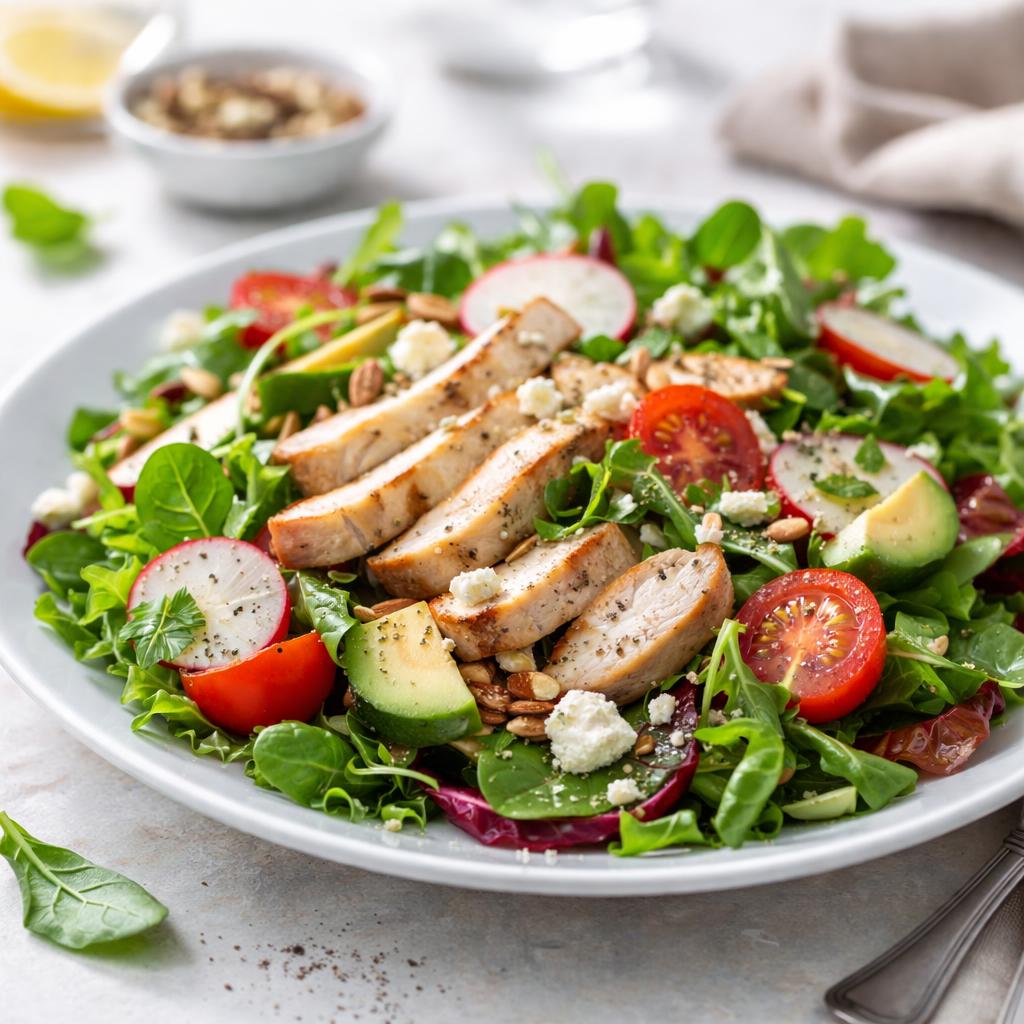
Salad
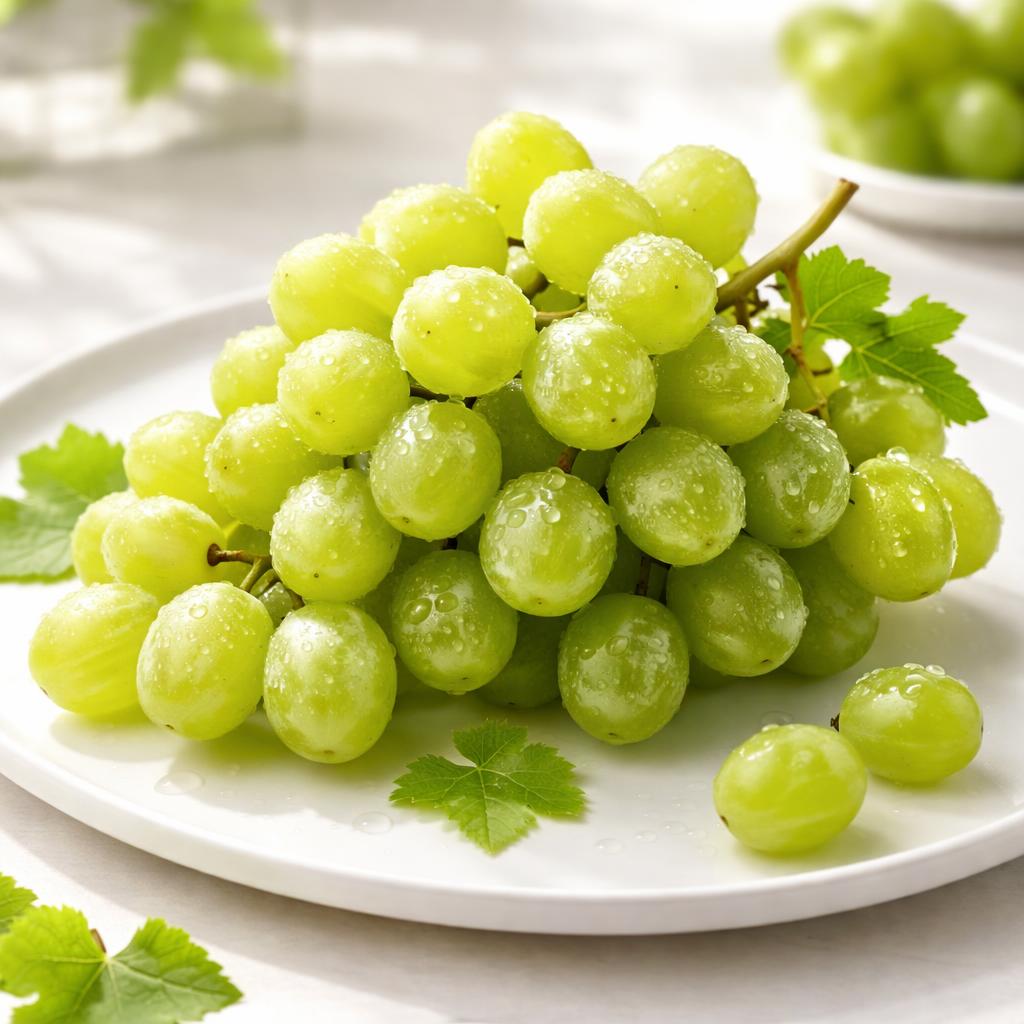
Green Grapes
🎯 Quick Verdict
Salad and green grapes differ significantly in their nutritional profiles. Salad is richer in protein, fiber, and provides fewer calories, making it ideal for weight management and digestion. Green grapes, on the other hand, are higher in natural sugars and antioxidants, offering a quick energy boost and enhancing overall nutrient intake.

Smart Nutrition Tracking with SnapCalorie

📊 Nutritional Comparison
Macronutrients
| Nutrient | Food 1 | Food 2 | Winner |
|---|---|---|---|
| Calories | 50 | 69 | ✓ |
| Protein | 2g | 0.6g | ✓ |
| Carbs | 10g | 18g | ✓ |
| Fat | 0.5g | 0.2g | ✓ |
| Fiber | 2g | 0.9g | ✓ |
Vitamins & Minerals
| Nutrient | Food 1 | Food 2 | Winner |
|---|---|---|---|
| Vitamin C | 20mg | 4mg | ✓ |
| Vitamin K | 100mcg | 22mcg | ✓ |
| Potassium | 170mg | 191mg | ✓ |
🏆 Category Winners
Protein
Salad provides over three times more protein than green grapes.
Fiber
Salad has more than double the fiber content of green grapes.
Calories
Salad has fewer calories, making it ideal for weight management.
Vitamins
Salad is richer in Vitamin C and Vitamin K compared to green grapes.
🥗 Diet Compatibility
Keto
Food 1: Compatible
Food 2: Not Compatible
Salad is low-carb (10g per serving), whereas green grapes are high in natural sugars.
Vegan
Food 1: Compatible
Food 2: Compatible
Both foods are plant-based.
Gluten Free
Food 1: Compatible
Food 2: Compatible
Neither contains gluten.
Paleo
Food 1: Compatible
Food 2: Compatible
Both fit paleo guidelines.
Low Carb
Food 1: Compatible
Food 2: Not Compatible
Salad is significantly lower in carbs, while green grapes are high-carb.
💪 Health Benefits Comparison
Food 1 Benefits
- Rich in vitamin C, which boosts immunity and skin health
- Low-calorie option for weight management
- Contains dietary fiber, aiding in digestion and gut health
- Rich in vitamin K, supporting bone and heart health
Food 2 Benefits
- High in antioxidants, benefiting cell health and reducing inflammation
- Natural source of quick energy due to simple sugars
- Rich in potassium, supporting heart function and hydration
- Provides hydration, being over 80% water
✅ The Bottom Line
Choose salad for a low-calorie, high-fiber, and nutrient-rich option, supporting weight management and digestion. Opt for green grapes as a convenient snack for energy and antioxidants. Both provide distinct health benefits and can be incorporated into balanced diets.
Choose Food 1 for: Weight loss, digestion, nutrient-dense meals
Choose Food 2 for: Quick energy, hydration, antioxidant boost


