Salad VS Gnocchi
A detailed nutritional comparison
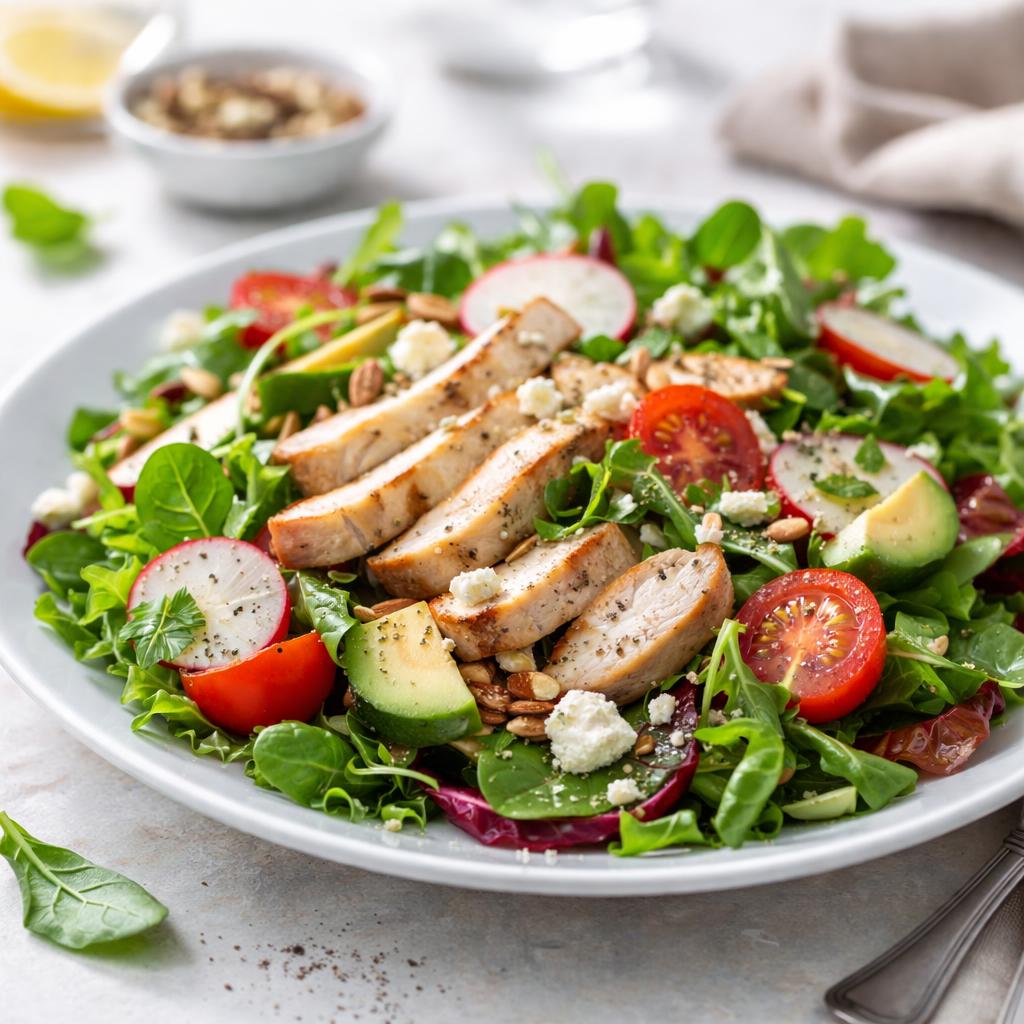
Salad
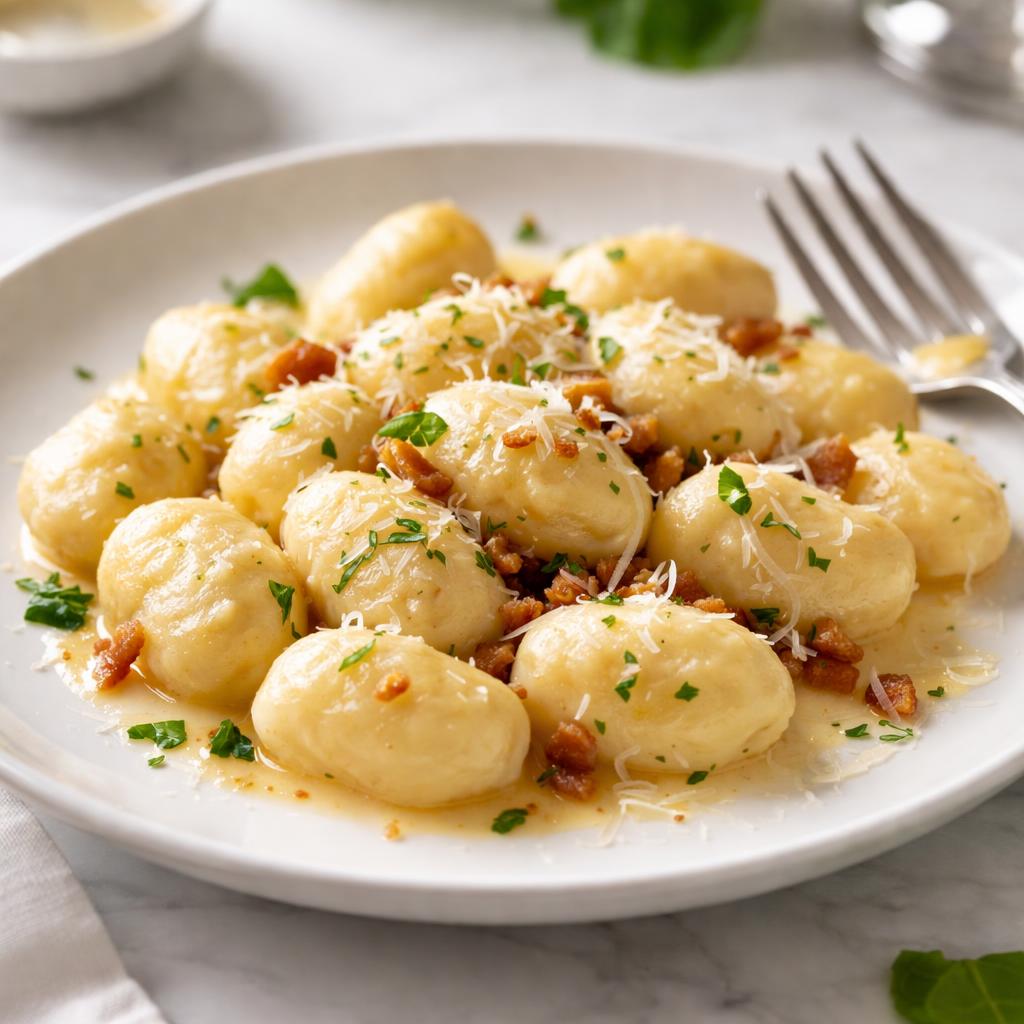
Gnocchi
🎯 Quick Verdict
Salad is lower in calories and higher in fiber and micronutrients, making it ideal for weight management and a nutrient-dense choice. Gnocchi, while higher in carbs and calories, provides sustained energy and is better suited as a hearty and satisfying option for active lifestyles or high-energy meals.

Smart Nutrition Tracking with SnapCalorie

📊 Nutritional Comparison
Macronutrients
| Nutrient | Food 1 | Food 2 | Winner |
|---|---|---|---|
| Calories | 90 | 250 | ✓ |
| Protein | 3g | 3g | − |
| Carbs | 8g | 50g | ✓ |
| Fat | 2g | 1g | ✓ |
| Fiber | 4g | 2g | ✓ |
Vitamins & Minerals
| Nutrient | Food 1 | Food 2 | Winner |
|---|---|---|---|
| Vitamin C | 12mg | 0mg | ✓ |
| Vitamin A | 550mcg | 0mcg | ✓ |
| Iron | 2mg | 1mg | ✓ |
🏆 Category Winners
Protein
Both foods provide equal amounts of protein at around 3g per serving.
Fiber
Salad has double the fiber (4g vs 2g per serving), supporting digestion and fullness.
Calories
Salad contains significantly fewer calories (90 vs 250), making it better for weight management.
Vitamins
Salad is rich in Vitamin C and A, lacking in gnocchi.
🥗 Diet Compatibility
Keto
Food 1: Compatible
Food 2: Not Compatible
Salad is low-carb (8g per serving) while gnocchi is high-carb (50g per serving).
Vegan
Food 1: Compatible
Food 2: Compatible
Both can be vegan depending on preparation.
Gluten Free
Food 1: Compatible
Food 2: Not Compatible
Salad is naturally gluten-free while traditional gnocchi contains wheat flour.
Paleo
Food 1: Compatible
Food 2: Not Compatible
Salad fits paleo guidelines, but gnocchi often includes processed grains.
Low Carb
Food 1: Compatible
Food 2: Not Compatible
Salad's carbohydrate content is significantly lower (8g vs 50g).
💪 Health Benefits Comparison
Food 1 Benefits
- Rich in fiber for improved digestion and satiety
- Low in calories, making it suitable for weight management
- High in vitamins A and C for immune and eye health
- Provides antioxidants from leafy greens
Food 2 Benefits
- Carbohydrate-rich for sustained energy
- Low in fat, making it light on digestion
- Moderate protein content to support muscle maintenance
- Provides trace minerals such as potassium
✅ The Bottom Line
Salad is an excellent low-calorie, high-fiber option ideal for those focused on weight management, nutrient density, or light meals. Gnocchi is a high-carb, satisfying choice best suited for energy-packed meals or active lifestyles with higher calorie needs.
Choose Food 1 for: Weight loss, low-carb diets, nutrient-dense meals
Choose Food 2 for: Carbohydrate loading, energy for physical activity, satiating comfort meals


