Salad VS Ginger
A detailed nutritional comparison
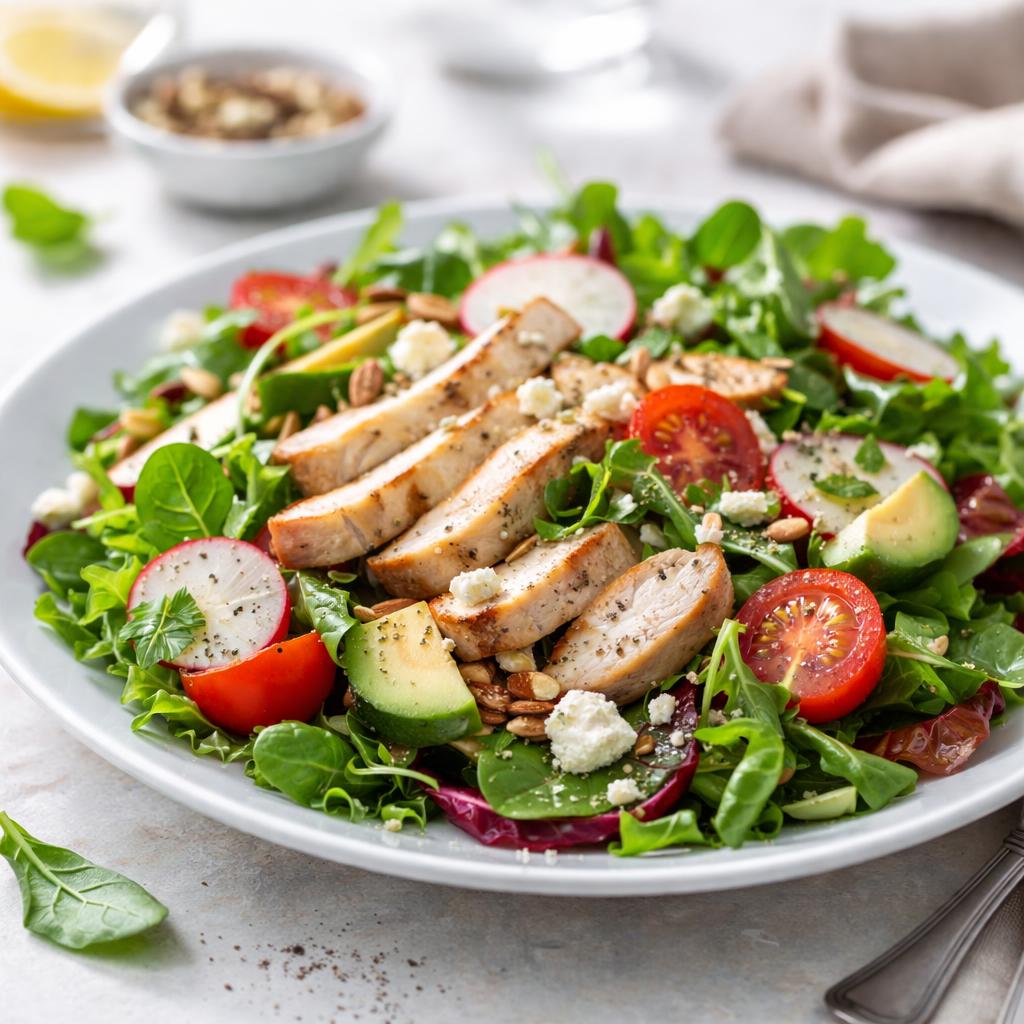
Salad
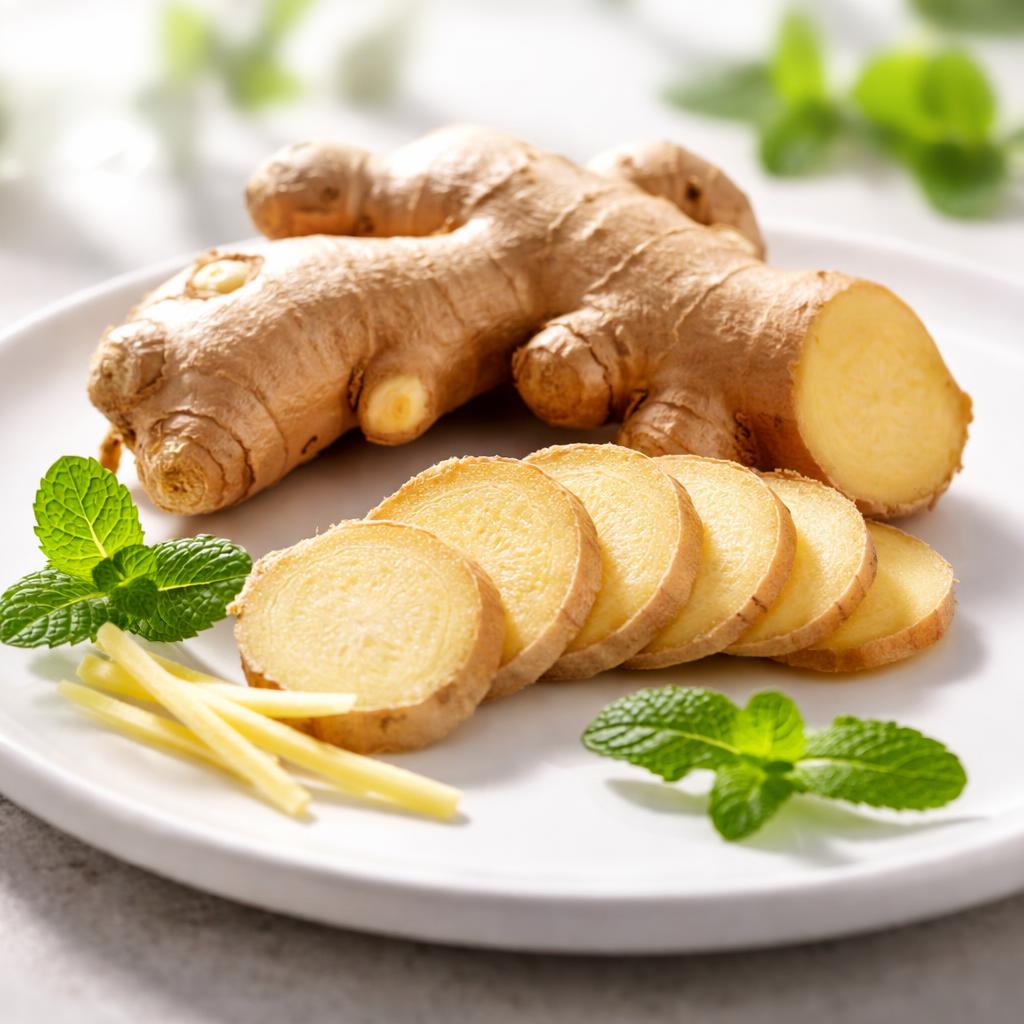
Ginger
🎯 Quick Verdict
Salad and ginger serve different purposes in a diet. Salad is lower in calories, higher in protein, and contains more fiber, making it ideal for weight management and gut health. Ginger is richer in antioxidants, vitamins, and adds functional health benefits like anti-inflammatory properties, making it great for overall wellness and digestive support.

Smart Nutrition Tracking with SnapCalorie

📊 Nutritional Comparison
Macronutrients
| Nutrient | Food 1 | Food 2 | Winner |
|---|---|---|---|
| Calories | 20 | 80 | ✓ |
| Protein | 2g | 1.8g | ✓ |
| Carbs | 4g | 17g | ✓ |
| Fat | 0.1g | 0.75g | ✓ |
| Fiber | 1.5g | 0.7g | ✓ |
Vitamins & Minerals
| Nutrient | Food 1 | Food 2 | Winner |
|---|---|---|---|
| Vitamin C | 10mg | 5mg | ✓ |
| Vitamin A | 50mcg | 0mcg | ✓ |
| Potassium | 170mg | 415mg | ✓ |
| Magnesium | 10mg | 25mg | ✓ |
🏆 Category Winners
Protein
Salad provides slightly higher protein content.
Fiber
Salad has more dietary fiber per serving compared to ginger.
Calories
Salad is significantly lower in calories, making it better for weight-conscious diets.
Vitamins
Salad contains higher levels of Vitamin A and Vitamin C.
🥗 Diet Compatibility
Keto
Food 1: Compatible
Food 2: Moderately Compatible
Salad is low in carbs; ginger has slightly higher carb content but can fit moderate keto diets.
Vegan
Food 1: Compatible
Food 2: Compatible
Both foods are plant-based and suitable for vegans.
Gluten Free
Food 1: Compatible
Food 2: Compatible
Neither food contains gluten.
Paleo
Food 1: Compatible
Food 2: Compatible
Both foods are natural, unprocessed, and paleo-friendly.
Low Carb
Food 1: Compatible
Food 2: Partially Compatible
Food1 is very low-carb, while ginger is higher in carbs but acceptable in small quantities.
💪 Health Benefits Comparison
Food 1 Benefits
- Low in calories, supports weight loss
- High in fiber for digestive health
- Source of Vitamin A and Vitamin C for immune and skin health
Food 2 Benefits
- Contains antioxidants for fighting free radicals
- Supports digestion and relieves nausea
- Anti-inflammatory properties to reduce pain and swelling
- Rich in potassium and magnesium for heart health
✅ The Bottom Line
Choose salad for weight loss, improved digestion, and a nutrient-rich meal base. Opt for ginger to enhance flavor, improve digestion, and leverage its anti-inflammatory benefits. Together, they can complement different aspects of a healthy diet.
Choose Food 1 for: Weight management, nutrient-rich meals, digestion support
Choose Food 2 for: Anti-inflammatory purposes, digestive aid, flavor enhancement in cooking


