Salad VS Garlic Bread
A detailed nutritional comparison
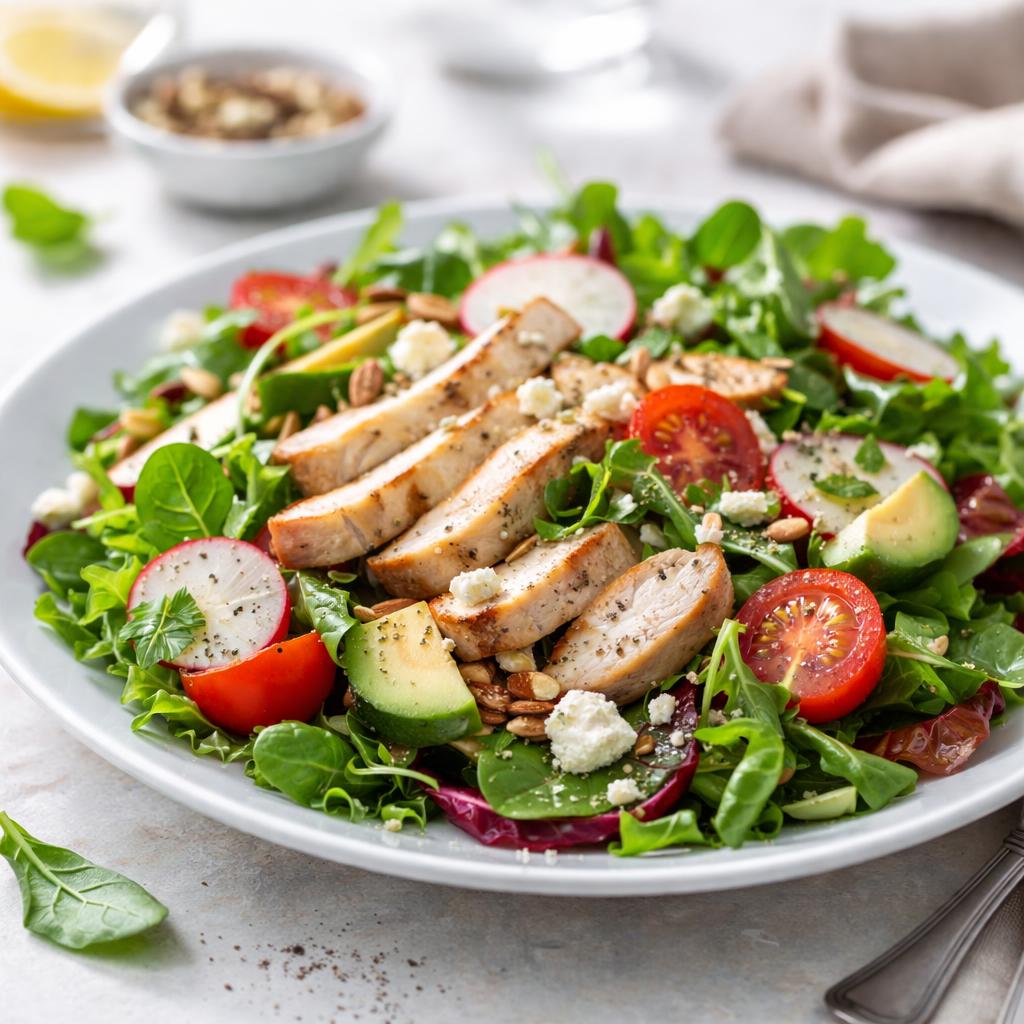
Salad
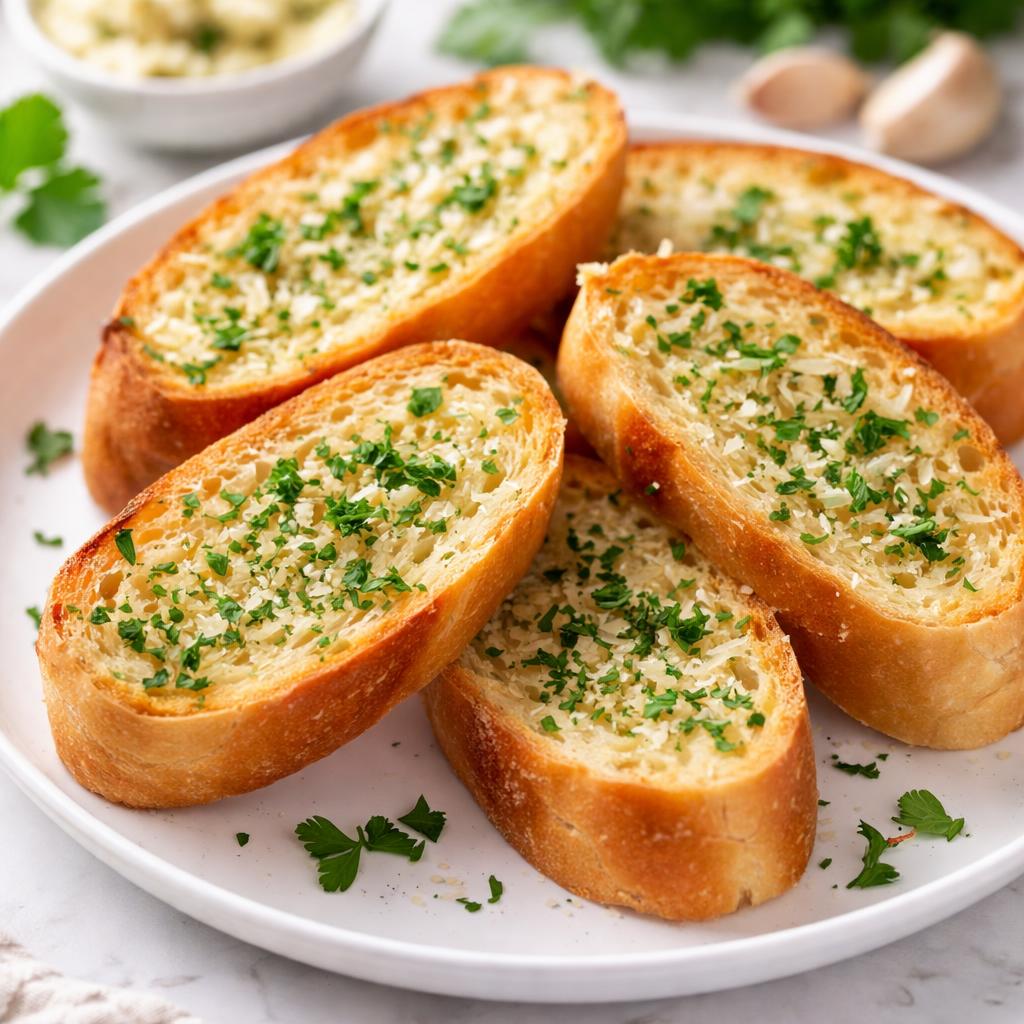
Garlic Bread
🎯 Quick Verdict
Salad is lower in calories and higher in fiber, making it ideal for weight management and digestion. Garlic bread, on the other hand, is higher in protein and provides more sustained energy due to a higher carbohydrate and fat content. Both foods have their strengths depending on dietary needs and goals.

Smart Nutrition Tracking with SnapCalorie

📊 Nutritional Comparison
Macronutrients
| Nutrient | Food 1 | Food 2 | Winner |
|---|---|---|---|
| Calories | 100 | 250 | ✓ |
| Protein | 3g | 6g | ✓ |
| Carbs | 10g | 35g | ✓ |
| Fat | 4g | 10g | ✓ |
| Fiber | 2.5g | 1g | ✓ |
Vitamins & Minerals
| Nutrient | Food 1 | Food 2 | Winner |
|---|---|---|---|
| Vitamin A | 2000IU | 50IU | ✓ |
| Vitamin C | 10mg | 1mg | ✓ |
| Calcium | 40mg | 100mg | ✓ |
| Iron | 1mg | 2mg | ✓ |
🏆 Category Winners
Protein
Garlic bread provides twice as much protein per serving compared to salad.
Fiber
Salad contains more than double the fiber, aiding digestion and promoting gut health.
Calories
Salad has less than half the calories of garlic bread, making it better for weight management.
🥗 Diet Compatibility
Keto
Food 1: Compatible
Food 2: Not Compatible
Salad is lower in carbs and fits into a keto diet, while garlic bread contains high carbs.
Vegan
Food 1: Compatible
Food 2: Not Compatible
Salad is typically plant-based, but garlic bread often contains dairy ingredients (butter).
Gluten Free
Food 1: Compatible
Food 2: Not Compatible
Salad does not contain gluten, but garlic bread is made with wheat-based ingredients.
Paleo
Food 1: Compatible
Food 2: Not Compatible
Salad aligns with a paleo diet, while garlic bread contains processed grains and dairy.
Low Carb
Food 1: Compatible
Food 2: Not Compatible
Salad is low in carbohydrates, whereas garlic bread is carb-dense.
💪 Health Benefits Comparison
Food 1 Benefits
- High in fiber for improved digestion
- Rich in vitamin A for eye health
- Helps with hydration due to high water content
Food 2 Benefits
- Provides sustained energy due to its carbohydrate content
- Rich in calcium for bone health
- Contains iron for better oxygen transport in the body
✅ The Bottom Line
Choose salad for weight loss, digestion, and nutrient density. Garlic bread is better for energy needs, satisfying cravings, and providing proteins and minerals. Salad is ideal as a main or side for a light meal, while garlic bread works well for adding flavor and carbohydrates to meals.
Choose Food 1 for: Weight loss, digestion support, hydration
Choose Food 2 for: Energy boost, satisfying cravings, nutrient supplementation


