Salad VS Frozen Berries
A detailed nutritional comparison
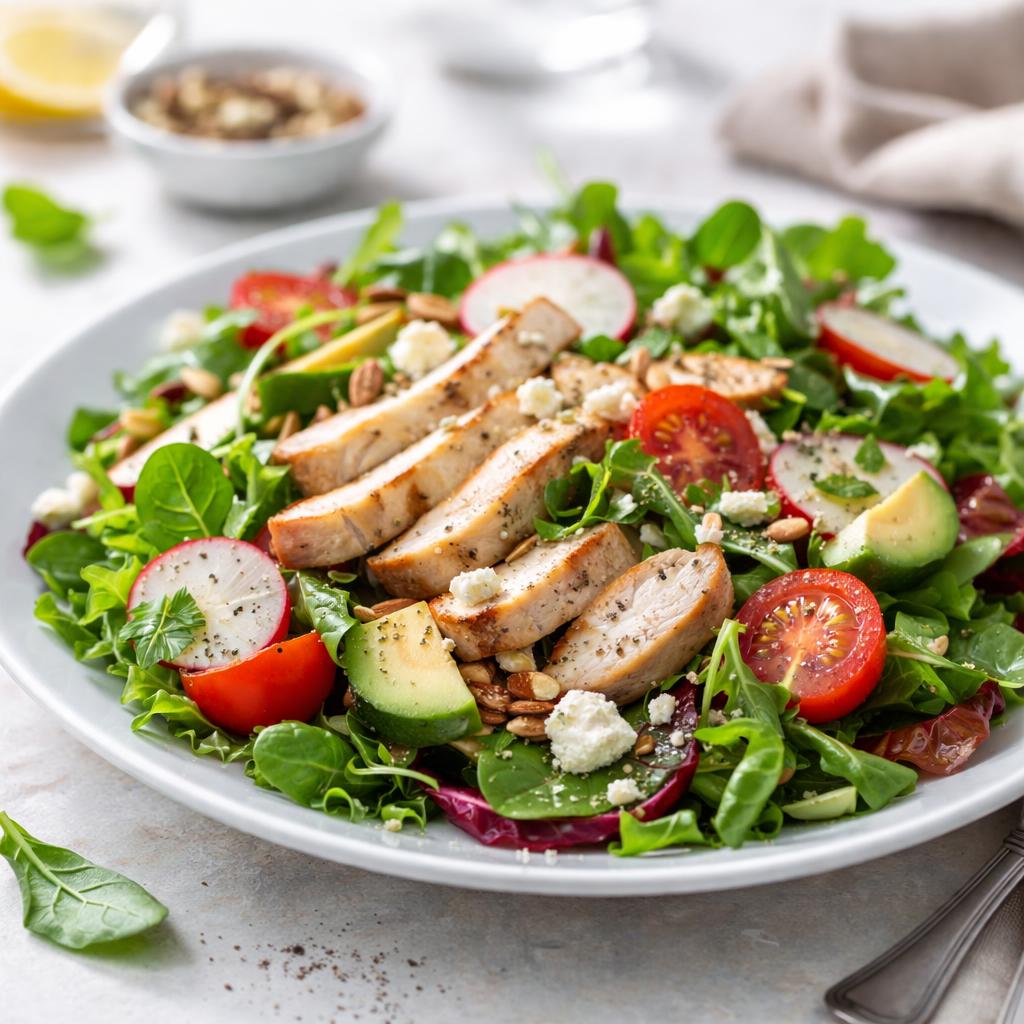
Salad
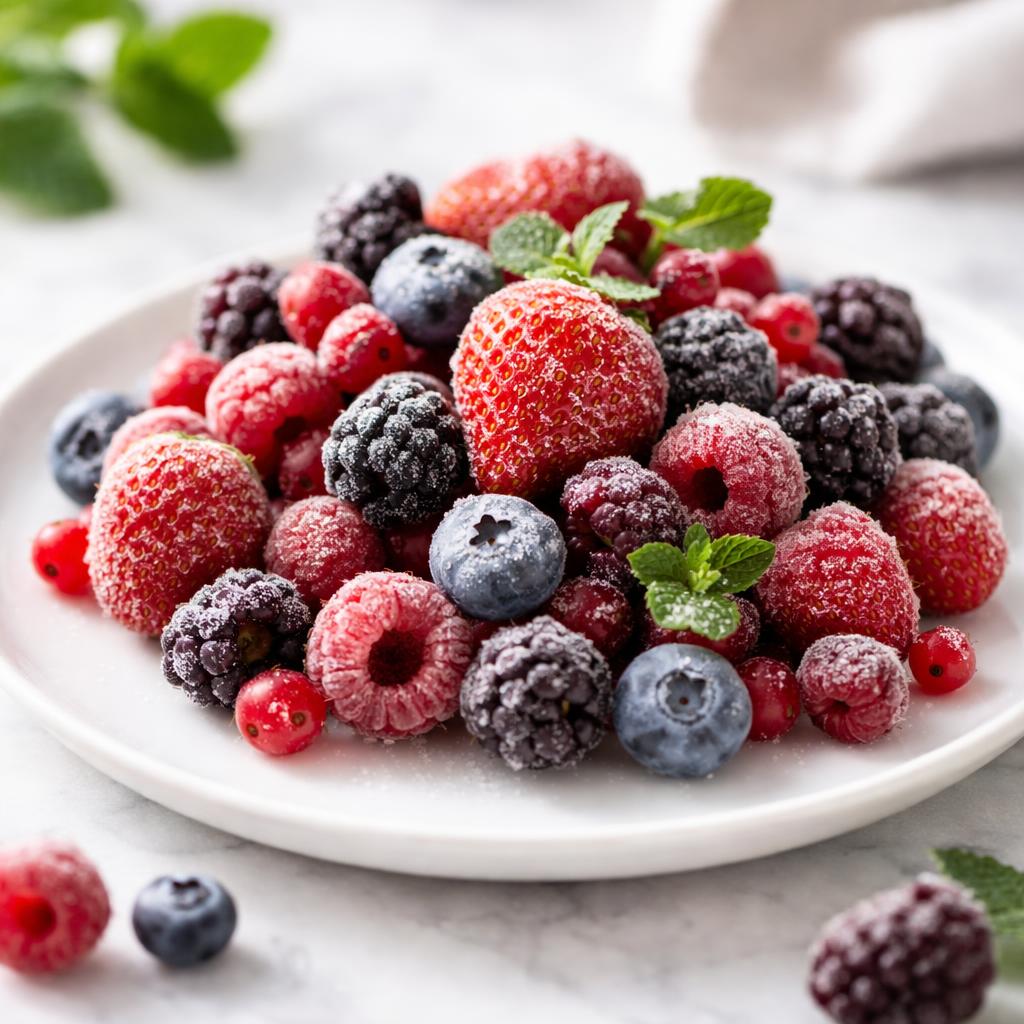
Frozen Berries
🎯 Quick Verdict
Salad and frozen berries both offer significant nutritional benefits, but they excel in different areas. Salad is lower in calories and higher in protein, making it great for weight loss and meal bases. Frozen berries shine with their higher fiber content and antioxidant-rich profile, ideal for gut health and added sweetness to meals.

Smart Nutrition Tracking with SnapCalorie

📊 Nutritional Comparison
Macronutrients
| Nutrient | Food 1 | Food 2 | Winner |
|---|---|---|---|
| Calories | 50 | 70 | ✓ |
| Protein | 2g | 1g | ✓ |
| Carbs | 7g | 17g | ✓ |
| Fat | 0g | 0g | − |
| Fiber | 1g | 5g | ✓ |
Vitamins & Minerals
| Nutrient | Food 1 | Food 2 | Winner |
|---|---|---|---|
| Vitamin C | 9mg | 20mg | ✓ |
| Vitamin A | 1700 IU | 30 IU | ✓ |
| Calcium | 15mg | 18mg | ✓ |
🏆 Category Winners
Protein
Salad has twice the protein as frozen berries per serving.
Fiber
Frozen berries offer 5x more fiber than salad.
Calories
Salad is low-calorie, providing 30% fewer calories than frozen berries.
Vitamins
Frozen berries are richer in vitamin C and provide slightly higher mineral content overall.
🥗 Diet Compatibility
Keto
Food 1: Compatible
Food 2: Not Compatible
Salad is low-carb, while frozen berries contain more sugar and carbs.
Vegan
Food 1: Compatible
Food 2: Compatible
Both options are plant-based and vegan-friendly.
Gluten Free
Food 1: Compatible
Food 2: Compatible
Neither food contains gluten.
Paleo
Food 1: Compatible
Food 2: Compatible
Both foods adhere to paleo guidelines as whole, minimally processed foods.
Low-Carb
Food 1: Compatible
Food 2: Not Compatible
Salad is better suited for low-carb diets due to its minimal carbohydrate content.
💪 Health Benefits Comparison
Food 1 Benefits
- Low-calorie option for weight management.
- Rich in vitamin A, supporting eye health.
- Provides hydration and essential electrolytes.
Food 2 Benefits
- High in fiber to promote digestion and gut health.
- Packed with antioxidants that fight free radicals.
- Good source of vitamin C, bolstering immunity.
✅ The Bottom Line
Salad is ideal for low-calorie meals or as a base for nutrient-dense dishes, while frozen berries are a fiber-rich, antioxidant-packed option perfect for snacks, desserts, or smoothies. The choice depends on your dietary focus—weight control vs. nutrient density and sweet flavor options.
Choose Food 1 for: Weight loss, low-carb diets, meal bases
Choose Food 2 for: Gut health, snacks, antioxidant boost


