Salad VS Fries
A detailed nutritional comparison
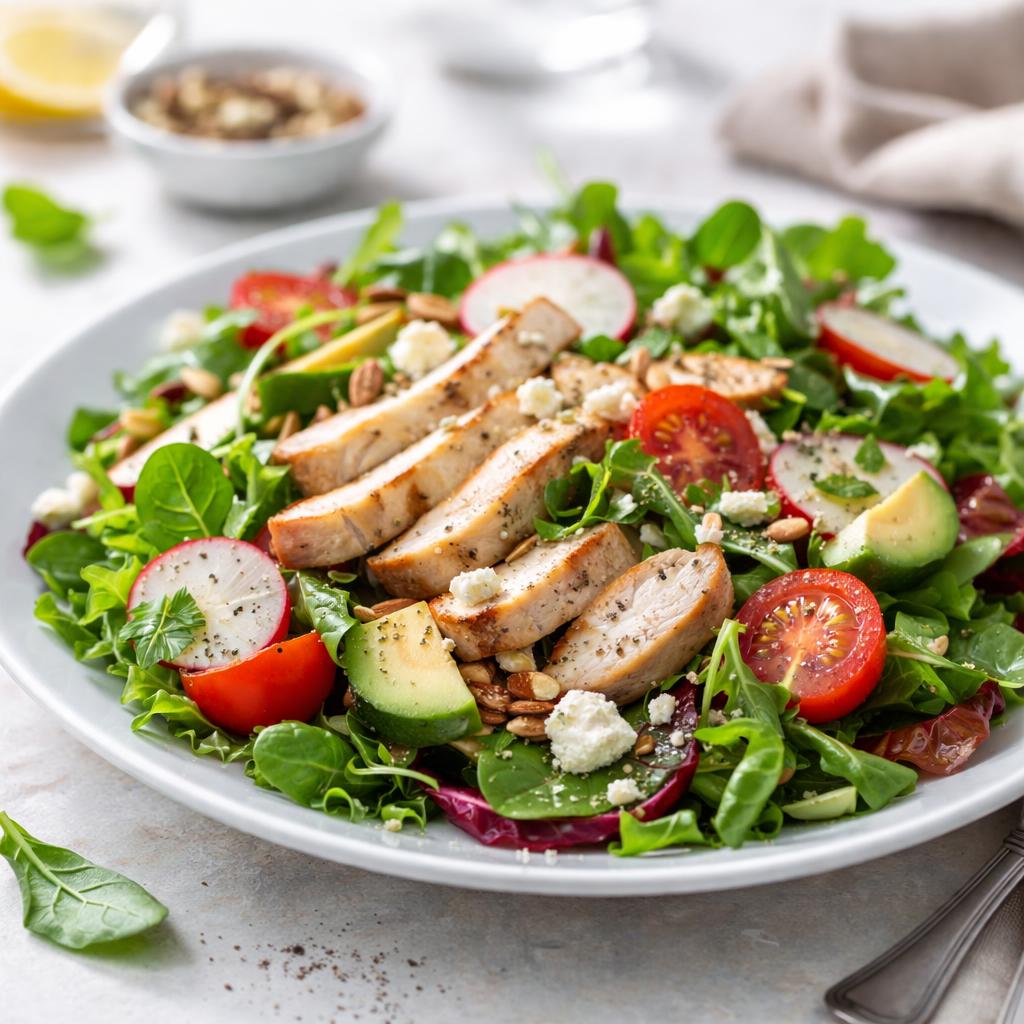
Salad
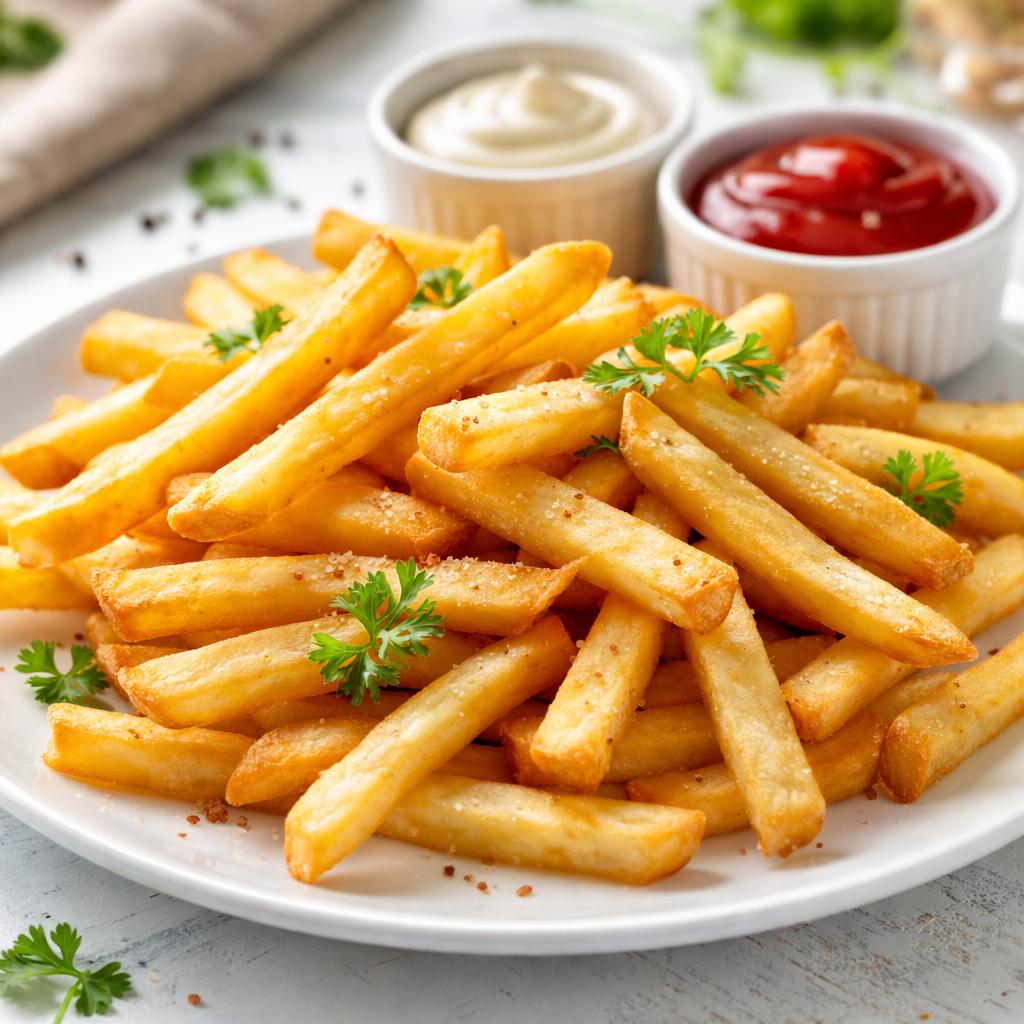
Fries
🎯 Quick Verdict
Salad is a nutrient-dense, low-calorie option ideal for weight management and improving digestion. Fries, while high in calories and fats, provide quick energy and may satisfy cravings but lack substantial fiber and protein. Salad is better suited for health-conscious diets, while fries should be considered an occasional indulgence.

Smart Nutrition Tracking with SnapCalorie

📊 Nutritional Comparison
Macronutrients
| Nutrient | Food 1 | Food 2 | Winner |
|---|---|---|---|
| Calories | 70 | 365 | ✓ |
| Protein | 3g | 3g | − |
| Carbs | 12g | 51g | ✓ |
| Fat | 2.5g | 17g | ✓ |
| Fiber | 4g | 3g | ✓ |
Vitamins & Minerals
| Nutrient | Food 1 | Food 2 | Winner |
|---|---|---|---|
| Vitamin A | 3610 IU | 0 IU | ✓ |
| Vitamin C | 13mg | 8mg | ✓ |
| Potassium | 280mg | 400mg | ✓ |
| Calcium | 40mg | 14mg | ✓ |
🏆 Category Winners
Protein
Both foods contain 3g of protein per serving.
Fiber
Salad is 33% higher in fiber compared to fries.
Calories
Salad has 80% fewer calories.
Vitamins
Salad contains a richer profile of vitamins including Vitamin A and C.
🥗 Diet Compatibility
Keto
Food 1: Compatible
Food 2: Not Compatible
Salad is low-carb, while fries are carb-dense.
Vegan
Food 1: Compatible
Food 2: Compatible
Both foods are plant-based.
Gluten Free
Food 1: Compatible
Food 2: Compatible
Neither contains gluten unless added through condiments or preparation method.
Paleo
Food 1: Compatible
Food 2: Not Compatible
Fries are typically processed and fried in oil, making them incompatible with strict paleo diets.
Low Carb
Food 1: Compatible
Food 2: Not Compatible
Salad contains significantly fewer carbs than fries.
💪 Health Benefits Comparison
Food 1 Benefits
- Low in calories for weight management
- High in fiber for digestive health
- Rich in vitamins (A & C) for skin and immunity
- Hydrating due to high water content
Food 2 Benefits
- Provides quick energy due to high carbohydrate content
- Contains potassium for muscle and heart function
- May satisfy taste and comfort cravings
✅ The Bottom Line
Salad is the better choice for weight management, nutrient density, and digestion, while fries are better suited for occasional indulgences when craving comfort food. Nutritionally, salad offers fewer calories and more vitamins and fiber, making it a better everyday option.
Choose Food 1 for: Weight loss, digestive health, low-calorie diets
Choose Food 2 for: Comfort food, quick energy, satisfying cravings


