Salad VS Figs
A detailed nutritional comparison
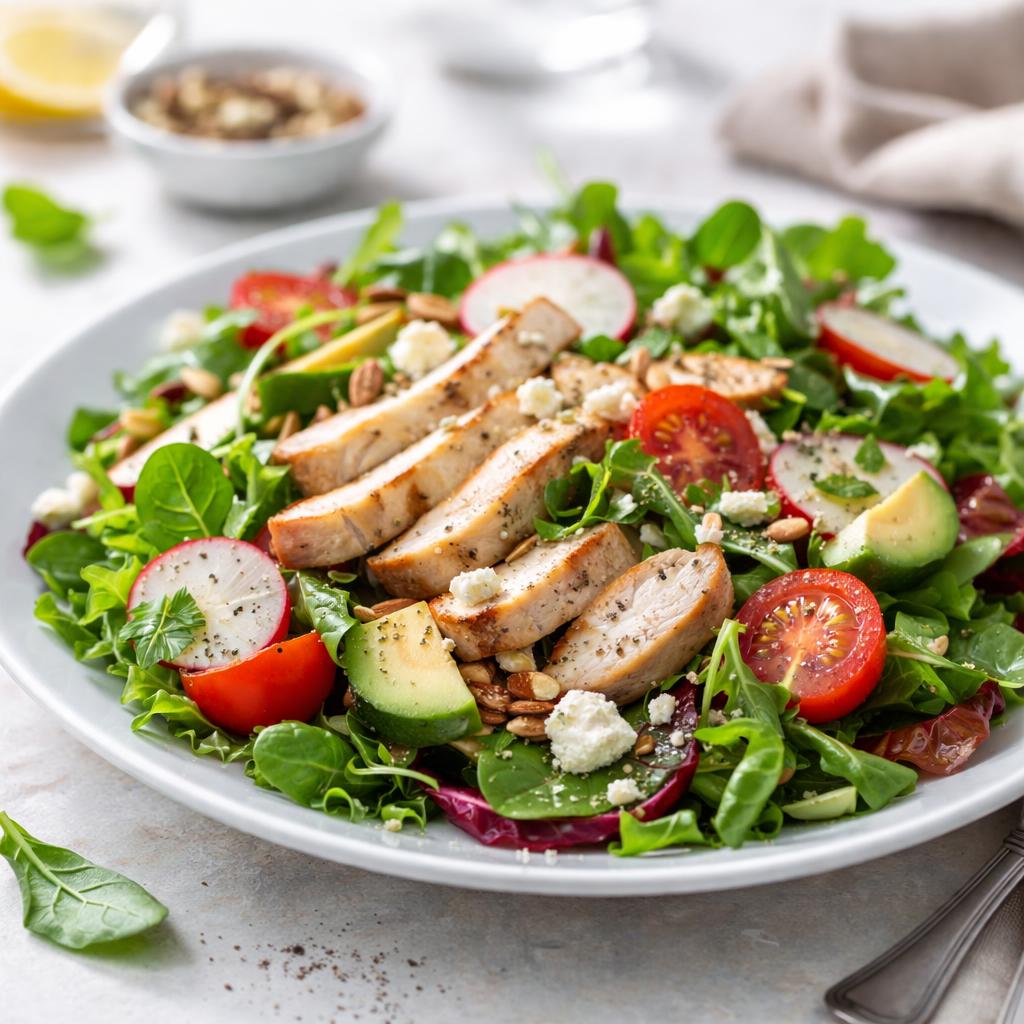
Salad
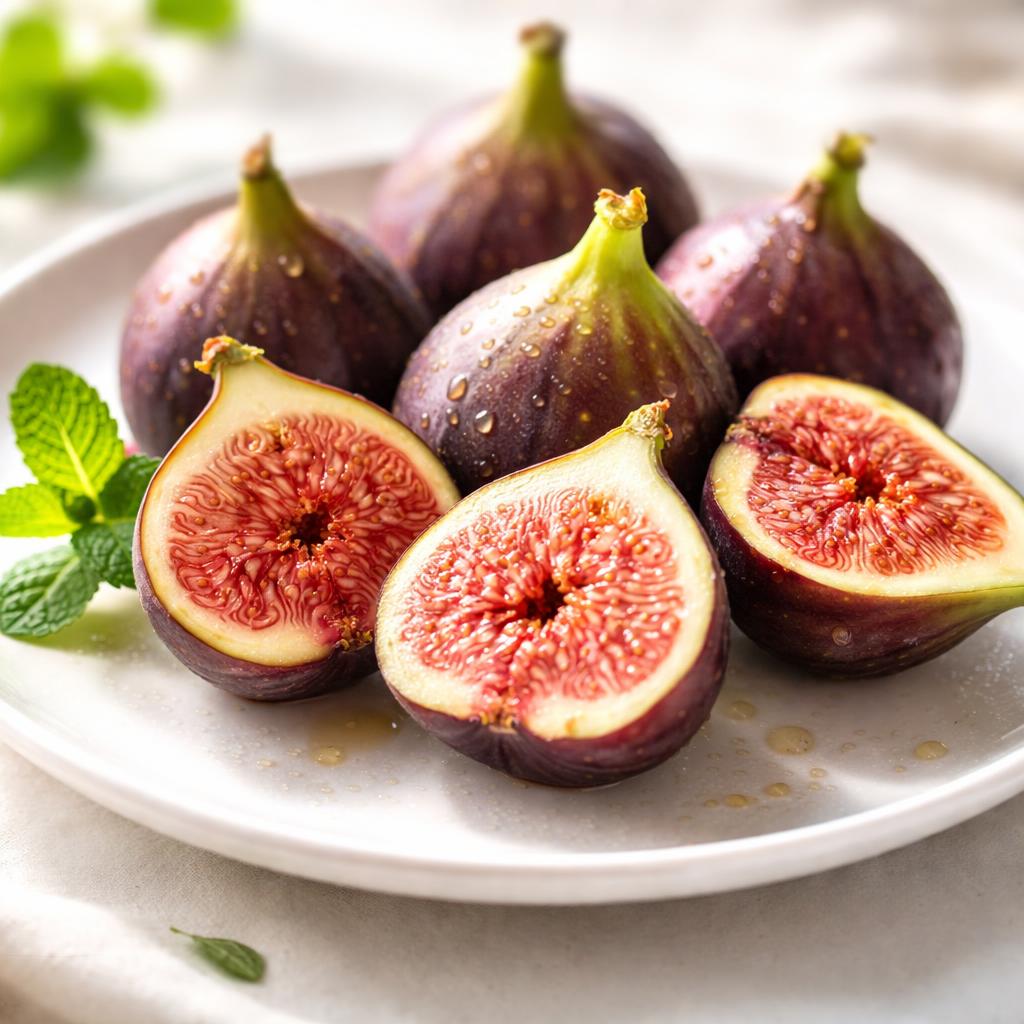
Figs
🎯 Quick Verdict
Salad is lower in calories and provides more protein per serving, making it a better choice for weight-conscious individuals and those focused on protein intake. Figs, on the other hand, are richer in fiber and natural sugars, offering a great nutrient-dense snack for energy and digestion. Both are excellent for different contexts depending on your dietary needs.

Smart Nutrition Tracking with SnapCalorie

📊 Nutritional Comparison
Macronutrients
| Nutrient | Food 1 | Food 2 | Winner |
|---|---|---|---|
| Calories | 35 | 74 per fig | ✓ |
| Protein | 1g | 0.3g per fig | ✓ |
| Carbs | 4g | 19g per fig | ✓ |
| Fat | 0.5g | 0.2g per fig | ✓ |
| Fiber | 1.5g | 3g per fig | ✓ |
Vitamins & Minerals
| Nutrient | Food 1 | Food 2 | Winner |
|---|---|---|---|
| Vitamin C | 9mg | 1mg per fig | ✓ |
| Vitamin K | 50mcg | 2mcg per fig | ✓ |
| Calcium | 40mg | 18mg per fig | ✓ |
| Iron | 0.7mg | 0.3mg per fig | ✓ |
🏆 Category Winners
Protein
Salad provides over three times the protein per serving compared to figs.
Fiber
Figs contain twice as much fiber per serving as salad, benefiting digestion.
Calories
Salad has considerably fewer calories, making it ideal for weight management.
Vitamins
Salad is rich in vitamin C, vitamin K, and other essential nutrients compared to figs.
🥗 Diet Compatibility
Keto
Food 1: Compatible
Food 2: Not Compatible
Salad is low-carb, while figs are high in carbohydrates.
Vegan
Food 1: Compatible
Food 2: Compatible
Both are plant-based foods.
Gluten Free
Food 1: Compatible
Food 2: Compatible
Neither contains gluten.
Paleo
Food 1: Compatible
Food 2: Compatible
Both foods align with a Paleo diet.
Low-Carb
Food 1: Compatible
Food 2: Not Compatible
Salad is lower in carbohydrates compared to figs.
💪 Health Benefits Comparison
Food 1 Benefits
- Low in calories, ideal for weight management
- Good source of vitamin C for immune support
- High in vitamin K for bone health
Food 2 Benefits
- Rich in fiber to support digestion and gut health
- Provides natural sugars for sustained energy
- Contains antioxidants that prevent oxidative stress
✅ The Bottom Line
If you're looking for a low-calorie, high-protein option to support weight loss or a balanced meal, salad is your best choice. Figs, however, serve as an excellent energy-dense snack or dessert rich in fiber and natural sugars. Choose salad for daily nutrition and figs for an occasional health-conscious treat.
Choose Food 1 for: Weight loss, balanced meals, micronutrient density
Choose Food 2 for: Healthy snacking, digestive benefits, quick energy boosts


