Salad VS Egg White
A detailed nutritional comparison
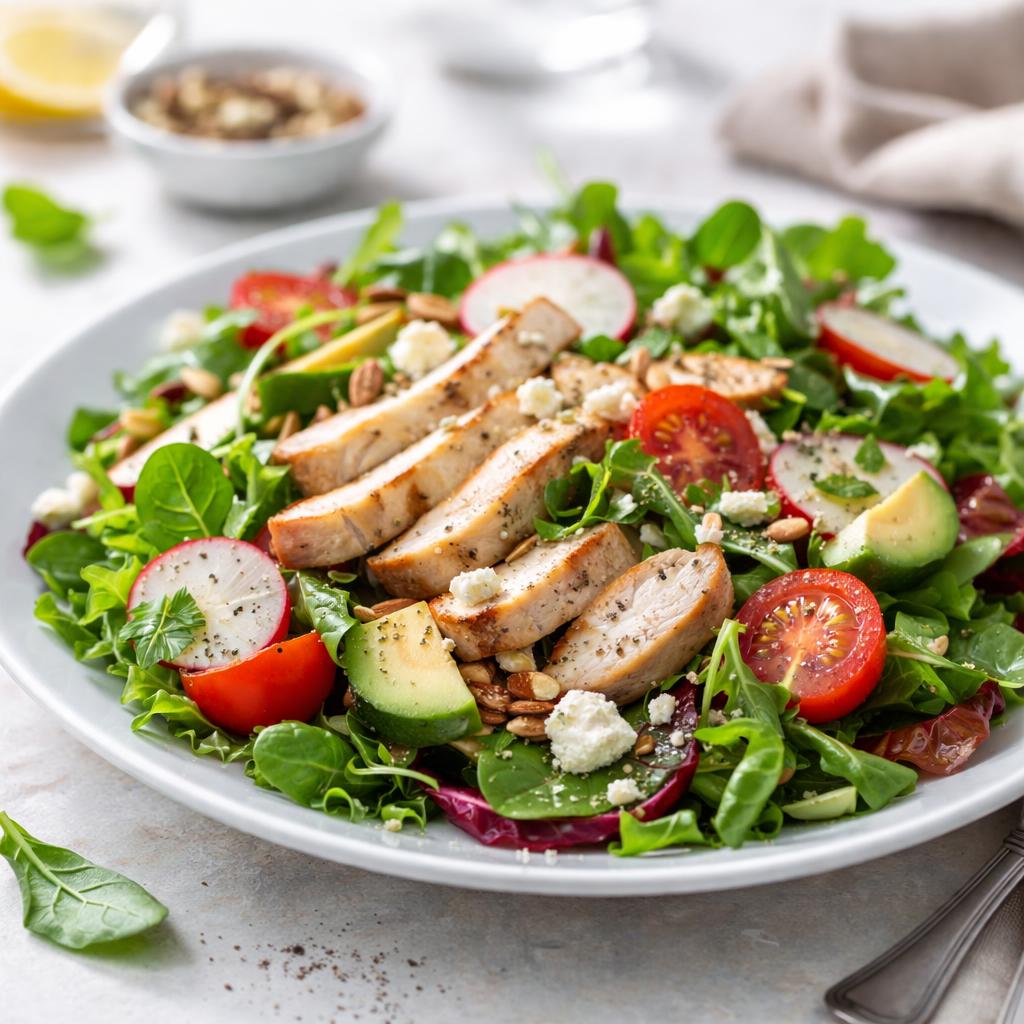
Salad

Egg White
🎯 Quick Verdict
Salad and egg whites each offer unique nutritional benefits. Egg whites are significantly higher in protein (10g per serving), making them ideal for muscle recovery and growth, while salad excels in dietary fiber (2g per serving) and provides a variety of vitamins such as vitamin C and iron. Both are low-calorie options suitable for weight management diets.

Smart Nutrition Tracking with SnapCalorie

📊 Nutritional Comparison
Macronutrients
| Nutrient | Food 1 | Food 2 | Winner |
|---|---|---|---|
| Calories | 15 | 17 | − |
| Protein | 1g | 10g | ✓ |
| Carbs | 3g | 0g | ✓ |
| Fat | 0.2g | 0g | ✓ |
| Fiber | 2g | 0g | ✓ |
Vitamins & Minerals
| Nutrient | Food 1 | Food 2 | Winner |
|---|---|---|---|
| Vitamin C | 9mg | 0mg | ✓ |
| Iron | 0.5mg | 0.1mg | ✓ |
| Calcium | 14mg | 2mg | ✓ |
🏆 Category Winners
Protein
Egg whites provide 10g of protein, which is 10 times more than salad.
Fiber
Salad contains 2g of fiber per serving, while egg whites have none.
Calories
Both foods are extremely low-calorie, with a difference of just 2 calories per serving.
Vitamins
Salad is richer in vitamins such as vitamin C, iron, and calcium.
🥗 Diet Compatibility
Keto
Food 1: Compatible
Food 2: Compatible
Both foods are low in carbohydrates and suitable for a keto diet.
Vegan
Food 1: Compatible
Food 2: Not Compatible
Salad is plant-based, whereas egg whites are not suitable for vegans.
Gluten Free
Food 1: Compatible
Food 2: Compatible
Neither food contains gluten.
Paleo
Food 1: Compatible
Food 2: Compatible
Both foods align with paleo dietary rules.
Low-Carb
Food 1: Compatible
Food 2: Compatible
Egg whites have zero carbs, and salad is minimal in carbohydrates (3g).
💪 Health Benefits Comparison
Food 1 Benefits
- High in dietary fiber for improved digestion
- Rich in vitamin C for immune system support
- Low in calories for weight management
- Contains iron and calcium for bone health
Food 2 Benefits
- Excellent source of lean protein for muscle growth
- Fat-free option for heart health
- Low in calories for weight control
- Contributes to satiety without adding carbs
✅ The Bottom Line
Salad is ideal for those seeking fiber, vitamins, and low calories, while egg whites are unbeatable for their high protein content. Choose salad as a base for a nutrient-dense meal and egg whites for focused protein intake, especially post-workout.
Choose Food 1 for: Digestive health, vitamin boost, light meals
Choose Food 2 for: Muscle building, protein-focused diets, post-workout recovery


