Salad VS Edamame
A detailed nutritional comparison
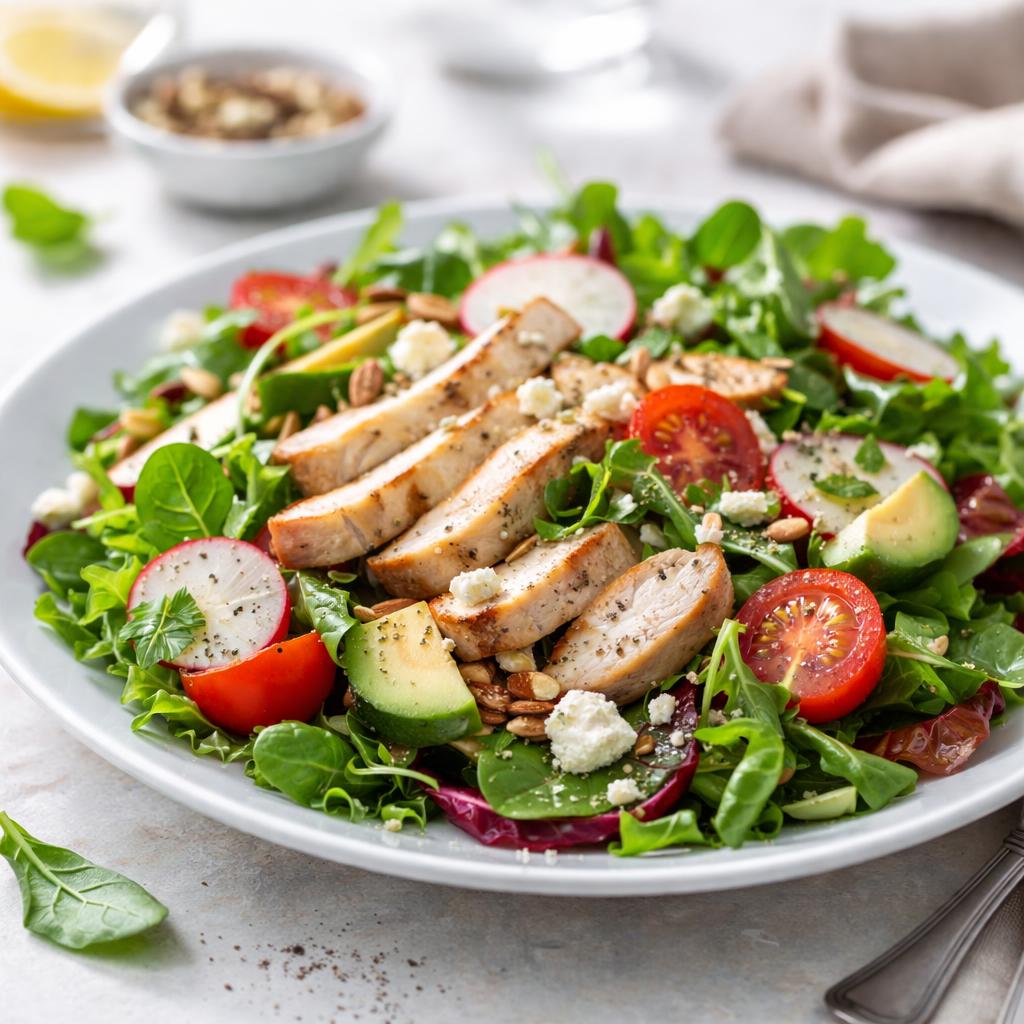
Salad
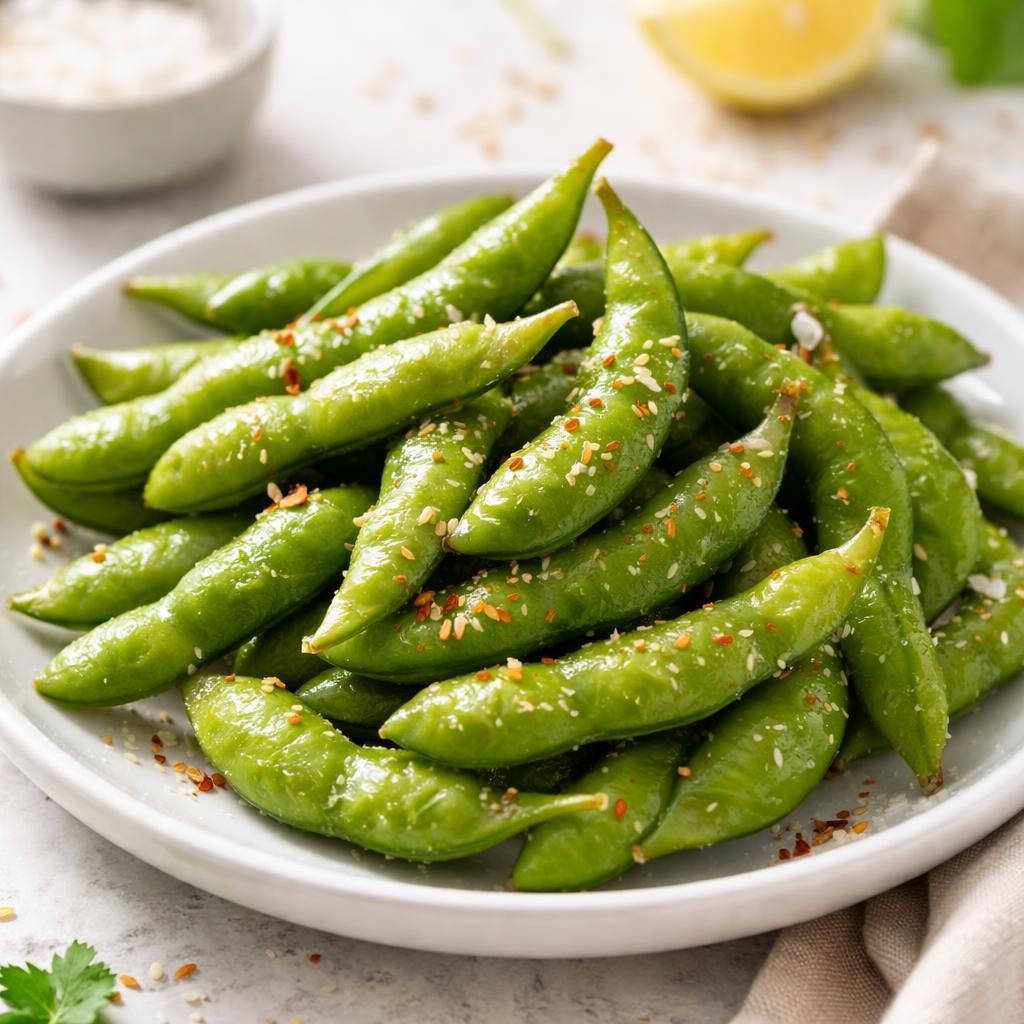
Edamame
🎯 Quick Verdict
Edamame provides significantly more protein and fiber compared to salad, making it a better choice for those seeking to increase satiety and muscle-building nutrients. On the other hand, salad is lower in calories and versatile with a wide range of fresh vegetables, making it great for weight management and light meals.

Smart Nutrition Tracking with SnapCalorie

📊 Nutritional Comparison
Macronutrients
| Nutrient | Food 1 | Food 2 | Winner |
|---|---|---|---|
| Calories | 35 | 120 | ✓ |
| Protein | 1g | 11g | ✓ |
| Carbs | 7g | 10g | ✓ |
| Fat | 0g | 5g | ✓ |
| Fiber | 2g | 5g | ✓ |
Vitamins & Minerals
| Nutrient | Food 1 | Food 2 | Winner |
|---|---|---|---|
| Vitamin D | 0mcg | 0mcg | − |
| Vitamin C | 9mg | 6mg | ✓ |
| Calcium | 20mg | 50mg | ✓ |
| Iron | 0.5mg | 2mg | ✓ |
🏆 Category Winners
Protein
Edamame contains 11g of protein per serving compared to only 1g in salad.
Fiber
Edamame offers 5g of fiber per serving, which is more than double the fiber in salad.
Calories
Salad has significantly fewer calories at 35 per serving compared to 120 for edamame.
Vitamins
Both foods offer valuable vitamins in distinct areas, such as Vitamin C in salad and calcium in edamame.
🥗 Diet Compatibility
Keto
Food 1: Compatible
Food 2: Not Compatible
Salad is lower in carbohydrates and works well for keto diets.
Vegan
Food 1: Compatible
Food 2: Compatible
Both foods are plant-based.
Gluten Free
Food 1: Compatible
Food 2: Compatible
Neither contains gluten.
Paleo
Food 1: Compatible
Food 2: Not Compatible
Edamame is a legume, which is excluded in strict paleo diets.
Low Carb
Food 1: Compatible
Food 2: Compatible
Both foods are relatively low in carbohydrates.
💪 Health Benefits Comparison
Food 1 Benefits
- Low-calorie option for weight loss
- Rich source of Vitamin C for immunity
- Hydrating and high-water content for overall health
Food 2 Benefits
- High in protein for muscle repair and growth
- Excellent source of fiber for digestive health
- Contains healthy fats supporting heart health
- Rich in iron and calcium for bone strength
✅ The Bottom Line
Choose salad for a light, low-calorie meal, especially if you're managing your weight or following a keto or paleo diet. Edamame is better suited for protein and fiber needs, making it a great snack or side for active individuals and those looking to boost nutrient intake.
Choose Food 1 for: Low-calorie meals, weight management, refreshing light dishes
Choose Food 2 for: High-protein diets, post-workout recovery, nutrient-dense snacks


