Salad VS Dinner Roll
A detailed nutritional comparison
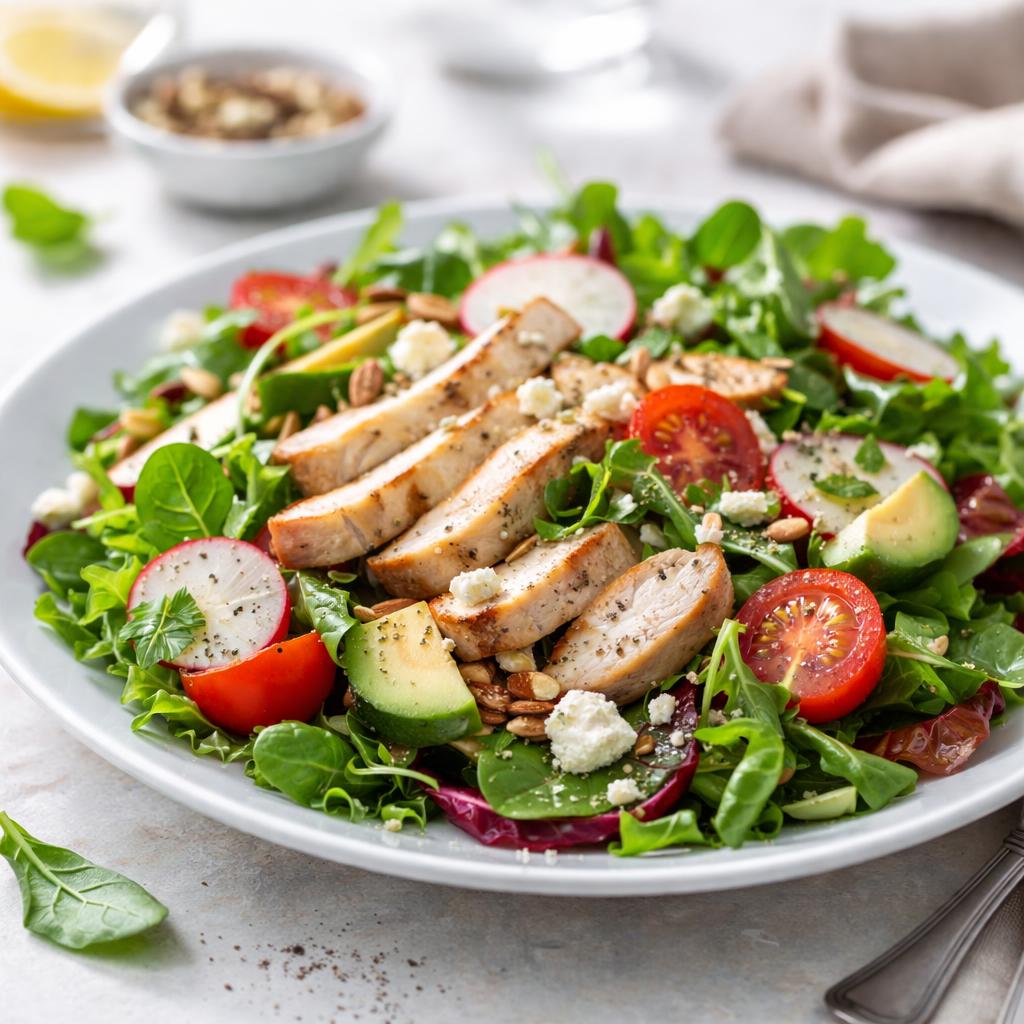
Salad
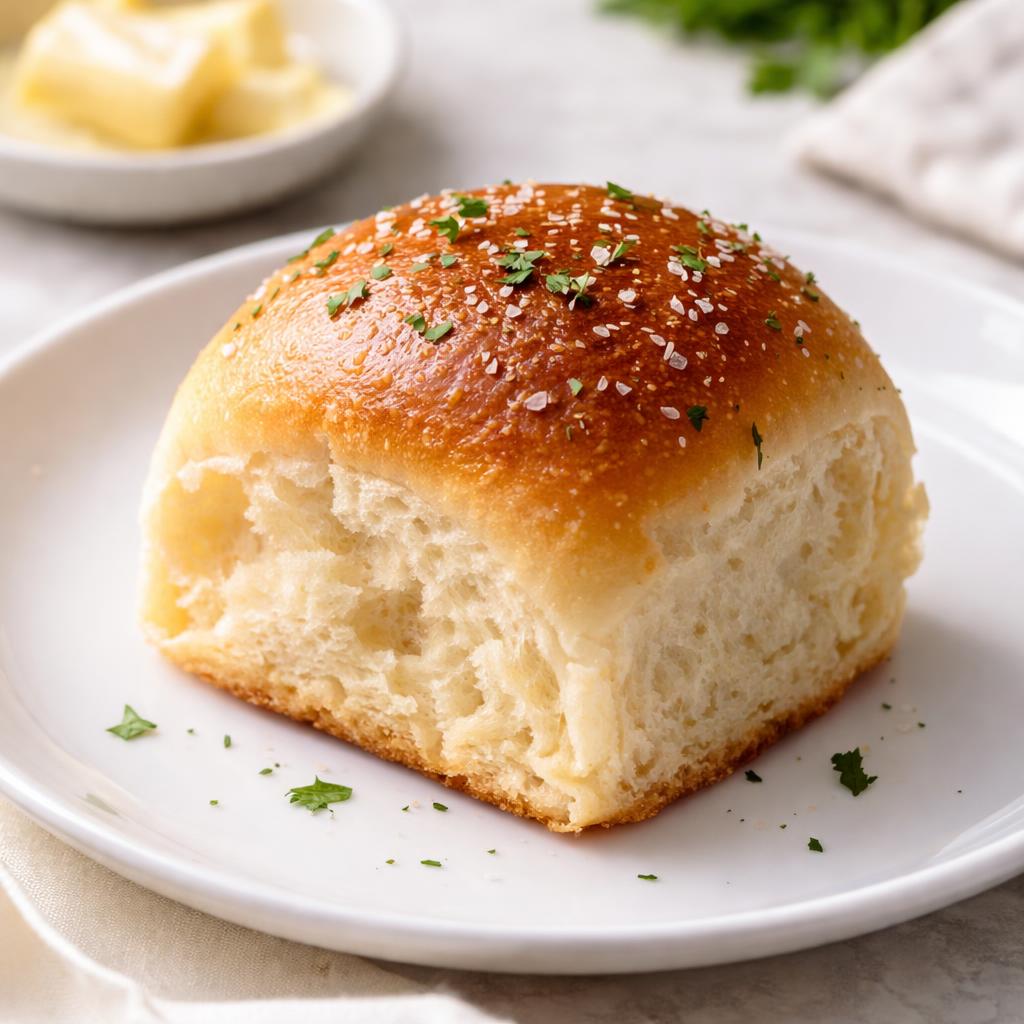
Dinner Roll
🎯 Quick Verdict
Salad (food1) is lower in calories, higher in fiber and protein, and packed with vitamins, but it is less energy-dense than the dinner roll (food2). The dinner roll is higher in carbohydrates and useful as a source of quick energy. Choose the salad for nutrient density and satiety, and the dinner roll for convenient energy on the go.

Smart Nutrition Tracking with SnapCalorie

📊 Nutritional Comparison
Macronutrients
| Nutrient | Food 1 | Food 2 | Winner |
|---|---|---|---|
| Calories | 100 | 150 | ✓ |
| Protein | 5g | 3g | ✓ |
| Carbs | 15g | 28g | ✓ |
| Fat | 2g | 3g | ✓ |
| Fiber | 3g | 1g | ✓ |
Vitamins & Minerals
| Nutrient | Food 1 | Food 2 | Winner |
|---|---|---|---|
| Vitamin A | 500mcg | 0mcg | ✓ |
| Vitamin C | 30mg | 0mg | ✓ |
| Calcium | 40mg | 20mg | ✓ |
| Iron | 0.8mg | 0.5mg | ✓ |
🏆 Category Winners
Protein
Salad has 67% more protein per serving, making it a better choice for muscle repair.
Fiber
Salad provides three times more fiber than the dinner roll, aiding in digestion.
Calories
Salad has 33% fewer calories, ideal for weight management.
Vitamins
Salad is rich in vitamins A and C, while the dinner roll lacks these nutrients.
🥗 Diet Compatibility
Keto
Food 1: Not Compatible
Food 2: Not Compatible
Neither food is low-carb enough for keto diets.
Vegan
Food 1: Compatible
Food 2: Sometimes Compatible
Salad is plant-based; rolls may contain non-vegan ingredients like milk or butter.
Gluten Free
Food 1: Compatible
Food 2: Not Compatible
Salad contains no gluten, whereas dinner rolls are typically made with wheat.
Paleo
Food 1: Compatible
Food 2: Not Compatible
Salad aligns with paleo principles, while dinner rolls are not grain-free.
Low-Carb
Food 1: Not Ideal
Food 2: Not Ideal
Both foods contain moderate to high levels of carbohydrates.
💪 Health Benefits Comparison
Food 1 Benefits
- Low calorie count, suitable for weight loss
- Rich in fiber to promote digestion and gut health
- Packed with vitamins A and C to support immunity and eye health
- Light protein content for modest muscle support
Food 2 Benefits
- Source of quick energy through higher carbohydrate content
- Contains mild levels of iron for oxygen transport
- Provides some calcium for bone health
- Convenient and easy to serve in meal settings
✅ The Bottom Line
Salad is the clear winner in terms of nutrient density, fiber, and vitamins, making it ideal for weight loss, digestion, and overall health support. Dinner rolls, however, are a quick source of energy and are more practical for portable snacks or complementary servings in meals.
Choose Food 1 for: Weight loss, nutrient-dense meals, digestion support
Choose Food 2 for: Quick energy boosts, portable snacks, complementary bread in meals


