Salad VS Croissant
A detailed nutritional comparison
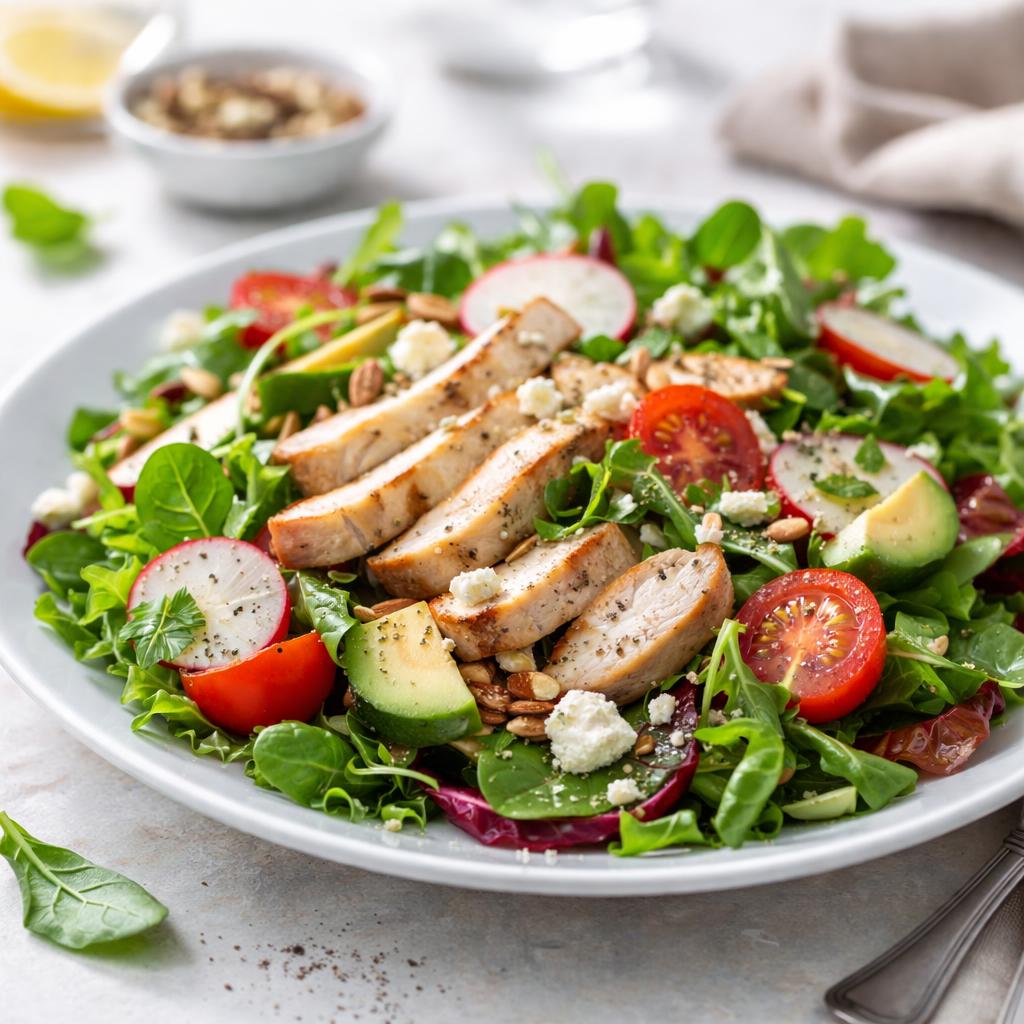
Salad

Croissant
🎯 Quick Verdict
Salad is a lower-calorie, nutrient-dense choice compared to a croissant. It excels in fiber and vitamins, making it ideal for weight management and digestive health. Croissant, on the other hand, is higher in fats and carbs, providing quick energy but limited micronutrients or fiber. Choose salad for light, healthy meals and croissant for indulgence or energy boosts.

Smart Nutrition Tracking with SnapCalorie

📊 Nutritional Comparison
Macronutrients
| Nutrient | Food 1 | Food 2 | Winner |
|---|---|---|---|
| Calories | 50 | 270 | ✓ |
| Protein | 3g | 3g | − |
| Carbs | 10g | 31g | ✓ |
| Fat | 0.5g | 14g | ✓ |
| Fiber | 2g | 0.5g | ✓ |
Vitamins & Minerals
| Nutrient | Food 1 | Food 2 | Winner |
|---|---|---|---|
| Vitamin A | 450mcg | 40mcg | ✓ |
| Vitamin C | 20mg | 0mg | ✓ |
| Iron | 1mg | 1mg | − |
🏆 Category Winners
Protein
Both foods contain 3g of protein in typical servings.
Fiber
Salad offers 4 times more fiber than a croissant.
Calories
Salad has approximately 80% fewer calories per serving.
Vitamins
Salad provides significantly more Vitamin A and Vitamin C, essential for immunity and vision health.
🥗 Diet Compatibility
Keto
Food 1: Compatible
Food 2: Not Compatible
Salad is low-carb and can fit into keto when avoiding sugary dressings.
Vegan
Food 1: Compatible
Food 2: Not Compatible
Most salads are plant-based, while croissants often contain butter and eggs.
Gluten Free
Food 1: Compatible
Food 2: Not Compatible
Salad is naturally gluten-free, whereas croissants are made with wheat flour.
Paleo
Food 1: Compatible
Food 2: Not Compatible
Typical salad ingredients align with paleo guidelines, but croissants do not as they contain refined grains.
Low Carb
Food 1: Compatible
Food 2: Not Compatible
Salad's low carb content (10g per serving) fits a low-carb diet; croissants are high-carb with 31g per serving.
💪 Health Benefits Comparison
Food 1 Benefits
- Rich in vitamins A and C for immune and skin health.
- High in fiber for improved digestion and gut health.
- Low-calorie option to support weight management.
- Contains antioxidants to fight inflammation.
Food 2 Benefits
- Provides quick energy due to high carbohydrate content.
- Contains fats that can promote satiety.
- Indulgent treat, boosting morale and enjoyment occasionally.
✅ The Bottom Line
Choose salad for weight management, fiber intake, and overall health benefits, particularly when looking for a nutrient-dense meal. Croissant is better suited for occasional indulgence or quick energy during a busy day. Both have distinct roles in a balanced diet.
Choose Food 1 for: Weight loss, light meals, high vitamin intake
Choose Food 2 for: Quick energy, indulgence, treats


