Salad VS Cocktail
A detailed nutritional comparison
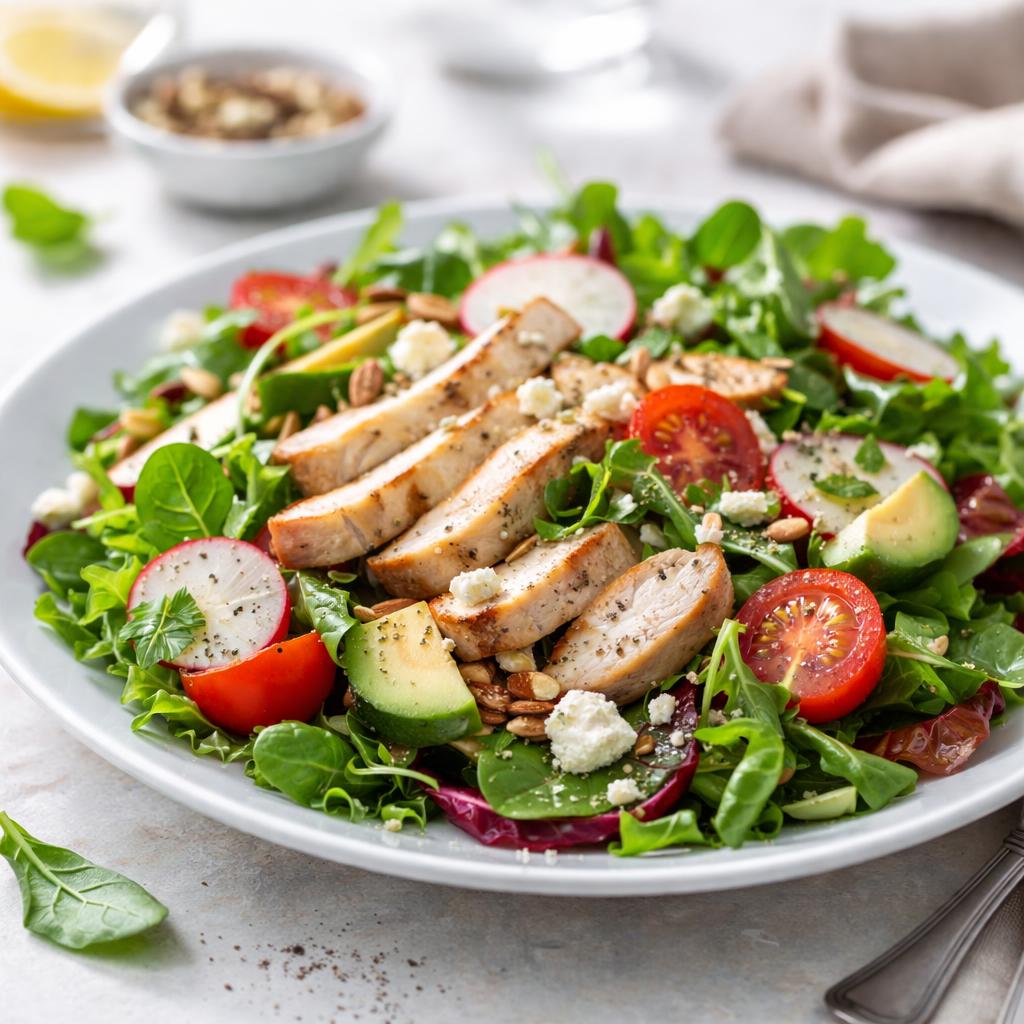
Salad
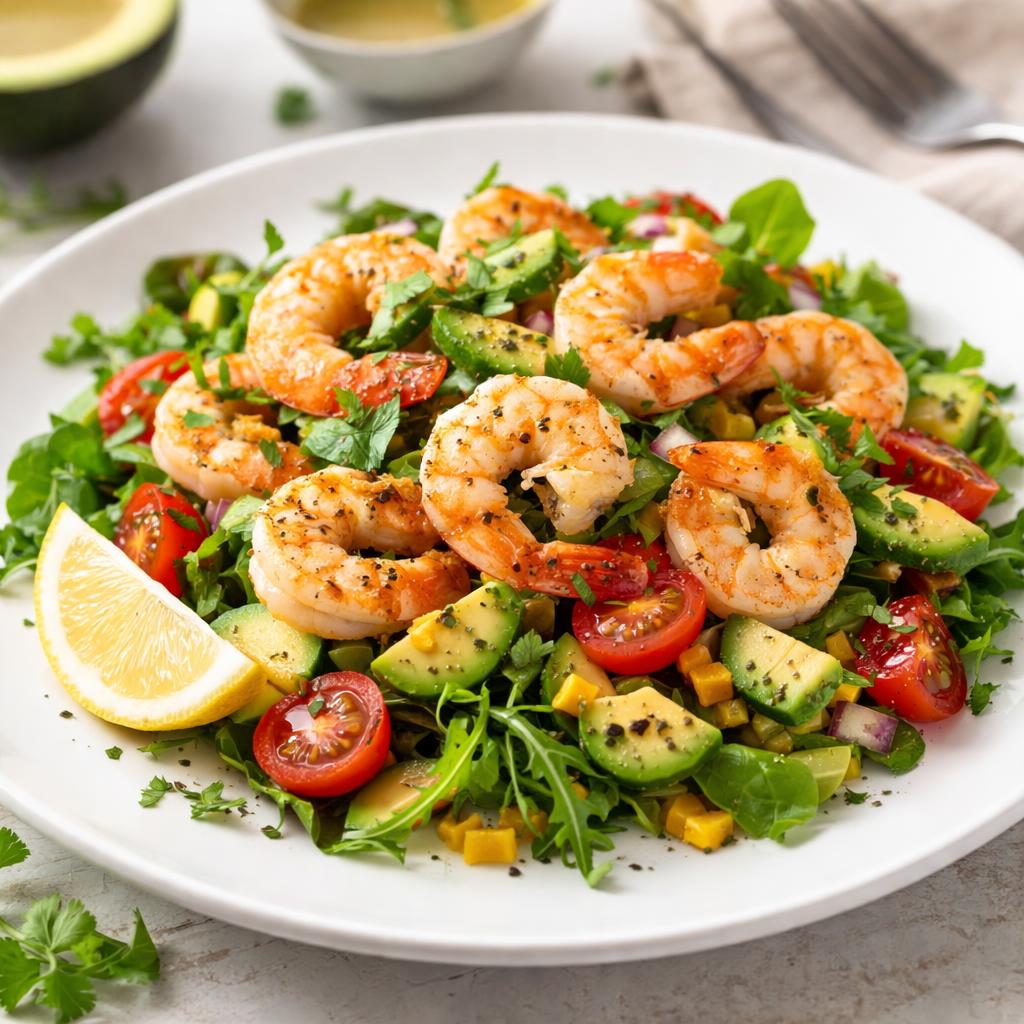
Cocktail
🎯 Quick Verdict
Salad is nutritionally superior to a cocktail, with significantly higher protein and fiber, and fewer calories. It supports healthy eating goals like weight loss or digestion. Cocktails, while enjoyable socially, are primarily empty calories without meaningful nutrients, making them less suitable for a nutrient-dense diet plan.

Smart Nutrition Tracking with SnapCalorie

📊 Nutritional Comparison
Macronutrients
| Nutrient | Food 1 | Food 2 | Winner |
|---|---|---|---|
| Calories | 100 | 300 | ✓ |
| Protein | 5g | 0g | ✓ |
| Carbs | 10g | 35g | ✓ |
| Fat | 4g | 0g | ✓ |
| Fiber | 3g | 0g | ✓ |
Vitamins & Minerals
| Nutrient | Food 1 | Food 2 | Winner |
|---|---|---|---|
| Vitamin D | 2mcg | 0mcg | ✓ |
| Vitamin C | 12mg | 0mg | ✓ |
| Calcium | 40mg | 0mg | ✓ |
| Iron | 1mg | 0mg | ✓ |
🏆 Category Winners
Protein
Salad contains 5g protein, while a cocktail contains none.
Fiber
Salad provides 3g fiber versus 0g in a cocktail.
Calories
Salad is far lower in calories at 100 versus a cocktail's 300.
Vitamins
Salad contains vitamins (Vitamin D, Calcium, Iron, etc.) while cocktails lack them.
🥗 Diet Compatibility
Keto
Food 1: Compatible
Food 2: Not Compatible
Salad is low-carb, while cocktails are high-carb due to sugar.
Vegan
Food 1: Compatible
Food 2: Compatible
Both are plant-based options.
Gluten Free
Food 1: Compatible
Food 2: Compatible
Neither contains gluten, but cocktails may need verification.
Paleo
Food 1: Compatible
Food 2: Not Compatible
Salad aligns with paleo principles, while cocktails contain processed ingredients.
Low-Carb
Food 1: Compatible
Food 2: Not Compatible
Salad is naturally low-carb with only 10g, while cocktails contain 35g of carbs primarily from sugar.
💪 Health Benefits Comparison
Food 1 Benefits
- Provides essential fiber for gut health and digestion
- Rich in vitamins to support immunity (e.g., Vitamin C)
- Low in calories, ideal for weight management
- Source of antioxidants and minerals
Food 2 Benefits
- Provides a quick source of energy from sugar, though fleeting
- Social and enjoyment benefits during events
- May contain some botanicals or fruit-based antioxidants (if made with fresh ingredients)
✅ The Bottom Line
Salad is the clear nutritional winner and should be your choice for health-conscious meals, weight loss, or boosting nutrient intake. Cocktails are best enjoyed sparingly in social settings where indulgence is the goal. Making your own healthier cocktails with fresh ingredients may reduce sugar content slightly.
Choose Food 1 for: Weight loss, nutrient-dense diets, digestion support
Choose Food 2 for: Social occasions, occasional indulgence, energy boost


