Salad VS Cilantro
A detailed nutritional comparison
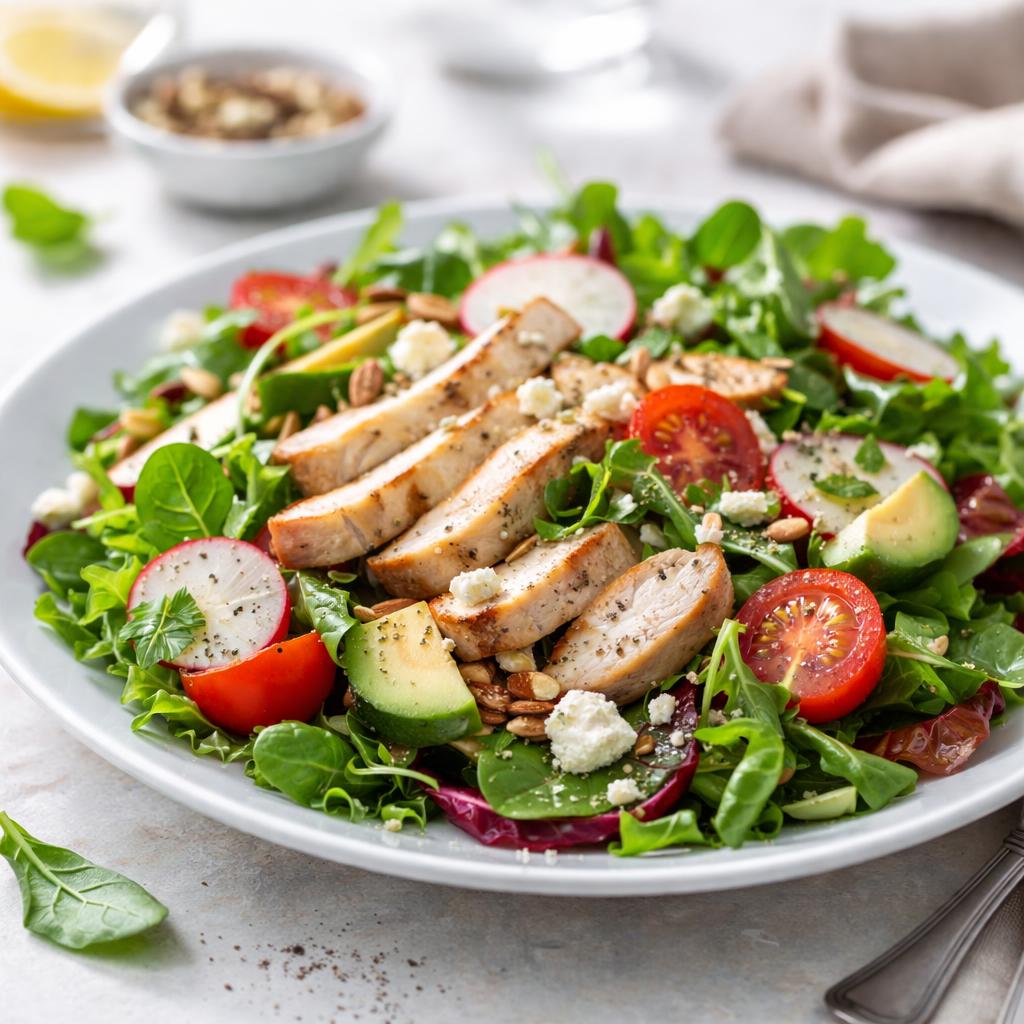
Salad
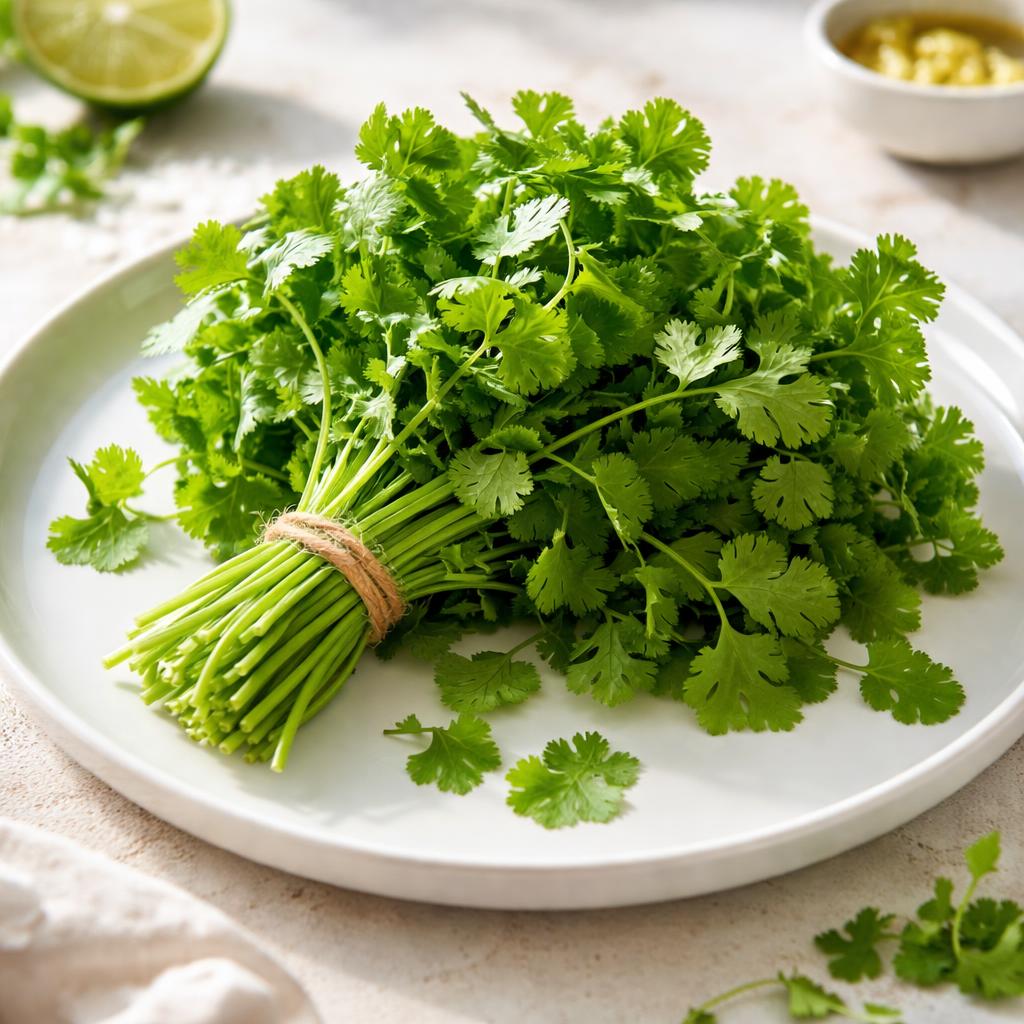
Cilantro
🎯 Quick Verdict
Salad is a versatile and nutrient-packed option with higher protein and fiber than cilantro, making it ideal for satiety and digestion. Cilantro, on the other hand, is low in calories and rich in antioxidants, best used as a flavorful garnish or in recipes requiring a zesty herb boost.

Smart Nutrition Tracking with SnapCalorie

📊 Nutritional Comparison
Macronutrients
| Nutrient | Food 1 | Food 2 | Winner |
|---|---|---|---|
| Calories | 50 | 23 | ✓ |
| Protein | 3g | 0.5g | ✓ |
| Carbs | 10g | 4g | ✓ |
| Fat | 2g | 0.6g | ✓ |
| Fiber | 4g | 1g | ✓ |
Vitamins & Minerals
| Nutrient | Food 1 | Food 2 | Winner |
|---|---|---|---|
| Vitamin C | 18mg | 27mg | ✓ |
| Vitamin K | 58mcg | 310mcg | ✓ |
| Vitamin A | 180µg | 500µg | ✓ |
| Calcium | 30mg | 50mg | ✓ |
| Iron | 1.1mg | 0.9mg | ✓ |
🏆 Category Winners
Protein
Salad contains six times more protein per serving.
Fiber
Salad provides four times more fiber for digestion support.
Calories
Cilantro has 54% fewer calories and is ideal for low-calorie diets.
Vitamins
Cilantro outperforms salad in Vitamin A, C, and K content, making it more nutrient-dense per calorie.
🥗 Diet Compatibility
Keto
Food 1: Compatible
Food 2: Compatible
Both foods are low in carbs and suitable for keto diets.
Vegan
Food 1: Compatible
Food 2: Compatible
Both are plant-based foods, ideal for vegan diets.
Gluten Free
Food 1: Compatible
Food 2: Compatible
Neither contains gluten, so both work for gluten-free diets.
Paleo
Food 1: Compatible
Food 2: Compatible
Both are whole foods with no processed ingredients.
Low-Carb
Food 1: Compatible
Food 2: Compatible
Both are low-carb options, good for low-carb lifestyles.
💪 Health Benefits Comparison
Food 1 Benefits
- High in fiber to aid digestion and improve gut health
- Provides protein to support muscle repair and growth
- Low in calories, making it suitable for weight management
Food 2 Benefits
- Rich in antioxidants to fight inflammation
- Provides a high dose of Vitamin K for bone and blood health
- Low in calories, making it ideal for garnishing dishes without adding bulk
✅ The Bottom Line
Choose salad if you're looking for a filling, nutrient-dense meal with protein and fiber for satiety. Cilantro is better for enhancing flavors and adding a boost of vitamins to recipes. Both are excellent for complementing a healthy diet but serve different purposes.
Choose Food 1 for: Main meal, digestion, weight management
Choose Food 2 for: Herb garnish, antioxidant boost, nutrient density


