Salad VS Chocolate Bar
A detailed nutritional comparison
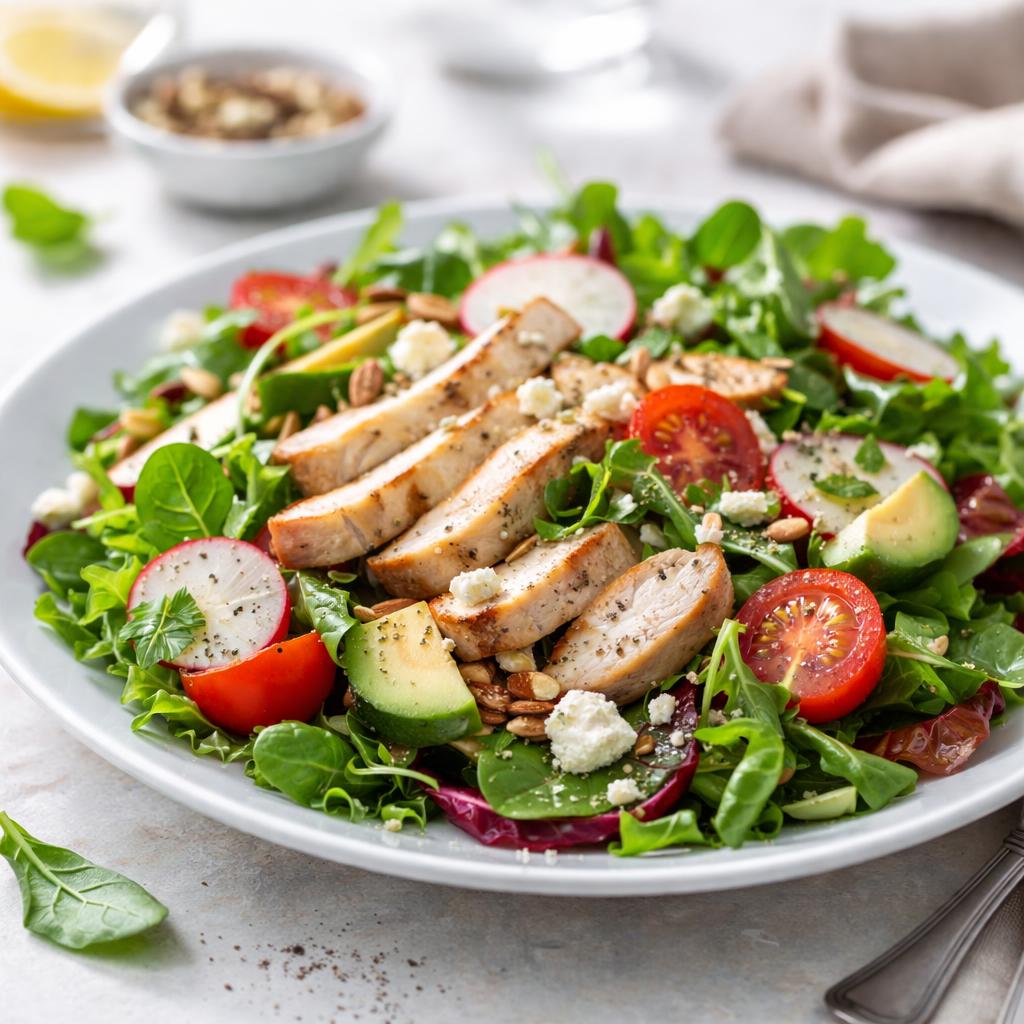
Salad
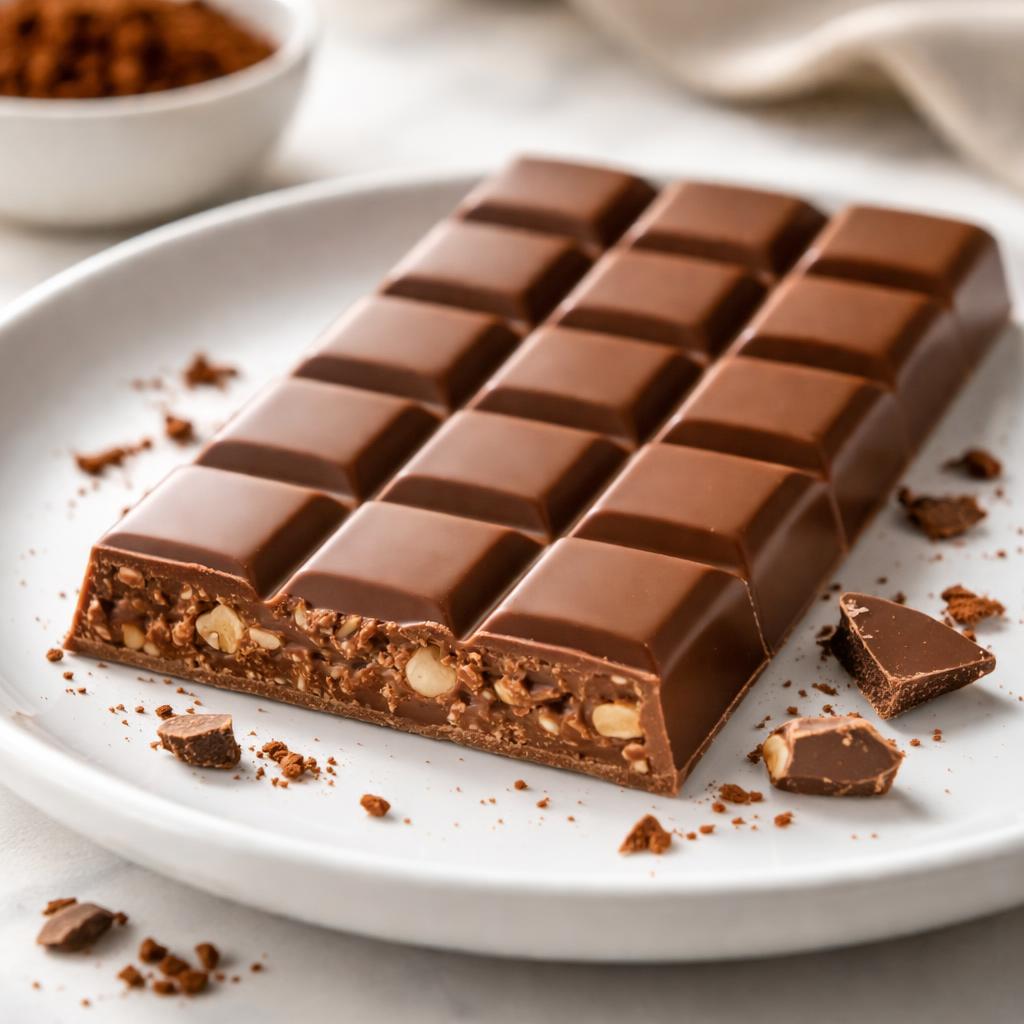
Chocolate Bar
🎯 Quick Verdict
Salad is nutrient-dense, offering significantly lower calories, higher fiber, and more vitamins compared to a chocolate bar, making it ideal for weight loss and healthy eating. Chocolate bars provide quick energy through higher sugar and fat content, making them a useful snack for active individuals with high energy needs but far less suitable for balanced diets.

Smart Nutrition Tracking with SnapCalorie

📊 Nutritional Comparison
Macronutrients
| Nutrient | Food 1 | Food 2 | Winner |
|---|---|---|---|
| Calories | 50 | 250 | ✓ |
| Protein | 2g | 1g | ✓ |
| Carbs | 8g | 30g | ✓ |
| Fat | 1g | 15g | ✓ |
| Fiber | 3g | 2g | ✓ |
Vitamins & Minerals
| Nutrient | Food 1 | Food 2 | Winner |
|---|---|---|---|
| Vitamin A | 120mcg | 0mcg | ✓ |
| Vitamin C | 30mg | 0mg | ✓ |
| Calcium | 40mg | 30mg | ✓ |
| Iron | 0.5mg | 2mg | ✓ |
🏆 Category Winners
Protein
Salad contains double the protein compared to the chocolate bar.
Fiber
Salad provides 50% more fiber than the chocolate bar, aiding digestion.
Calories
Salad has 80% fewer calories, making it ideal for weight management.
Vitamins
Salad is rich in essential vitamins like A and C, while chocolate lacks these nutrients.
🥗 Diet Compatibility
Keto
Food 1: Compatible
Food 2: Not Compatible
Salad is lower-carb with 8g per serving versus 30g in the chocolate bar.
Vegan
Food 1: Compatible
Food 2: Compatible
Both foods are plant-based.
Gluten Free
Food 1: Compatible
Food 2: Compatible
Neither contains gluten inherently.
Paleo
Food 1: Compatible
Food 2: Not Compatible
Salad fits paleo guidelines, but chocolate bars often contain refined sugars and additives.
Low Carb
Food 1: Compatible
Food 2: Not Compatible
Salad has considerably fewer carbs compared to chocolate bars.
💪 Health Benefits Comparison
Food 1 Benefits
- Low in calories for weight management
- Rich in fiber for digestion and gut health
- High in vitamins A and C for immune support and vision health
- Contains key minerals like calcium for bone health
Food 2 Benefits
- Quick energy boost from sugar and fats
- Contains moderate amounts of iron
- May provide minor antioxidants from cocoa
✅ The Bottom Line
Salad is the better choice for overall health, weight management, and nutrient density. It works well in balanced meals and long-term dietary plans. Chocolate bars are best viewed as an occasional indulgence or quick energy source for physical activities due to their high sugar and fat content with minimal nutritional benefits.
Choose Food 1 for: Weight loss, everyday healthy eating, meal enhancement
Choose Food 2 for: Quick energy boosts, post-exercise snacking, dessert cravings


