Salad VS Chicken Curry
A detailed nutritional comparison
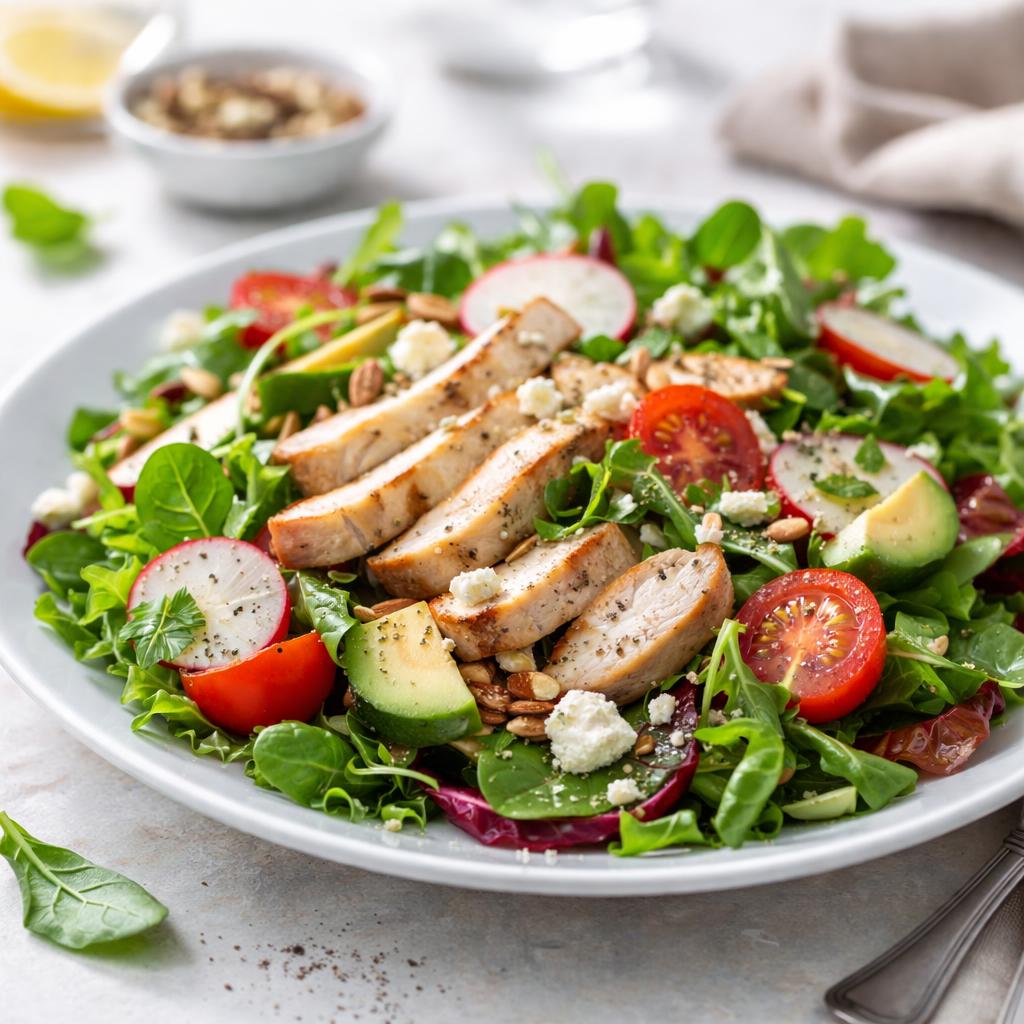
Salad
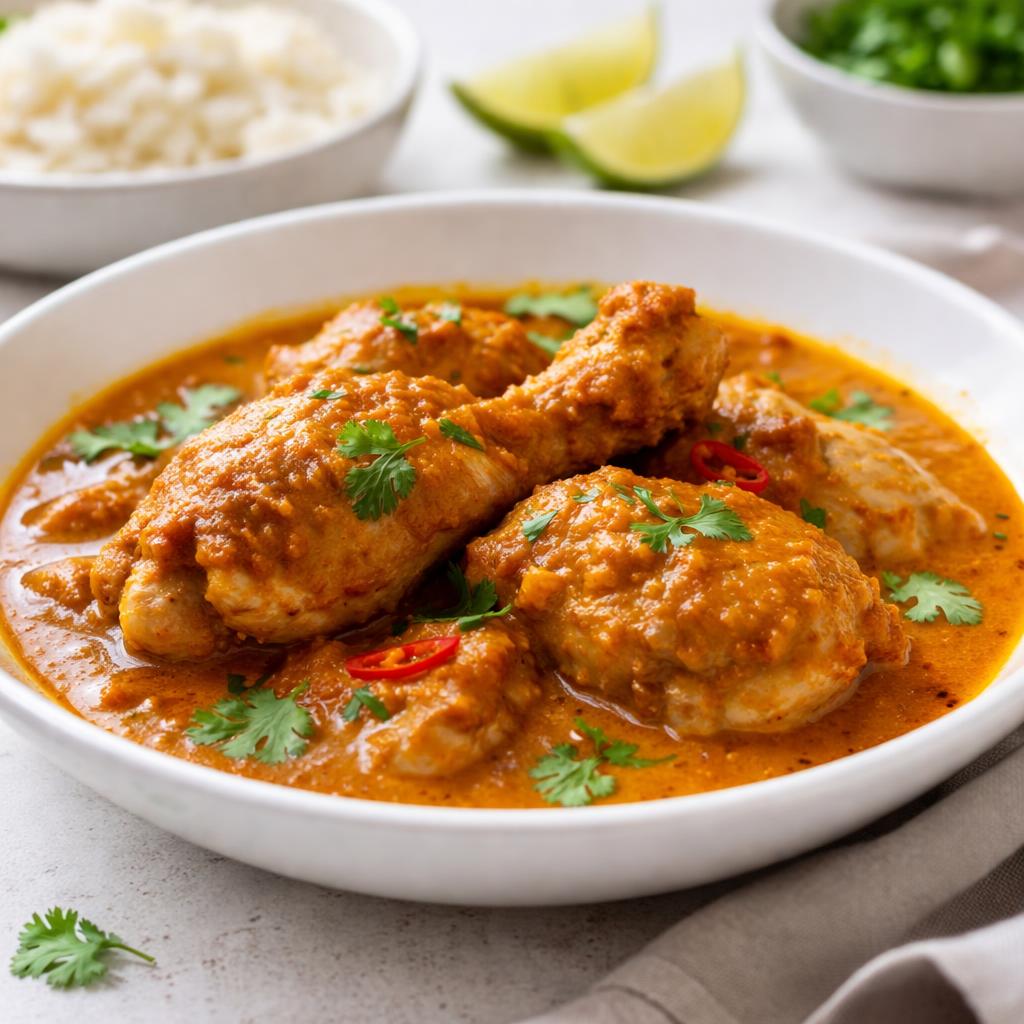
Chicken Curry
🎯 Quick Verdict
Salad is lower in calories, higher in fiber, and vegan-friendly, making it ideal for lighter meals or weight management. Chicken curry is rich in protein, healthy fats, and nutrients, providing a filling and energy-dense option for muscle-building and hearty meals. Choose based on dietary needs—lighter vs. more nutrient-dense meals.

Smart Nutrition Tracking with SnapCalorie

📊 Nutritional Comparison
Macronutrients
| Nutrient | Food 1 | Food 2 | Winner |
|---|---|---|---|
| Calories | 120 | 300 | ✓ |
| Protein | 2g | 25g | ✓ |
| Carbs | 10g | 15g | ✓ |
| Fat | 5g | 10g | ✓ |
| Fiber | 4g | 2g | ✓ |
Vitamins & Minerals
| Nutrient | Food 1 | Food 2 | Winner |
|---|---|---|---|
| Vitamin A | 150mcg | 80mcg | ✓ |
| Vitamin C | 20mg | 8mg | ✓ |
| Iron | 1mg | 2mg | ✓ |
| Calcium | 40mg | 30mg | ✓ |
🏆 Category Winners
Protein
Chicken curry contains 12x more protein than salad, making it superior for muscle growth.
Fiber
Salad delivers 2x more fiber, promoting better digestion.
Calories
Salad is much lower in calories, ideal for weight loss or light meals.
Vitamins
Salad is richer in Vitamin A and C, aiding eye health and immunity.
🥗 Diet Compatibility
Keto
Food 1: Not Compatible
Food 2: Compatible
Chicken curry fits keto diets due to its higher fat content.
Vegan
Food 1: Compatible
Food 2: Not Compatible
Salad is plant-based, whereas chicken curry contains animal products.
Gluten Free
Food 1: Compatible
Food 2: Compatible
Both foods are naturally gluten-free if no wheat-based additions are included.
Paleo
Food 1: Compatible
Food 2: Compatible
Both align with paleo diets, provided clean ingredients are used.
Low-Carb
Food 1: Not Compatible
Food 2: Compatible
Chicken curry is relatively low in carbs compared to salad (contains leafy greens).
💪 Health Benefits Comparison
Food 1 Benefits
- Rich in antioxidants for immunity
- High fiber content supports digestive health
- Low calorie density, aiding in weight management
- Contains Vitamin A for eye health
Food 2 Benefits
- Excellent protein source for muscle growth
- Contains healthy fats for energy and brain function
- Provides essential minerals like iron for oxygen transport
- Antioxidant benefits from spices used in curry preparation
✅ The Bottom Line
Salad is a better choice for lighter meals, weight management, and vegan diets due to its low-calorie and high-fiber content. Chicken curry is ideal for high-protein meals, energy needs, and keto-friendly plans. Choose salad for digestion and vitamins, and chicken curry for protein and sustained energy.
Choose Food 1 for: Weight loss, vegan-friendly meals, light lunches
Choose Food 2 for: Muscle building, hearty meals, keto diets


