Salad VS Champagne
A detailed nutritional comparison
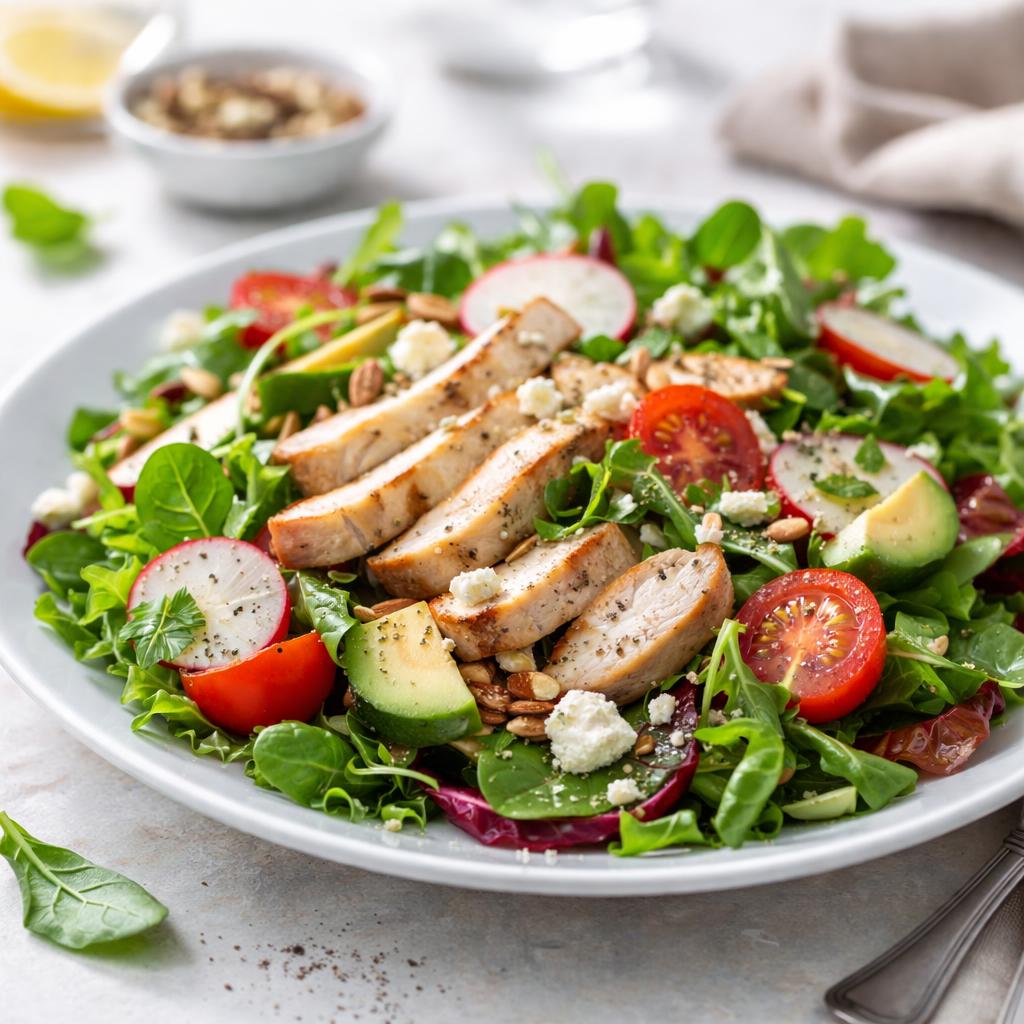
Salad
Champagne
🎯 Quick Verdict
Salad is a nutrient-dense, low-calorie option that excels in protein, fiber, and overall vitamin content, making it ideal for weight-conscious or health-focused individuals. Champagne, while less nutritionally beneficial, is an enjoyable beverage with fewer vitamins and macronutrients but still serves as a celebratory, indulgent treat in moderation.

Smart Nutrition Tracking with SnapCalorie

📊 Nutritional Comparison
Macronutrients
| Nutrient | Food 1 | Food 2 | Winner |
|---|---|---|---|
| Calories | 50 | 90 | ✓ |
| Protein | 2g | 0g | ✓ |
| Carbs | 10g | 3g | ✓ |
| Fat | 0g | 0g | − |
| Fiber | 3g | 0g | ✓ |
Vitamins & Minerals
| Nutrient | Food 1 | Food 2 | Winner |
|---|---|---|---|
| Vitamin C | 15mg | 0mg | ✓ |
| Vitamin A | 1000IU | 0IU | ✓ |
| Iron | 1mg | 0mg | ✓ |
| Calcium | 40mg | 2mg | ✓ |
🏆 Category Winners
Protein
Salad contains 2g of protein per serving, compared to none in champagne.
Fiber
Salad provides 3g of fiber for digestive health; champagne contains none.
Calories
Salad has only 50 calories per serving, while champagne has 90 calories per 4 oz serving.
Vitamins
Salad contains key vitamins such as vitamin C and A, which are absent in champagne.
🥗 Diet Compatibility
Keto
Food 1: Compatible
Food 2: Compatible
Both are low in carbohydrates with less than 10g per serving.
Vegan
Food 1: Compatible
Food 2: Compatible
Neither food contains animal-derived ingredients.
Gluten Free
Food 1: Compatible
Food 2: Compatible
Both foods are naturally gluten-free.
Paleo
Food 1: Compatible
Food 2: Not Compatible
Salad aligns with paleo diets, while champagne, as an alcoholic drink, does not.
Low-Carb
Food 1: Compatible
Food 2: Compatible
Both foods are low in carbs, with salad at 10g and champagne at 3g per serving.
💪 Health Benefits Comparison
Food 1 Benefits
- Rich in vitamins (e.g., Vitamin C and A) for immunity and eye health
- High fiber content supports healthy digestion
- Low calorie count makes it ideal for weight management
Food 2 Benefits
- Low-carb option for occasional indulgence
- Moderate caloric count compared to other alcohols
- Can boost social connection and celebration in moderation
✅ The Bottom Line
Choose salad for optimal nutrition and sustained energy, especially for weight management and overall health. Champagne, while less nutritious, can serve as an occasional celebratory beverage in small amounts without significantly impacting your diet.
Choose Food 1 for: Weight loss, nutrient density, digestion, light meals
Choose Food 2 for: Celebrations, indulgent moments, low-carb beverages


