Salad VS Carrots
A detailed nutritional comparison
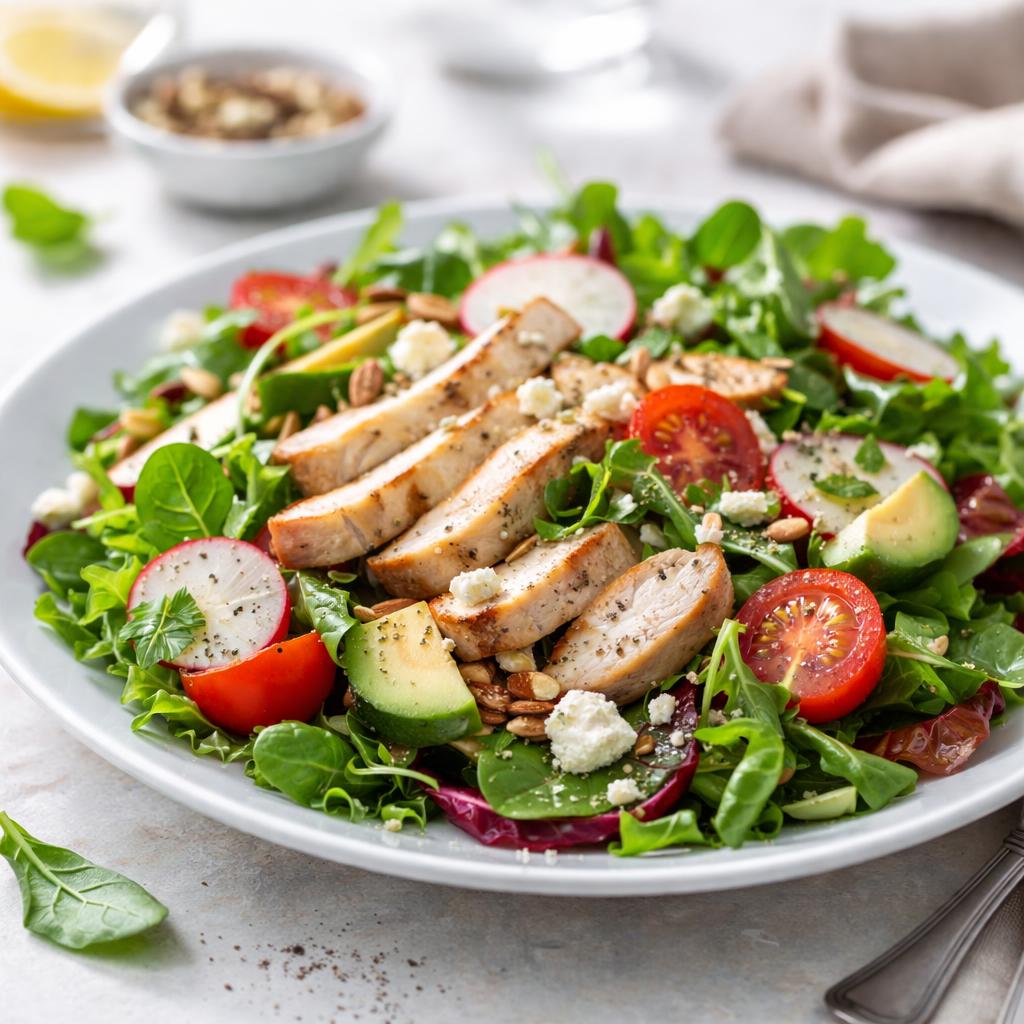
Salad
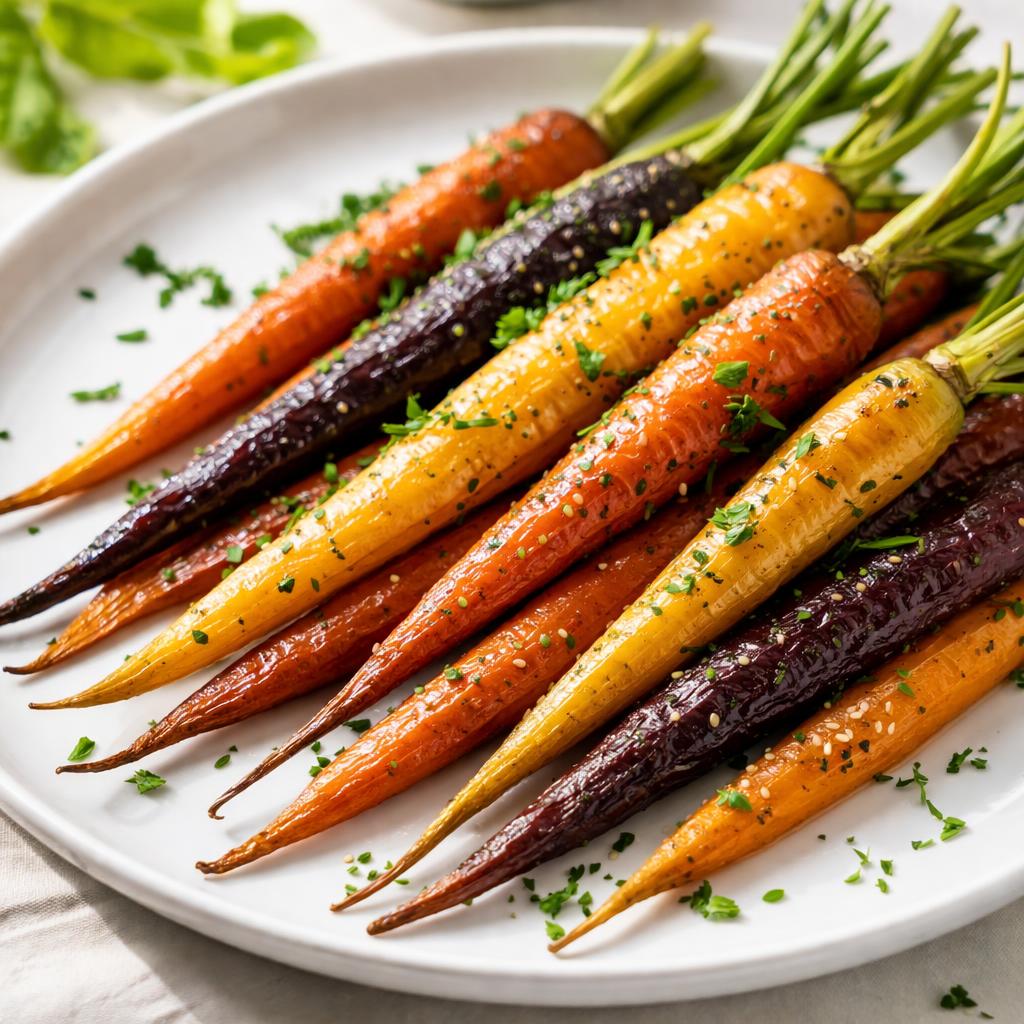
Carrots
🎯 Quick Verdict
Salad and carrots offer distinct nutritional profiles. Salad generally excels in protein and is lower in calories, making it great for weight management and post-workout meals. Carrots shine with higher levels of Vitamin A and antioxidants, perfect for improving eye health and overall wellness. Salad also offers greater versatility in mixed meals, while carrots work well as snacks or sides.

Smart Nutrition Tracking with SnapCalorie

📊 Nutritional Comparison
Macronutrients
| Nutrient | Food 1 | Food 2 | Winner |
|---|---|---|---|
| Calories | 50 | 41 | − |
| Protein | 3g | 1g | − |
| Carbs | 9g | 9.6g | − |
| Fat | 0.5g | 0.2g | − |
| Fiber | 3g | 3g | − |
Vitamins & Minerals
| Nutrient | Food 1 | Food 2 | Winner |
|---|---|---|---|
| Vitamin A | 2500IU | 16,706IU | − |
| Vitamin C | 9mg | 6mg | − |
| Vitamin K | 85mcg | 13mcg | − |
🏆 Category Winners
Protein
Salad has 200% more protein per serving compared to carrots.
Fiber
Both foods provide 3g of fiber per serving.
Calories
Salad has slightly fewer calories (50 vs. 41).
Vitamins
Carrots are much higher in Vitamin A, vital for eye health.
🥗 Diet Compatibility
Keto
Food 1: Not Compatible
Food 2: Not Compatible
Both have moderate carbs, not suitable for strict keto diets.
Vegan
Food 1: Compatible
Food 2: Compatible
Both are plant-based and suitable for vegan diets.
Gluten Free
Food 1: Compatible
Food 2: Compatible
Neither contains gluten.
Paleo
Food 1: Compatible
Food 2: Compatible
Both fit paleo lifestyles due to natural and unprocessed origins.
Low Carb
Food 1: Not Compatible
Food 2: Not Compatible
Moderate carb content in both foods.
💪 Health Benefits Comparison
Food 1 Benefits
- High in protein for muscle maintenance
- Excellent source of Vitamin C for immune health
- Rich in Vitamin K for bone and blood health
Food 2 Benefits
- Exceptionally rich in Vitamin A for vision and skin health
- Contains antioxidants for cellular repair
- Supports heart health with potassium content
✅ The Bottom Line
Choose salad if you need more protein and fewer calories, ideal for weight loss or muscle recovery meals. Opt for carrots for their rich Vitamin A content and antioxidant benefits, making them a great choice for eye health and overall wellness.
Choose Food 1 for: Meal base, weight management, high-protein meal additions
Choose Food 2 for: Snacks, eye health, nutrient-dense side dishes


