Salad VS Caramelized Onions
A detailed nutritional comparison
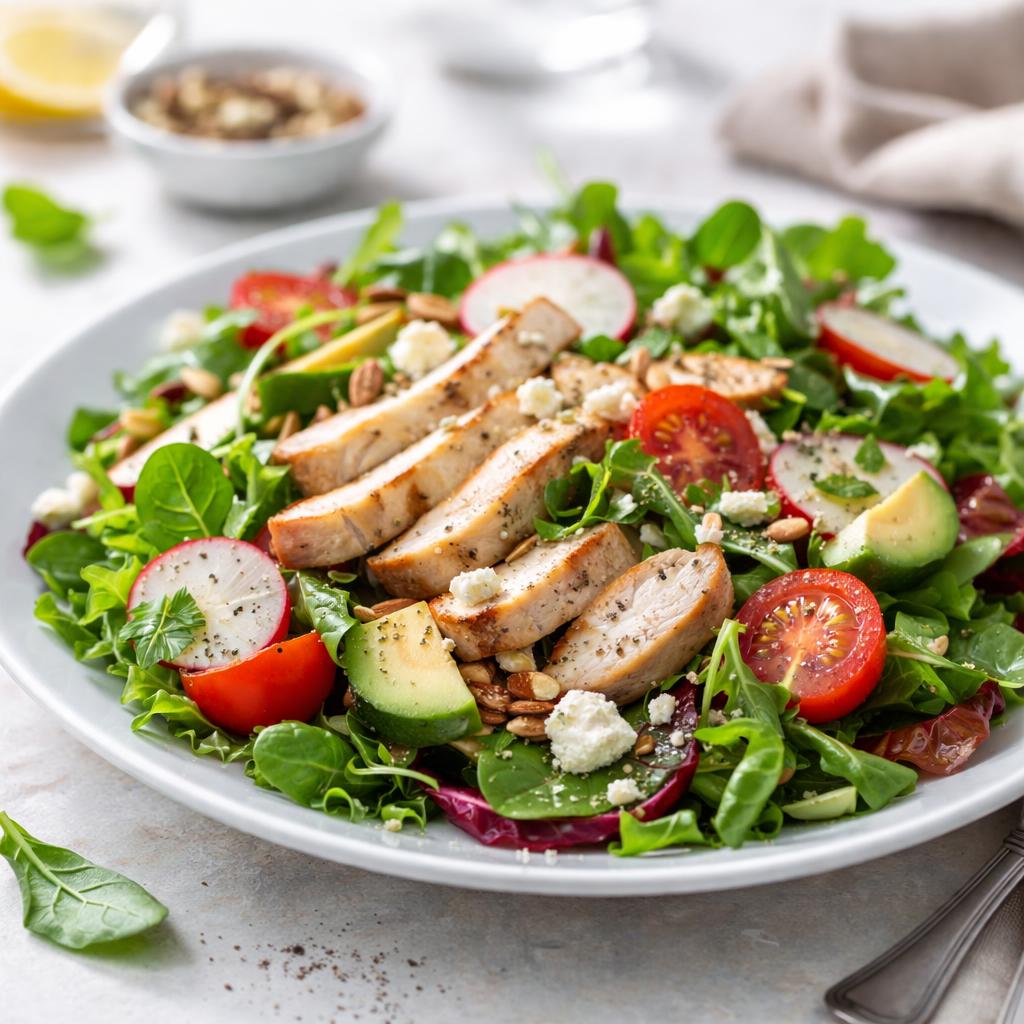
Salad
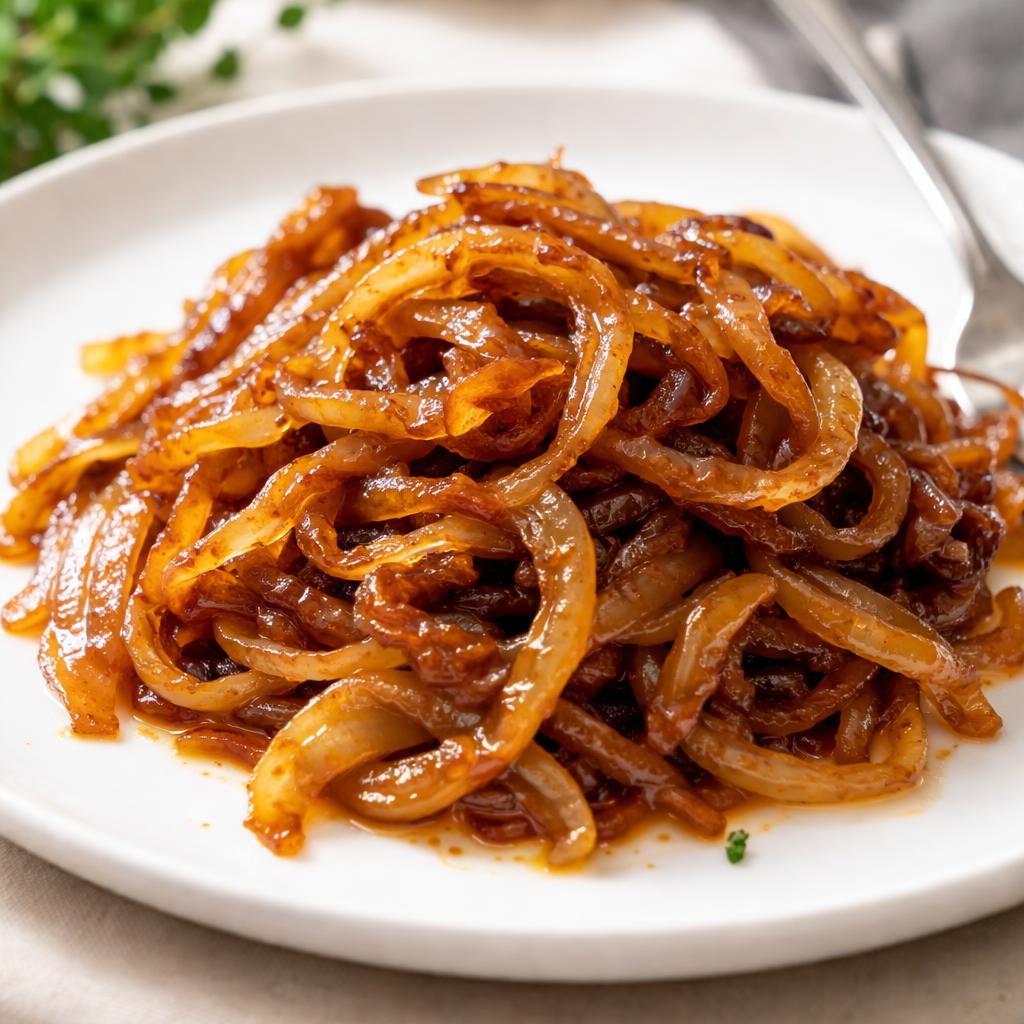
Caramelized Onions
🎯 Quick Verdict
Salad generally outperforms caramelized onions nutritionally, offering fewer calories, more protein, and higher fiber content per serving. While salad is ideal for weight management and nutrient density, caramelized onions provide richer flavor and antioxidants, making them a great addition to cooked dishes but not as nutrient-dense as salad on their own.

Smart Nutrition Tracking with SnapCalorie

📊 Nutritional Comparison
Macronutrients
| Nutrient | Food 1 | Food 2 | Winner |
|---|---|---|---|
| Calories | 30 | 120 | ✓ |
| Protein | 2g | 1g | ✓ |
| Carbs | 6g | 28g | ✓ |
| Fat | 0.2g | 10g | ✓ |
| Fiber | 2g | 1g | ✓ |
Vitamins & Minerals
| Nutrient | Food 1 | Food 2 | Winner |
|---|---|---|---|
| Vitamin A | 1200IU | 30IU | ✓ |
| Vitamin C | 15mg | 6mg | ✓ |
| Vitamin K | 90mcg | 0.2mcg | ✓ |
| Potassium | 270mg | 150mg | ✓ |
🏆 Category Winners
Protein
Salad contains twice the protein per serving compared to caramelized onions.
Fiber
Salad offers 100% more fiber, aiding digestion and satiety.
Calories
Salad is much lower in calories, making it ideal for weight management.
Vitamins
Salad provides significantly higher amounts of vitamins A, C, and K, along with potassium.
🥗 Diet Compatibility
Keto
Food 1: Compatible
Food 2: Compatible
Both are low enough in carbs to fit a keto diet in moderate portions.
Vegan
Food 1: Compatible
Food 2: Compatible
Both foods are plant-based and suitable for vegan diets.
Gluten Free
Food 1: Compatible
Food 2: Compatible
Neither food contains gluten.
Paleo
Food 1: Compatible
Food 2: Compatible
Both align with paleo principles, focusing on whole plant-based foods.
Low-Carb
Food 1: Compatible
Food 2: Not Compatible
Salad is low-carb (6g per serving), while caramelized onions are high-carb (28g per serving).
💪 Health Benefits Comparison
Food 1 Benefits
- Low in calories, supporting weight management.
- Rich in fiber, aiding digestion and promoting satiety.
- Loaded with vitamins A, C, and K for immune support and bone health.
- Good source of potassium for balanced electrolytes.
Food 2 Benefits
- Contains natural antioxidants like quercetin, which support heart health.
- Provides a rich source of caramelized sugars for quick energy.
- Adds flavor depth to dishes, making it a versatile cooking ingredient.
- Includes moderate potassium for electrolyte balance.
✅ The Bottom Line
Choose salad for nutrient density, weight management, and a healthy side or main dish. Caramelized onions are better used as a flavorful topping or ingredient, offering taste but less nutritional value overall.
Choose Food 1 for: Weight loss, nutrient-rich meals, digestion support
Choose Food 2 for: Enhancing flavor in recipes, energy boost, heart health


