Salad VS Capers
A detailed nutritional comparison
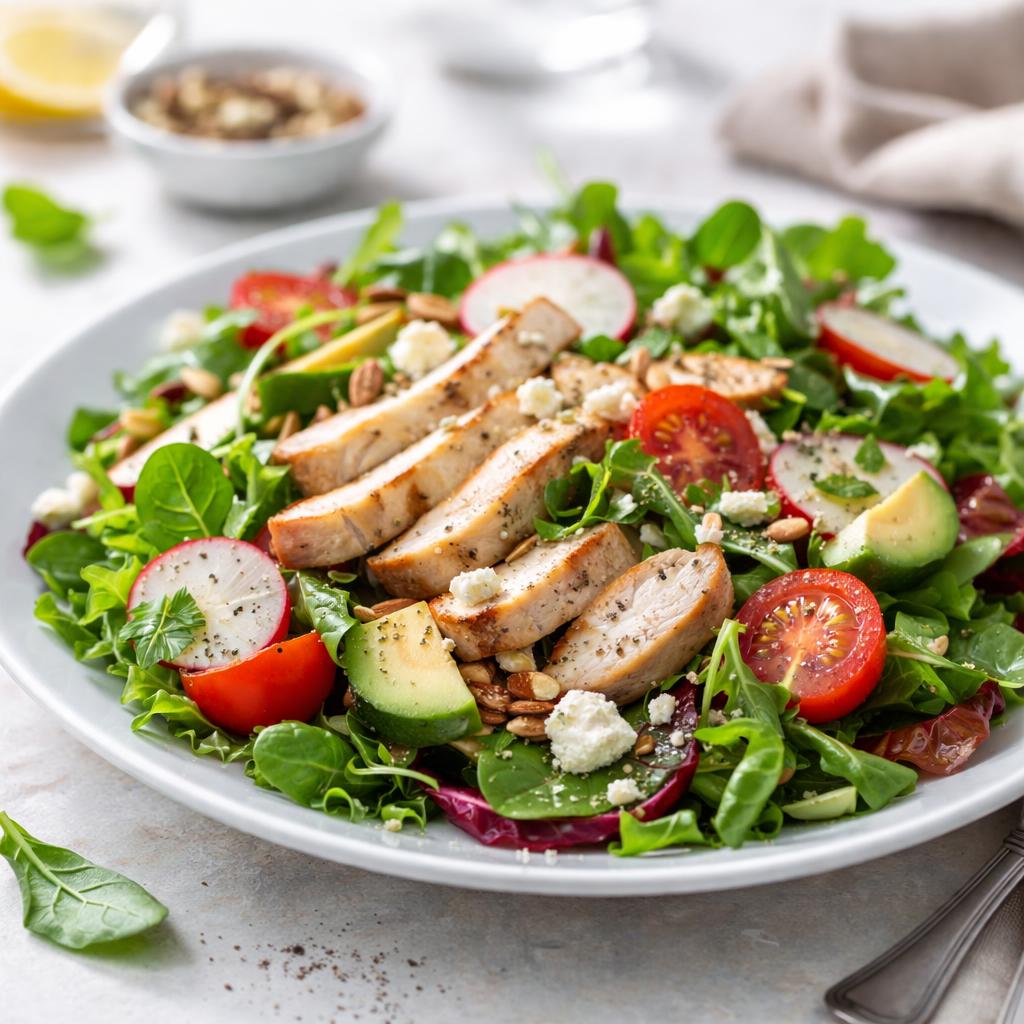
Salad
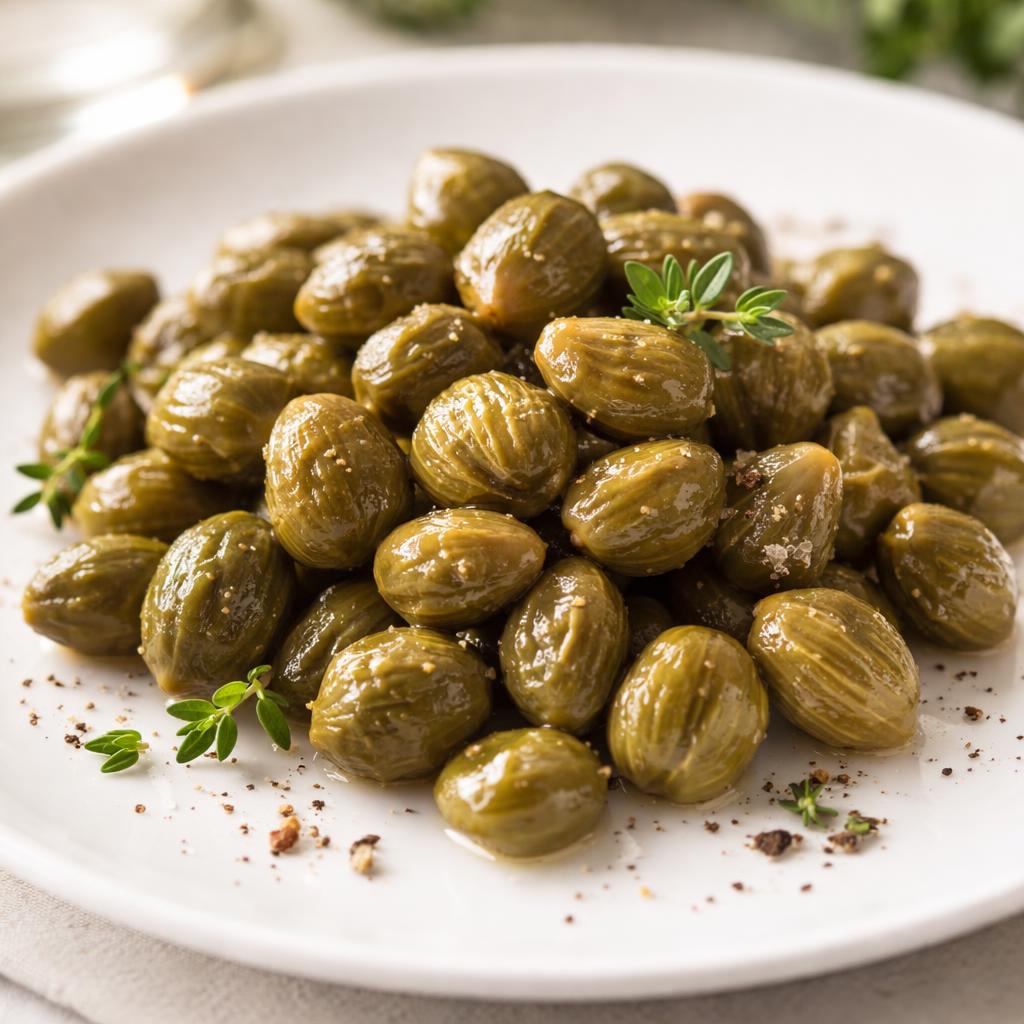
Capers
🎯 Quick Verdict
Salad is a lower-calorie, fiber-rich food suitable for weight management and digestive health, while capers have a higher sodium content and are packed with antioxidants. Salad works better as a primary meal component, whereas capers shine as a flavorful garnish with additional nutritional benefits from minerals and phytochemicals.

Smart Nutrition Tracking with SnapCalorie

📊 Nutritional Comparison
Macronutrients
| Nutrient | Food 1 | Food 2 | Winner |
|---|---|---|---|
| Calories | 50 | 23 | ✓ |
| Protein | 1g | 1g | − |
| Carbs | 10g | 4.9g | ✓ |
| Fat | 0.3g | 0.5g | ✓ |
| Fiber | 2g | 0.2g | ✓ |
Vitamins & Minerals
| Nutrient | Food 1 | Food 2 | Winner |
|---|---|---|---|
| Vitamin C | 9mg | 4mg | ✓ |
| Vitamin K | 70mcg | 24mcg | ✓ |
| Vitamin A | 280mcg | 0mcg | ✓ |
🏆 Category Winners
Protein
Both provide 1g protein per serving, which is minimal.
Fiber
Salad contains 2g fiber compared to 0.2g in capers.
Calories
Capers have fewer calories per serving (23 vs 50 calories).
Vitamins
Salad offers significantly more Vitamin C, Vitamin K, and Vitamin A.
🥗 Diet Compatibility
Keto
Food 1: Compatible
Food 2: Compatible
Both are low-carb food options.
Vegan
Food 1: Compatible
Food 2: Compatible
Both are plant-based and suitable for vegans.
Gluten Free
Food 1: Compatible
Food 2: Compatible
Neither contains gluten.
Paleo
Food 1: Compatible
Food 2: Compatible
Both align with paleo dietary principles.
Low-Carb
Food 1: Compatible
Food 2: Compatible
Both are within low-carb diet limits, though salad has more carbs overall.
💪 Health Benefits Comparison
Food 1 Benefits
- High fiber content for improved digestion
- Rich in Vitamin C for immune health
- Provides Vitamin K for bone health and circulation
- Low calorie, making it ideal for weight loss
Food 2 Benefits
- Rich in sodium for electrolyte balance (in moderation)
- Contains antioxidants for reducing oxidative stress
- Good source of Iron, supporting oxygen transport and energy
- Low calorie, suitable for weight management diets
✅ The Bottom Line
Salad is the better choice for general health, weight loss, and fiber intake, especially when used as a meal base. Capers, on the other hand, are ideal as a flavorful garnish or condiment if you’re seeking antioxidants and minerals in small portions.
Choose Food 1 for: Weight loss, fiber-rich meals, improving nutrient intake in daily diet
Choose Food 2 for: Enhancing flavors, adding antioxidants, supporting iron intake


