Salad VS Bread Rolls
A detailed nutritional comparison
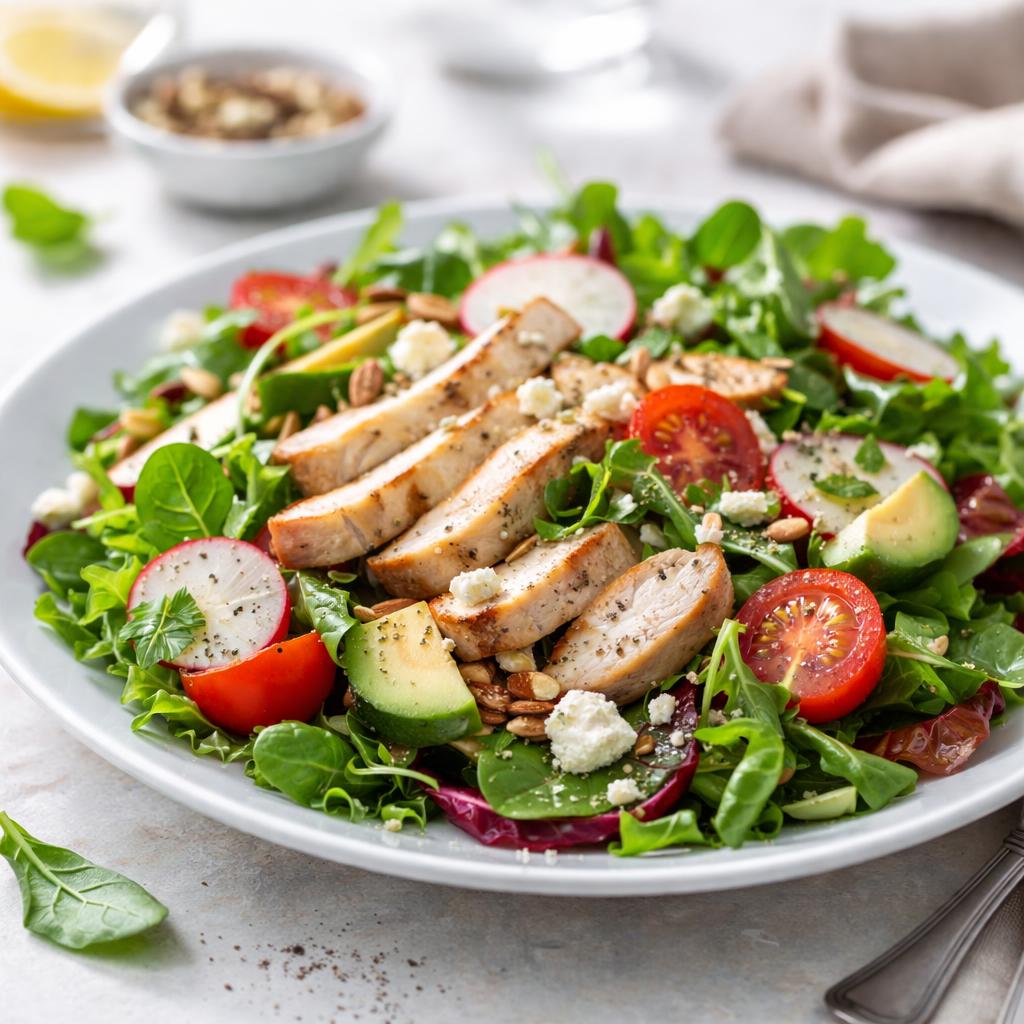
Salad
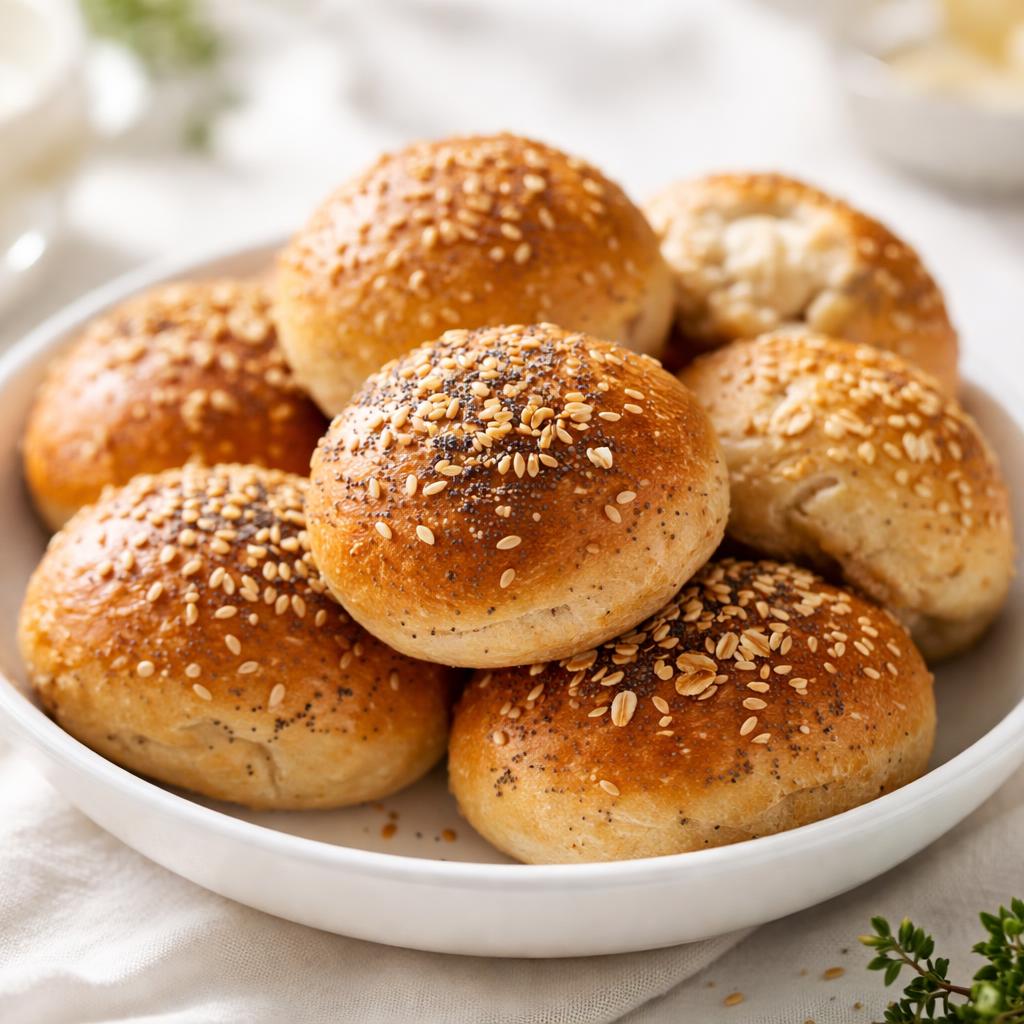
Bread Rolls
🎯 Quick Verdict
Salad is nutrient-rich with fewer calories, more protein, and higher fiber content compared to bread rolls. Bread rolls offer a higher calorie count and are better as a quick energy source. Choose salad for lighter meals and better overall nutrition, and bread rolls for energy-dense snacks or meals requiring more carbohydrates.

Smart Nutrition Tracking with SnapCalorie

📊 Nutritional Comparison
Macronutrients
| Nutrient | Food 1 | Food 2 | Winner |
|---|---|---|---|
| Calories | 120 | 250 | ✓ |
| Protein | 5g | 4g | ✓ |
| Carbs | 10g | 48g | ✓ |
| Fat | 5g | 2g | ✓ |
| Fiber | 4g | 1g | ✓ |
Vitamins & Minerals
| Nutrient | Food 1 | Food 2 | Winner |
|---|---|---|---|
| Vitamin A | 1500IU | 0IU | ✓ |
| Vitamin C | 20mg | 0mg | ✓ |
| Iron | 1mg | 1mg | − |
🏆 Category Winners
Protein
Salad has 25% more protein than bread rolls on average.
Fiber
Salad has 4 times more fiber, supporting better digestion.
Calories
Salad has less than half the calories of bread rolls.
Vitamins
Salad contains significantly higher levels of Vitamin A and Vitamin C.
🥗 Diet Compatibility
Keto
Food 1: Compatible
Food 2: Not Compatible
Salad is low-carb, bread rolls are high in carbohydrates.
Vegan
Food 1: Compatible
Food 2: Compatible
Both foods are plant-based.
Gluten Free
Food 1: Compatible
Food 2: Not Compatible
Bread rolls contain gluten; salad does not.
Paleo
Food 1: Compatible
Food 2: Not Compatible
Bread rolls typically contain refined grains, which are not paleo-friendly.
Low Carb
Food 1: Compatible
Food 2: Not Compatible
Salad has lower carbs (10g) compared to bread rolls (48g).
💪 Health Benefits Comparison
Food 1 Benefits
- Rich in fiber to support digestive health
- Low-calorie option for weight control
- Provides Vitamin C, boosting immunity
- Contains antioxidants for overall health
Food 2 Benefits
- Energy-dense and ideal for quick energy needs
- Contains a moderate amount of protein
- Provides carbohydrates for sustained energy
✅ The Bottom Line
Salad is the healthier choice, offering more nutrients, lower calories, higher fiber, and protein content. It is suited for weight management, dieting, and fulfilling micronutrient needs. Bread rolls are better for quick energy, higher-carb diets, or when aiming for sustained energy during physical activity.
Choose Food 1 for: Weight loss, low-carb diets, nutrient-dense meals
Choose Food 2 for: Energy boost, carb-loading, pairing with soups or spreads


