Salad VS Bread Roll
A detailed nutritional comparison
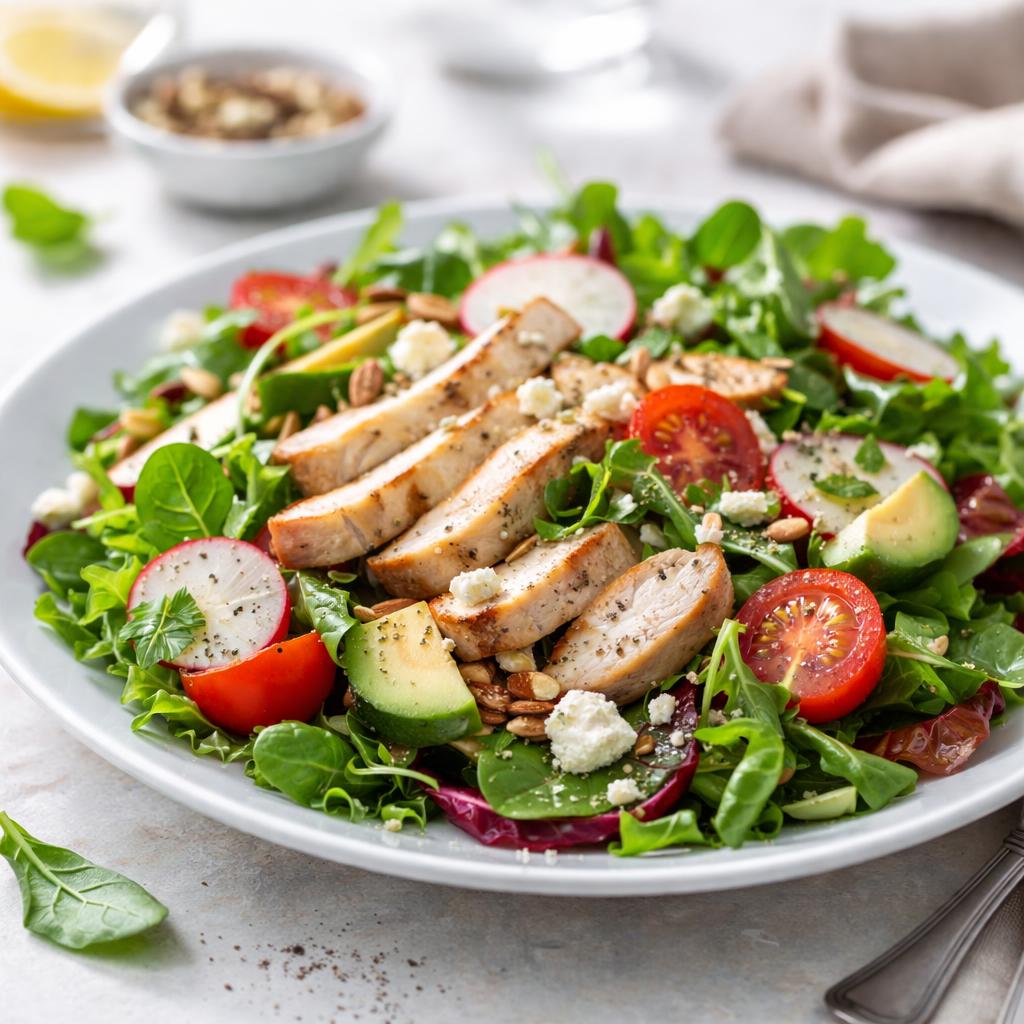
Salad
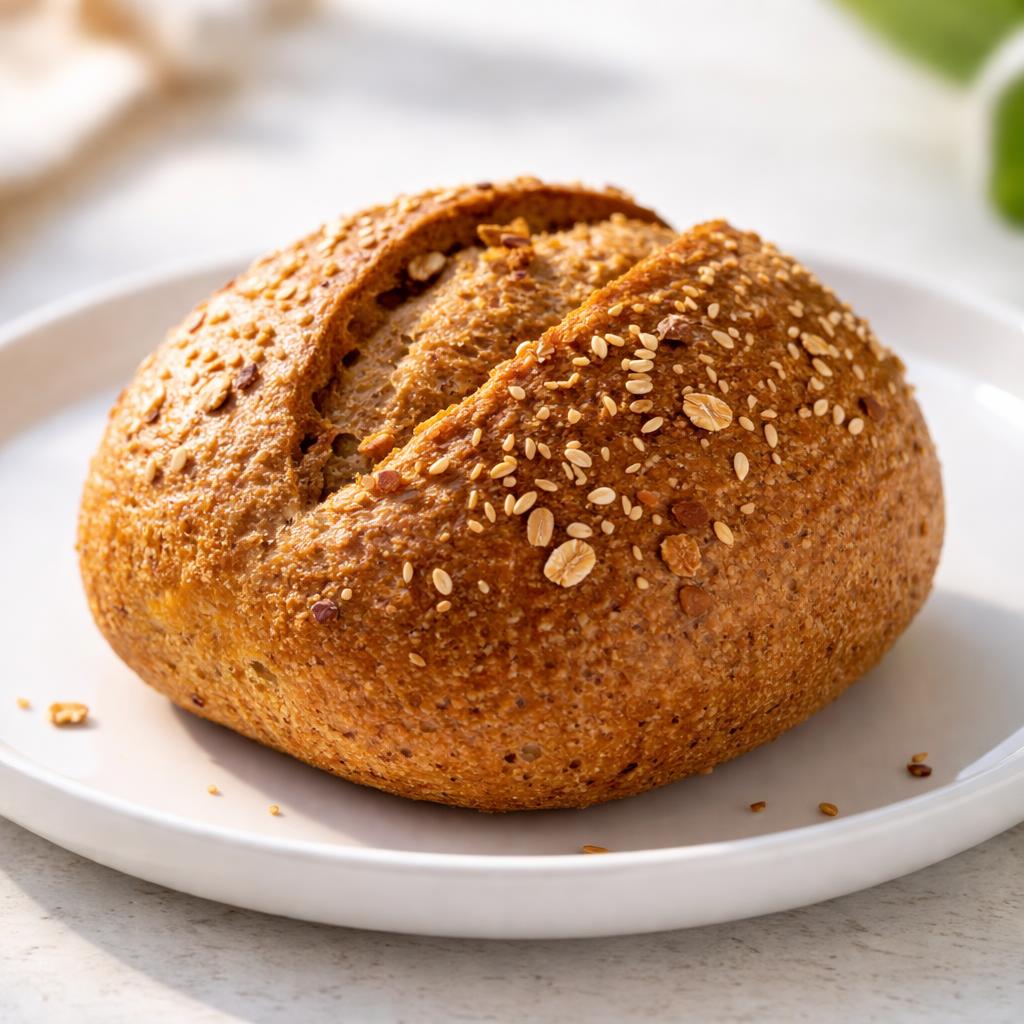
Bread Roll
🎯 Quick Verdict
Salad is lower in calories, rich in fiber, and packed with vitamins but offers less protein, making it ideal for weight loss and nutrient-dense diets. Bread roll, on the other hand, is higher in calories and protein, providing energy and acting as a good carbohydrate source for active lifestyles or pre-workout meals.

Smart Nutrition Tracking with SnapCalorie

📊 Nutritional Comparison
Macronutrients
| Nutrient | Food 1 | Food 2 | Winner |
|---|---|---|---|
| Calories | 120 | 220 | ✓ |
| Protein | 3g | 6g | ✓ |
| Carbs | 10g | 40g | ✓ |
| Fat | 6g | 3g | ✓ |
| Fiber | 4g | 2g | ✓ |
Vitamins & Minerals
| Nutrient | Food 1 | Food 2 | Winner |
|---|---|---|---|
| Vitamin A | 2500IU | 0IU | ✓ |
| Vitamin C | 35mg | 0mg | ✓ |
| Calcium | 50mg | 25mg | ✓ |
| Iron | 1mg | 2mg | ✓ |
🏆 Category Winners
Protein
Bread roll contains 100% more protein per serving.
Fiber
Salad has twice the fiber content of bread roll.
Calories
Salad has nearly half the calories compared to bread roll.
Vitamins
Salad is richer in vitamins like A and C, essential for immune and eye health.
🥗 Diet Compatibility
Keto
Food 1: Mostly Compatible
Food 2: Not Compatible
Salad is low-carb, but bread roll is high in carbs.
Vegan
Food 1: Compatible
Food 2: Compatible
Both are plant-based options.
Gluten Free
Food 1: Compatible
Food 2: Not Compatible
Bread roll contains gluten, while salad is gluten-free.
Paleo
Food 1: Compatible
Food 2: Not Compatible
Salad aligns with paleo guidelines; bread roll does not due to grains.
Low-Carb
Food 1: Compatible
Food 2: Not Compatible
Salad is low-carb (10g), while bread roll has 40g carbs per serving.
💪 Health Benefits Comparison
Food 1 Benefits
- High in fiber for digestive health
- Rich in vitamins A and C for skin and immunity
- Low in calories, supporting weight loss
Food 2 Benefits
- Provides sustained energy from complex carbohydrates
- Contains iron for improved oxygen transport
- Moderate protein content for muscle maintenance
✅ The Bottom Line
Choose salad for weight loss, nutrient density, and compatibility with diets like keto and paleo. Bread roll is better suited for higher-energy needs, pre- or post-workout, or individuals needing quick, filling carbs.
Choose Food 1 for: Weight loss, low-carb and paleo diets, vitamin-dense meals
Choose Food 2 for: Active lifestyles, energy boost, quick carb refuel


